
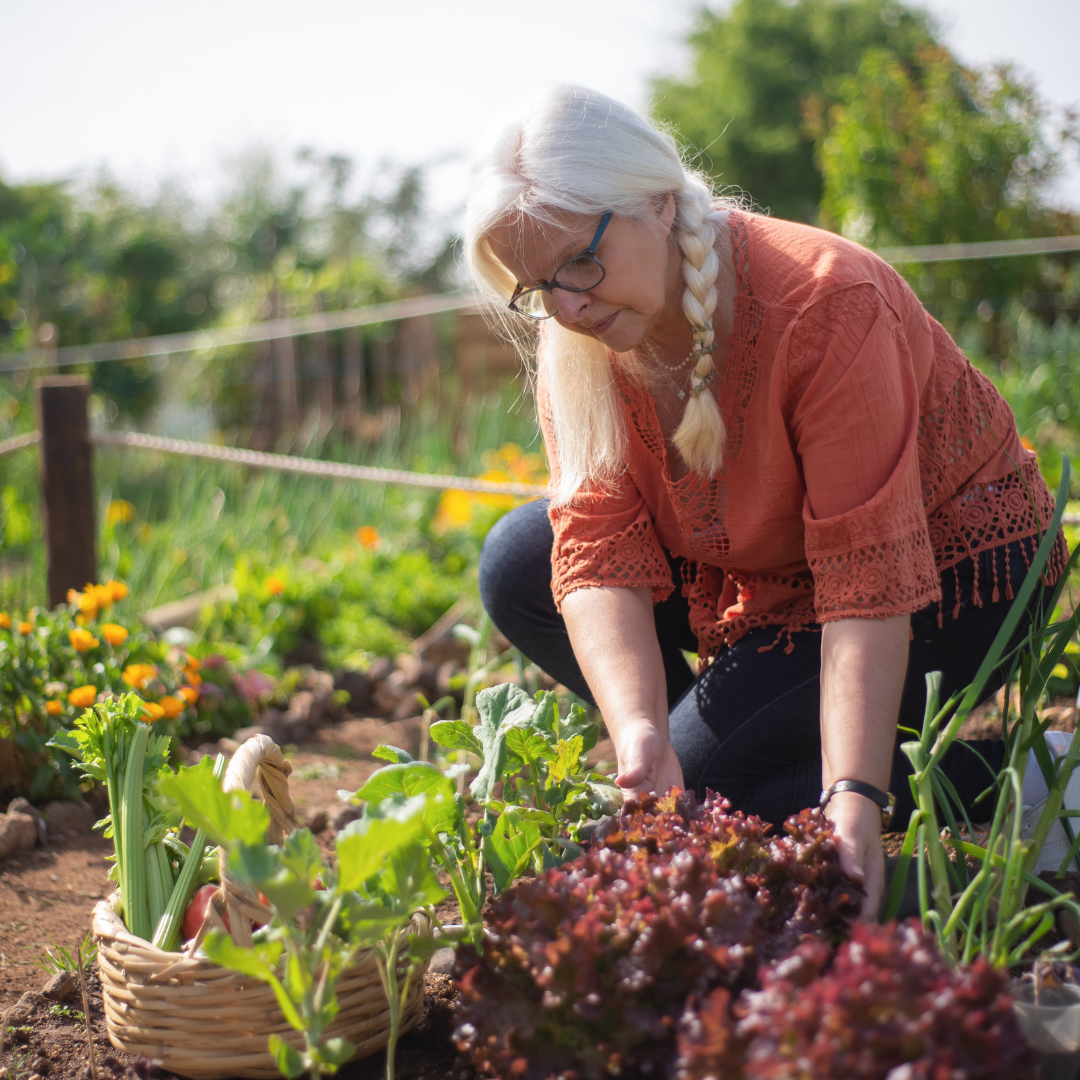
Starting a vegetable garden in a backyard is a rewarding endeavor that combines practicality with enjoyment. Growing your own vegetables not only enhances the taste and quality of your meals but also brings a sense of satisfaction and can save money on grocery bills. It allows individuals to have fresh produce at their fingertips while engaging with nature and learning about sustainable practices.
To begin, one must choose the right location and assess the sunlight and soil quality in the backyard. Selecting the appropriate vegetables, considering seasonal factors, will ensure a fruitful harvest. With careful planning and a little effort, anyone can create a thriving vegetable garden that provides delicious and nutritious food.
As this journey unfolds, individuals often find joy in nurturing plants from seed to harvest, gaining insights into the gardening process along the way. The benefits of homegrown produce go beyond financial savings to include the flavors and nutritional value that store-bought options often lack. Engaging in vegetable gardening transforms any backyard into a productive and rewarding space.
Planning Your Backyard Vegetable Garden
Effective planning is crucial for a successful vegetable garden. Factors such as location, size, and vegetable selection significantly impact growth and harvest. This section outlines essential considerations to ensure a productive gardening experience.
Choosing the Best Location
Selecting the right location is foundational for a vegetable garden. The ideal spot receives full sun for at least six to eight hours daily. Areas with partial shade can still support certain vegetables, but may yield lower results.
It’s helpful to observe sunlight patterns throughout the day. Evaluating potential spots in early spring will provide insights into how light affects those areas. Additionally, planting near the house or patio can make maintenance easier and provide access to water sources.
Avoid areas with heavy tree roots or proximity to structures that cast shadows. Factors like wind protection can also influence growth. The right location simplifies gardening tasks and maximises the harvest.
Also, large trees near a garden site often create issues with shade and root competition. These roots can take water and nutrients away from smaller vegetable plants.
It is helpful to have a professional Tree Service look at the area before digging. They can check if any branches need thinning to let more light reach the ground. This step helps keep the trees healthy while the new garden grows. Proper care for the big plants in the yard makes the whole space better.
Determining Garden Size and Space
Garden size primarily depends on available backyard space and personal goals. For beginners, starting with a small vegetable garden allows for manageable maintenance. A plot measuring 10×10 feet can yield a variety of crops without overwhelming a novice gardener.
Thoughtful planning includes establishing paths for easy access. Paths can also help with weeding and harvesting. Consider whether the garden will be in a dedicated plot or integrated into an existing landscape. In some cases, preparing the space may involve trimming or removing overgrown trees and branches, which is why homeowners might consult with professional Tree Surgeons to help clear and maintain the surrounding area before starting their garden project.
Gardening vertically can save space. Using containers or trellises allows gardeners with limited area, such as on a patio or balcony, to cultivate vegetables. Establishing a plan that respects available space leads to a more enjoyable gardening experience.
Selecting What Vegetables to Grow
Choosing the right vegetables directly influences satisfaction and harvest success. Preferences, local climate, and the growing season are vital factors. Beginners should consider starting with easy-to-grow varieties like lettuce, radishes, and carrots.
Researching seasonal options local to a specific region supports better planning. Incorporating a mix of fast-growing and slower-maturing vegetables can create a continuous harvest.
Incorporating familiar produce can reduce trips to the grocery store, catering to personal tastes. Keeping an eye on health needs or dietary restrictions might also guide vegetable choices. Prioritizing enjoyable crops leads to a more fulfilling gardening experience.
Preparing the Garden Site
Preparing the garden site is crucial for successful vegetable growth. Proper soil testing and design choices directly impact plant health and yield. This section covers essential steps for readying the garden area.
Testing and Amending the Soil
Soil testing is the first step in preparing the garden site. A soil test reveals pH levels and nutrient content. Kits are available at garden centers or through local extension services.
Once the soil analysis is complete, amendments can be added. For clay-heavy soils, adding organic matter like compost or well-rotted manure improves drainage and nutrient availability. If the soil is sandy, adding organic matter enhances water retention.
Aim for rich, loamy soil with a pH between 6.0 and 7.0 for most vegetables.
Designing Beds and Paths
Garden bed design should consider space and plant needs. Raised beds elevate planting areas, offering improved drainage and accessibility. They also warm up faster in spring.
Paths between beds should be at least 18 inches wide to allow for easy movement. This design prevents soil compaction that can hinder growth. Consider using mulch or gravel for paths to minimize weeds.
Strategic placement of beds allows for adequate sunlight exposure. Ensure that tall plants do not shade shorter ones. Having the right tuingereedschap (which translates to gardening tools) on hand, such as shovels, rakes, and hoes, makes constructing and maintaining these beds and paths much easier.
Building Raised Beds or In-Ground Gardens
Building raised beds offers many advantages. They can be constructed from wood, bricks, or stone. Ideal dimensions are 4 feet wide, which allows easy access to the center without stepping on the soil.
For in-ground gardens, clear the area of lawn and weeds. Loosen soil to a depth of at least 12 inches. Incorporate organic matter to enrich the soil.
Install a fence around the garden to protect it from pests. A height of at least 3 feet deters most small animals. Plan for water access, as consistent moisture is vital for vegetable health.
Planting and Growing Your Vegetables
Successful vegetable gardening involves careful planning and execution. Key aspects include starting seeds or using transplants, understanding timing for planting, and knowing how to care for young plants.
Starting Seeds and Transplants
He or she can begin their garden by choosing seeds or transplants based on personal preference and growing conditions. Seed packets provide essential information, including days to maturity, which helps in planning.
Starting seeds indoors can give vegetables a head start, while transplants offer convenience. For seeds, fill seed trays or small containers with seed-starting mix, plant the seeds at the recommended depth, and keep the soil moist. For transplants, ensure they have been hardened off gradually before planting them outside.
Planting Schedule and Timing
Timing is critical for planting vegetables. Knowing the last frost date is essential for most plants. Cool-season crops, like oregano and thyme, are best planted early in spring or late summer. Warm-season vegetables, including tomatoes and peppers, should be planted after the last frost.
Staggered plantings can extend the harvest period. For instance, growing short rows of leafy greens every two weeks will ensure continuous crops. Consider using a calendar or chart to track planting times based on seed packets.
Caring for Seedlings and Young Plants
Proper care for seedlings and young plants is vital for their growth. They need consistent watering but should avoid overwatering to prevent root rot. A watering can with a fine spout allows gentle watering, crucial for delicate plants.
Fertilization may be necessary once seedlings are established. Using a balanced fertilizer can promote healthy growth. Additionally, mulching around plants helps retain moisture and suppress weeds, ensuring that nutrients go to the vegetables.
Arranging Plants for Optimal Growth
The arrangement of plants plays a significant role in their growth efficiency. He or she should consider companion planting, as some herbs like rosemary can ward off pests when planted near vegetables.
Adequate spacing is necessary to allow air circulation and sunlight penetration. Taller plants should be positioned behind shorter ones to maximize light exposure. Container gardening allows for flexibility in arrangements and is ideal for small spaces. Use pots that provide ample drainage to promote healthy root systems.
Maintaining and Harvesting Your Vegetable Garden
Proper maintenance and timely harvesting are crucial for maximizing yields and ensuring the health of a vegetable garden. This section outlines the key practices involved in maintaining the garden and harvesting produce effectively.
Watering and Mulching Techniques
Watering should be consistent and tailored to the needs of the plants. Using a hose or watering can allows for targeted watering, ensuring moisture reaches the roots. It’s recommended to water early in the morning or late afternoon to minimize evaporation.
Mulching plays a vital role in moisture retention, temperature regulation, and weed suppression. Organic mulch options like straw, wood chips, or shredded leaves can be spread around plants. A layer of 2 to 3 inches is ideal. This practice not only conserves water but also enriches the soil as it decomposes.
Fertilizing and Weeding
Fertilizer provides essential nutrients for plant growth. Compost or organic fertilizers should be used to improve soil quality. Applying fertilizer during the growing season, particularly during key growth stages, promotes healthy development.
Weeds can compete for nutrients and water. Regular weeding should be done by hand or with tools, removing weeds before they flower and seed. Crop rotation and companion planting can help manage weed populations while enhancing soil health. Setting aside specific times each week for weeding is beneficial.
Pest, Disease, and Wildlife Management
Monitoring for pests and diseases is essential for maintaining plant health. Bugs like aphids and caterpillars can harm plants. Integrated Pest Management (IPM) strategies, including introducing natural predators or using row covers, can be effective.
Diseases can arise due to poor air circulation or wet foliage. It’s important to space plants correctly and water at the base to prevent moisture on leaves. For wildlife like deer, physical barriers and repellents can help. In addition to garden pests, it might be important to manage common household nuisances, as rodents can seek refuge near garden areas or compost piles before entering homes. Effective measures for mice control can be essential for protecting not only stored goods but also preventing disease transmission and damage to property structures. Recognizing early signs of trouble can prevent larger issues later.
Harvesting and Enjoying Your Produce
Harvesting should be done at the right time for peak flavor and quality. Vegetables are typically best when young and tender. Using stakes can help support heavier crops until harvest time, protecting them from frost and damage.
The satisfaction of harvesting produce can be significant. Picking vegetables prompts further growth for some plants and encourages a healthy harvest cycle. Proper storage methods afterward, like cooling or canning, will extend the enjoyment of homegrown vegetables.




Leave a Reply