
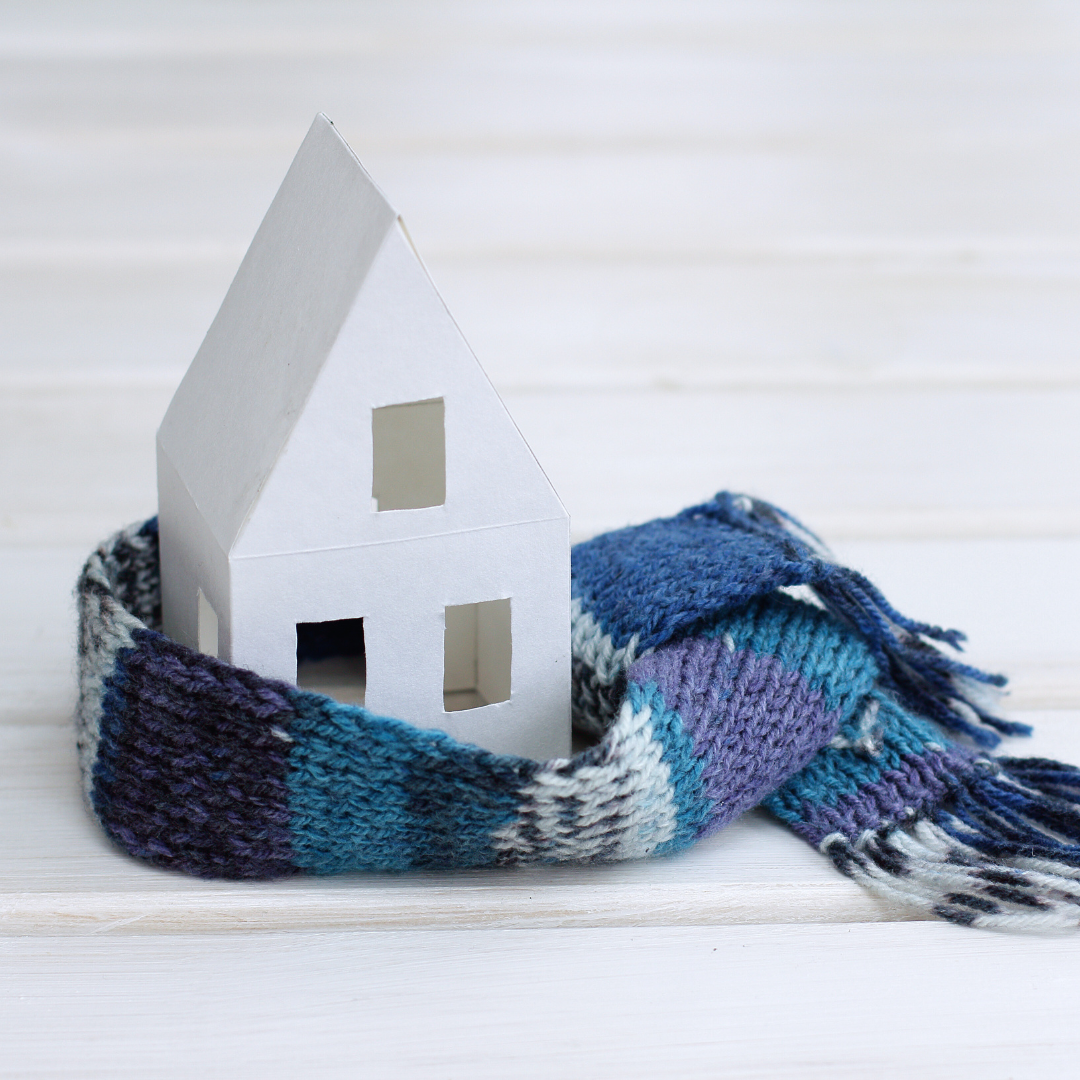
Preparing a home for winter is essential for maintaining both comfort and safety. Homeowners should prioritise a systematic approach to winter home maintenance to avoid costly repairs. A comprehensive winter maintenance checklist can guide homeowners through critical tasks that ensure their property withstands the cold months ahead.
From inspecting heating systems to sealing drafts, each step plays a vital role in preserving the home’s integrity. Many overlook simple tasks, like cleaning gutters or checking insulation, which can lead to bigger issues down the line. Addressing these points will not only enhance energy efficiency but also safeguard against damage caused by winter weather.
As temperatures drop, homeowners can feel confident knowing they took proactive measures. This blog post will outline essential maintenance tasks that every homeowner should consider, making winter a more manageable season. By following this checklist, they can ensure their homes remain warm and inviting all winter long.
Essential Exterior Winter Home Maintenance Tasks
Homeowners must prioritise exterior maintenance tasks to protect their property during winter. Addressing gutters, siding, and driveways is essential for preventing issues such as ice dams and leaks. Here’s a detailed look at these critical tasks.
Cleaning and Inspecting Gutters
Gutters play a crucial role in directing water away from the home. When leaves and debris accumulate, they can block water flow, leading to ice dams that cause roof leaks or structural damage. Homeowners should clean gutters thoroughly, removing all debris.
An inspection is key to identifying cracks or loose fittings. Any damaged sections should be repaired or replaced promptly. It’s beneficial to ensure that downspouts direct water at least three feet away from the foundation. This helps prevent water accumulation around the home, reducing the risk of leaks.
Examining and Servicing the Chimney
Chimneys should be checked before the winter season to ensure they are safe and functional. Homeowners should look for cracks, loose bricks, or damaged mortar that could worsen with cold weather. Cleaning the chimney to remove soot, creosote, or debris is essential to prevent chimney fires and ensure proper ventilation.
If the chimney has a cap or screen, make sure it is intact to keep out animals, leaves, and other blockages. Arranging a professional inspection or cleaning with a trusted service, such as Priddy Chimney Solutions, can provide peace of mind and help the wood-burning fireplace operate safely and efficiently throughout the winter months.
Inspecting and Repairing Siding and Caulking
Siding protects the home’s exterior, and it requires an inspection before winter. Homeowners should check for cracks, warping, or other signs of wear. Damaged siding can allow cold air inside and invite moisture, potentially leading to insulation problems.
Additionally, caulking around windows and doors is vital to keep drafts at bay. Inspect existing caulking for cracks or peeling and replace it as needed. Maintaining a tight seal helps maintain indoor temperatures and reduces heating costs during the winter months.
Preparing the Driveway and Walkways
Driveways and walkways must be winter-ready to ensure safety and accessibility. First, homeowners should fill any cracks with appropriate sealant to prevent further damage from freezing water. It’s important to check for loose stones or uneven patches that could pose trip hazards.
Applying a high-quality sealant can help protect asphalt driveways from snow and ice. Walkways should be cleared of debris and treated with de-icer as needed to enhance traction. Proper preparation minimizes the risk of injury and damage during winter weather.
Interior Winter Preparation and Safety Measures
As winter approaches, preparing a home for the cold isn’t just about comfort, it’s about feeling safe and ready for anything. Sealing drafts, checking heating systems, testing smoke and carbon monoxide detectors, and inspecting the foundation are simple steps that can make a big difference. It also helps to keep an emergency stock of propane on hand, so warmth isn’t lost if something unexpected happens. For extra peace of mind, consider partnering with companies like RedTriangleOil.com and similar others to ensure fuel can be delivered quickly during emergencies, keeping the house cozy and everyone comfortable no matter what the winter throws their way.
Sealing Drafts and Improving Insulation
Drafts can significantly impact heating costs and comfort levels. Identifying and sealing gaps around windows, doors, and other areas can minimize heat loss. Homeowners should consider using weather stripping, caulking, or door sweeps.
Improving insulation is also essential. Attic and wall insulation should be evaluated to ensure they meet local building codes. Using materials with a high R-value can enhance energy efficiency. Properly insulated spaces help maintain warmth and reduce reliance on heating systems.
Heating System and HVAC Inspection
A thorough inspection of the heating system and HVAC components is vital for efficient operation. Homeowners should schedule service checks to clean ducts, replace filters, and address any mechanical issues. This proactive approach ensures optimal performance and extends the life of the system. For residents seeking dependable and rapid response for all their heating and air conditioning needs, a trusted local provider like AZ Casa Repair can offer peace of mind and prevent costly emergencies.
Beyond routine filter changes, professional HVAC technicians possess the expertise to diagnose complex issues that might not be immediately apparent, preventing minor problems from escalating into major breakdowns. They can also advise on energy-efficient upgrades, ensuring your system runs optimally and reduces utility costs. Regular, comprehensive maintenance not only extends the lifespan of your heating and cooling units but also ensures they operate safely and reliably throughout the colder months.
Coordinating seasonal tune-ups with dependable fuel delivery further minimizes the risk of midwinter outages. Providers that pair heating services with automatic oil replenishment make it easier to schedule visits around delivery times, ensuring systems remain well-supplied and efficient. For residents looking for reliable delivery, installations, and 24-hour emergency support, integrated plans from companies such as ReggiesOil.com can simplify winter preparation. Working with a single local contractor streamlines the process and ensures quicker responses when problems arise.
Smoke and Carbon Monoxide Detector Testing
Testing smoke and carbon monoxide detectors is crucial for home safety. Homeowners should ensure that detectors are installed on every level of the home, especially near sleeping areas. Regularly testing these devices by pressing the test button can confirm that they are functioning properly.
Replacing batteries at the start of each winter ensures continuous protection. Additionally, detectors should be replaced every 10 years to maintain effectiveness. A reliable detection system is essential for alerting residents to potential hazards.
Foundation and Basement Checks
Checking the foundation and basement for potential winter issues is important for structural integrity. Homeowners should inspect for cracks, water damage, or signs of mold. Ensuring proper drainage around the foundation can prevent water intrusion.
Additionally, examining the sump pump is critical. It should be tested to ensure it operates correctly during winter storms. Regular upkeep of foundation areas helps prevent more significant issues arising from moisture or structural stress as colder weather sets in.
Plumbing and Electrical Protection for Winter
Homeowners should take proactive steps to protect plumbing and electrical systems during winter. Addressing issues like frozen pipes and checking electrical safety can prevent costly repairs and improve home safety.
Preventing Pipes From Freezing
Frozen pipes can lead to severe leaks and extensive water damage. Homeowners should take measures to prevent this issue.
- Insulate Pipes: Use pipe insulation or wrapping for vulnerable areas, such as unheated basements and crawl spaces.
- Keep Heating On: During cold spells, maintaining a consistent temperature in the home can prevent freezing.
- Let Faucets Drip: Allowing water to drip from faucets can relieve pressure in the pipes, reducing the risk of freezing.
- Seal Gaps: Closing any gaps around windows and doors where cold air enters minimizes the risk to indoor plumbing.
Regular checks for leaks are essential. If freezing occurs, prompt action, like thawing pipes with a hairdryer, should be taken to prevent breakage.
Checking GFCI Outlets and Electrical Safety
GFCI outlets are critical for preventing electrical shock in moisture-prone areas like kitchens and bathrooms.
- Test GFCI Outlets: Use the “test” and “reset” buttons on GFCI outlets monthly to ensure they function properly.
- Inspect Outdoor Outlets: Ensure that any outdoor outlets are weatherproof and adequately protected from harsh winter elements.
- Check Wiring: Inspect for frayed or exposed wires, especially in outdoor lighting and decorations.
- Use Power Strips Wisely: Overloading circuits with space heaters or seasonal lights can cause fire hazards.
Ensuring these precautions are taken will help maintain electrical safety throughout the winter months.
Long-Term Planning and Winter Renovation Tips
Effective winter planning can enhance a home’s longevity and improve its market value. Homeowners can implement maintenance checklists and strategic renovations to ensure their properties remain in top condition throughout the season.
Home Maintenance Checklist and Real Estate Value
Conducting thorough home maintenance not only protects the property but also increases its real estate value. Key items on a maintenance checklist include:
- Inspect the roof for missing shingles or leaks.
- Cleaning gutters to prevent water damage.
- Checking insulation to improve energy efficiency.
Regular maintenance helps prevent costly repairs. This proactive approach signals to potential buyers that the property has been well cared for, contributing positively to its marketability.
Seasonal Home Repairs and Upgrades
Winter is an ideal time to address specific home repairs and upgrades. Consider the following:
- Upgrade the heating system for optimal performance.
- Seal windows and doors to avoid drafts and reduce heating costs.
- Perform plumbing checks to prevent pipe freezes.
Investing in these repairs ensures comfort during the winter months while enhancing the home’s energy efficiency. Each upgrade can yield a return on investment in the long run, making the property more attractive to future buyers.


Leave a Reply