
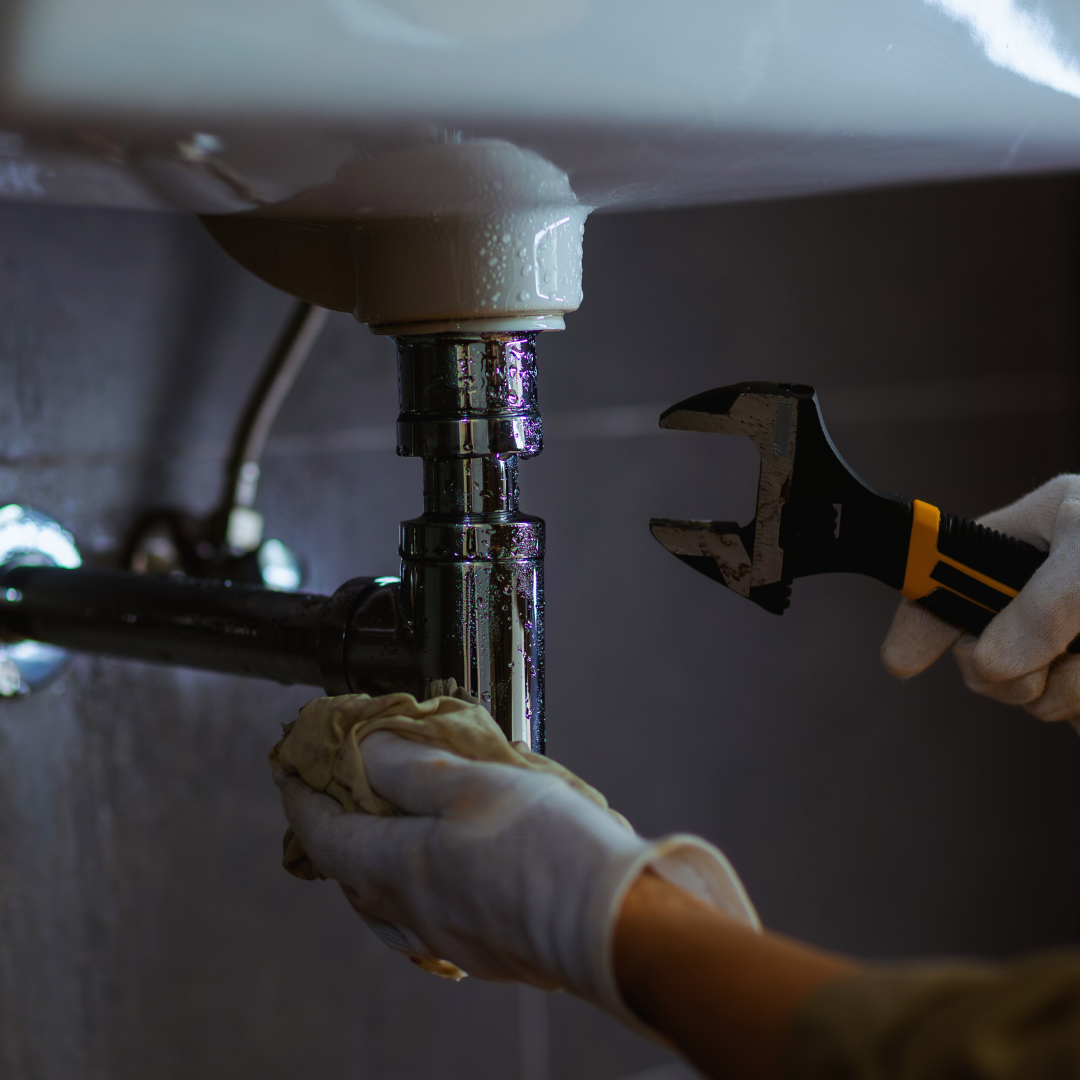
Many homeowners face common plumbing problems such as clogged drains, leaky faucets, and low water pressure. These issues can often be avoided with simple maintenance and mindful use of plumbing fixtures. Preventing plumbing problems requires regular checks, avoiding the disposal of grease, and promptly addressing minor leaks.
Ignoring small signs of trouble can lead to costly repairs and water damage. Taking basic preventative steps like using drain strainers, not flushing inappropriate items, and insulating pipes can reduce the chances of blockages and bursts.
Routine care and awareness about how plumbing systems work help keep these problems at bay. This article will share practical tips that anyone can use to protect their plumbing without needing professional help frequently.
Fundamental Preventive Habits for Plumbing Care
A few key habits can significantly reduce plumbing problems and water wastage. Paying attention to everyday use and timely inspection helps maintain the system’s efficiency and prevent costly repairs.
Be Mindful of What Goes Down Drains
Avoiding improper waste disposal prevents clogged drains. Items like grease, coffee grounds, and food scraps should never be poured down the sink.
Hair, wipes, and sanitary products do not dissolve and often cause blockages. Using strainers in drains can catch debris before it enters pipes.
Flushing only toilet paper avoids plumbing backups. Regularly disposing of waste properly protects pipes and reduces the risk of clogs.
Practice Regular Leak Detection
Frequent leak detection helps identify small issues before they worsen. Checking under sinks and around fixtures for damp spots can help spot early leaks.
Monitoring the water bill regularly reveals unexpected increases, which may indicate hidden leaks. Even small drips waste significant water over time.
Addressing leaky faucets promptly prevents water wastage and protects fixture washers from damage, extending their lifespan.
Proactive Fixture Maintenance
Routine maintenance of fixtures ensures smooth operation. Tightening loose parts and replacing worn washers in taps controls leaks.
Cleaning aerators removes mineral buildup that restricts water flow. Inspecting showerheads for blockages maintains consistent pressure.
Timely repairs of any malfunctioning parts reduce the chance of bigger plumbing issues and expenses later.
Preventing Common Issues With Toilets and Drains
Effective prevention of toilet and drain problems involves timely repairs and regular maintenance. Paying attention to small signs like persistent running water and slow draining can save costly repairs later. Keeping components in good condition and managing blockages proactively helps maintain proper function.
Address Running Toilets Quickly
A running toilet often wastes water and increases bills. It usually results from a faulty fill valve or a worn flapper. When the flapper doesn’t seal properly, water keeps leaking from the tank to the bowl, causing constant refilling.
Replacing the flapper is simple and inexpensive. Checking the fill valve for the correct water level prevents overflow and continuous running. Ignoring these issues can lead to higher water usage and potential damage.
Maintain Toilet Components
Regular inspection of key parts like the flapper, fill valve, and flush handle ensures smooth operation. Components wear out over time due to continuous use and water exposure.
Cleaning mineral deposits and replacing worn rubber seals helps avoid leaks and malfunctions. Tightening loose handles and ensuring the fill valve adjusts water flow correctly reduces the risk of common toilet issues.
Manage Drain Blockages Proactively
Clogged drains slow or stop water flow, often caused by hair, soap buildup, or grease. Using strainers in sinks and avoiding flushing inappropriate items helps reduce blockages.
Regular use of safe, enzyme-based drain cleaners breaks down organic matter without damaging pipes. For tougher clogs, a drain snake or professional help may be needed to restore flow without pipe damage.
Homeowners often try to clear these blockages on their own first. While basic tools work for minor issues, deep blockages in the main sewer line require specialized equipment. Local experts have the right tools to inspect the pipes and clear the debris safely. If you live in Colorado, contacting professional plumbers in erie co is a reliable way to solve persistent drain problems. These professionals can find the exact location of the clog without causing damage to your home’s system.
Protecting Pipes and Maintaining Water Pressure
Maintaining consistent water pressure and protecting pipes from damage are essential to avoid costly plumbing repairs. Proper equipment and seasonal care help reduce risks like burst pipes and low water pressure.
Install and Monitor a Pressure Regulator
A pressure regulator controls water pressure entering a home, preventing stress on pipes. High water pressure can cause leaks or bursts, especially in older pipes.
It should be installed where the main water line enters the home. Regularly checking the regulator ensures it functions correctly and maintains pressure between 40 and 60 psi, which is safe for most plumbing systems.
If water pressure is consistently too high or low, replacing or adjusting the regulator can restore balance and protect pipe integrity.
Prevent and Manage Frozen Pipes
Frozen pipes often burst, causing extensive water damage. Proper insulation is critical in vulnerable areas like basements, attics, and crawl spaces.
Keeping temperatures above freezing indoors and letting faucets drip slightly during extreme cold helps relieve pressure buildup inside pipes.
If a pipe freezes, thaw it slowly using warm towels or a hairdryer, never open flames. Detecting and addressing frozen sections early prevents pipe rupture.
Control Water Pressure to Avoid Bursts
Sudden pressure spikes, known as water hammer, can severely damage pipes. Installing water hammer arrestors near appliances like washing machines reduces shock.
Regular pressure tests help detect abnormally high pressure. Persistent issues require professional plumbing inspection and may involve pipe replacement or additional pressure control devices.
Maintaining balanced pressure safeguards pipe longevity and minimizes the risks of ruptures.
Reducing Water Wastage and Preventing Expensive Repairs
Addressing plumbing problems early can significantly lower water wastage and avoid costly repairs. Proper maintenance and timely upgrades help maintain system efficiency and reduce unexpected expenses.
Fix Leaky Faucets and Appliances
Leaky faucets and washing machines often cause unnoticed water loss. Even a slow drip can waste thousands of gallons annually, spiking water bills without visible signs.
Homeowners should inspect faucets and washing machines regularly. Replacing worn washers, tightening fittings, or changing faulty valves can stop leaks promptly. Leak detection tools or professional evaluations help locate hidden drips within walls or under sinks.
Prompt repairs not only conserve water but also prevent damage to cabinets and floors. This reduces the risk of mold and structural issues linked to persistent moisture.
Regularize Plumbing Inspection Schedules
Scheduling routine plumbing inspections helps catch minor leaks before they escalate. A professional plumber can check pipes, joints, and fixtures for early signs of wear or corrosion.
Inspections should occur at least once a year, or more often in older homes. Preventive checks spot leaks, blockages, and failing components that lead to water wastage.
Regular inspection reports allow for planned maintenance, reducing emergency repairs. This approach stretches the lifespan of plumbing systems and controls long-term expenses.
Upgrade Outdated Fixtures
Replacing old fixtures like faucets, toilets, and showerheads with modern, water-efficient models reduces water use and lowers bills.
New fixtures often use advanced technology such as aerators and dual-flush options to conserve water without sacrificing performance. Retrofitting outdated parts cuts down leak risks caused by worn seals or corrosion.
Upgrading fixtures supports sustainable water management. It also prevents gradual wastage caused by inefficient devices that cost more over time in wasted water and repairs.


Leave a Reply