

Regular home maintenance plays a crucial role in preserving and even increasing property value over time. Neglecting small tasks can lead to bigger, more expensive problems that reduce a home’s worth. Consistent upkeep prevents deterioration and keeps the property attractive to future buyers.
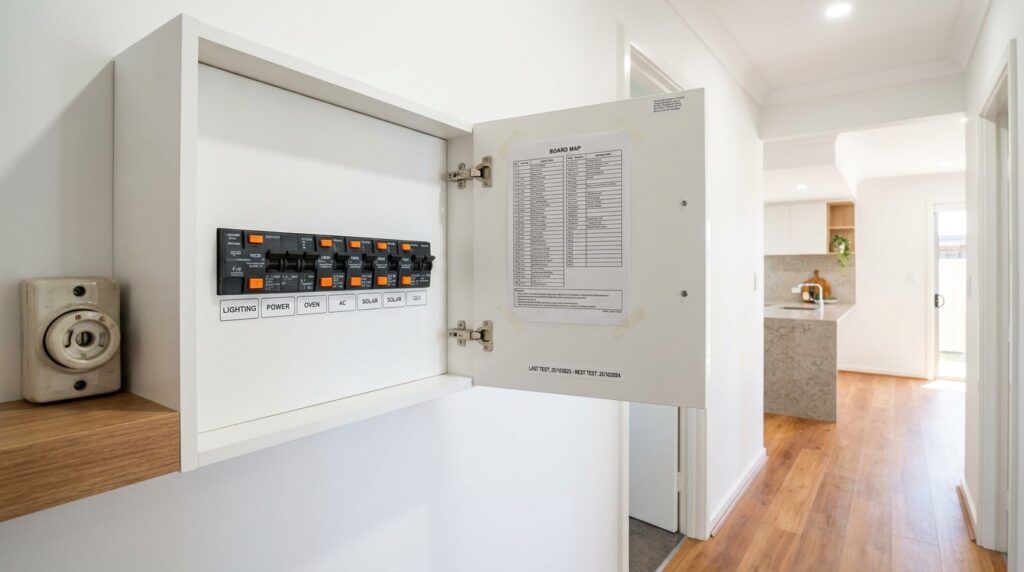
Simple tasks like inspecting the roof, cleaning gutters, and servicing HVAC systems protect the structure and functionality of the home. Maintaining plumbing and electrical systems also helps avoid costly repairs while ensuring safety. These routine efforts contribute directly to sustaining the home’s value in the long run.
By addressing wear and tear early, homeowners minimize damage and keep the property in good condition. This proactive approach supports both immediate comfort and long-term financial benefits connected to property value.
Fundamental Maintenance Habits That Safeguard Your Home’s Value
Consistent home maintenance protects property value by preventing costly repairs and extending a building’s lifespan. Creating and following a schedule ensures that key systems and structures are regularly inspected, cleaned, and repaired.
The Impact of Routine Upkeep on Property Longevity
Routine upkeep slows down wear and tear on critical components such as roofing, plumbing, and HVAC systems. For example, cleaning gutters prevents water damage, while HVAC filter changes improve efficiency and reduce breakdowns.
Neglecting these tasks can lead to expensive repairs, such as replacing a damaged roof or fixing mold from leaks. Regular maintenance also keeps a home’s aesthetic appeal strong, which supports its market value.
Tracking these efforts helps homeowners spot small issues early, reducing the risk of structural damage or system failures that drastically decrease property value.
Establishing and Following a Home Maintenance Checklist
A home maintenance checklist is essential for organizing tasks and ensuring nothing is overlooked. It should prioritize seasonal chores like inspecting the roof after storms, servicing heating systems before winter, and sealing exterior cracks.
Checklists often include:
- Testing smoke detectors
- Cleaning chimney flues
- Checking for water leaks
- Servicing lawn irrigation
Following such a list regularly helps homeowners prevent costly repairs by addressing problems early and maintaining consistent property condition over time.
Monthly Home Maintenance for Long-Term Gains
Monthly home maintenance tasks focus on inspection and minor upkeep to prevent deterioration. Homeowners should examine appliances for leaks or wear, clean HVAC vents, and check caulking around windows and doors.
These small actions stop issues from becoming larger, such as water intrusion or inefficient heating and cooling. Performing monthly checks also ensures that seasonal tasks are scheduled and completed on time.
Over time, this steady approach preserves structural integrity and functionality, keeping the property in good repair and maintaining its value.
Seasonal Home Maintenance for Year-Round Protection
Consistent attention to specific tasks each season can prevent minor issues from becoming costly repairs. Focusing on gutters, weather preparation, and organization simplifies upkeep and protects a home’s value effectively.
Spring and Fall: Gutter Cleaning and Exterior Checks
Cleaning gutters twice a year is essential to prevent water damage. In spring, removing debris from winter protects roofing and siding. In the fall, clearing leaves stops clogs before winter storms.
Installing gutter guards can reduce cleaning frequency and block debris from entering. Checking gutters for leaks or sagging sections during these seasons ensures proper water flow.
Exterior inspections should include siding, windows, and the roof for cracks or damage. Addressing small issues in spring and fall lowers repair costs and supports long-term durability.
Summer and Winter: Preparing for Weather Extremes
Summer maintenance includes checking the air conditioning system, sealing cracks around doors and windows, and inspecting the roof for heat damage. These actions improve energy efficiency and minimize wear.
In winter, focus shifts to preventing ice dams by ensuring gutters are clean and insulated. Protect pipes from freezing with insulation or heating tape. Clearing walkways of snow and ice also prevents accidents.
These preparations reduce the risk of structural damage caused by temperature fluctuations and storms, preserving the home’s condition through harsh weather.
Using a Seasonal Home Maintenance Checklist
A seasonal home maintenance checklist keeps tasks organized and timely. It lists specific duties like cleaning gutters, checking HVAC systems, and inspecting the foundation.
Using a checklist helps homeowners track completed tasks and schedule necessary repairs promptly. This approach lowers the chance of overlooked problems and helps prevent costly repairs before they arise.
Including reminders for both major and minor tasks supports thorough inspections and consistent maintenance throughout the year.
Essential Safety and Efficiency Tasks
Maintaining safety devices and improving energy efficiency are critical for preserving a home’s value. Regular checks and upkeep of these systems prevent hazards and reduce energy costs, while routine appliance care ensures long-term functionality.
Smoke Detectors and Carbon Monoxide Alarms
Smoke detectors must be tested monthly and batteries replaced annually to maintain functionality. Devices typically last 10 years; replacing them on schedule is essential for reliable protection.
Carbon monoxide alarms require similar attention. Since carbon monoxide is odorless and deadly, testing alarms monthly and replacing batteries yearly is crucial. Most carbon monoxide detectors need full replacement every 5-7 years.
Placement matters: smoke detectors should be on every floor and inside bedrooms. Carbon monoxide alarms need installation near sleeping areas, but not directly above fuel-burning appliances to avoid false alarms.
Energy Efficiency Through Weatherstripping and Caulking
Weatherstripping seals gaps around doors and windows to prevent drafts, reducing heating and cooling costs. It should be inspected annually and replaced where cracked or missing.
Caulking fills cracks in window frames, baseboards, and exterior siding. Damaged caulking lets water and air infiltrate, causing damage and energy loss.
Using foam sealants or silicone-based caulk provides a lasting barrier. Regular maintenance of these seals improves insulation and lowers monthly utility bills.
Routine Appliance and HVAC Maintenance
Heating, ventilation, and air conditioning (HVAC) filters need changing every 1-3 months to maintain air quality and system efficiency. Dirty filters can increase energy use and wear out components more quickly.
Appliances like refrigerators and ovens benefit from cleaning coils and seals regularly. This upkeep enhances operation and prevents premature failure.
Scheduling annual HVAC professional inspections addresses issues early and extends equipment lifespan. Consistent maintenance protects the home’s value by avoiding costly replacements.
Cleaning, Inspection, and Leak Prevention
Maintaining a clean indoor environment and proactively checking for leaks are essential to protect a home’s structure and systems. These tasks help avoid costly repairs and preserve both air quality and material integrity.
Dust Surfaces and Maintain Indoor Air Quality
Regular dusting removes particles that can settle on furniture, vents, and electronics, preventing buildup that degrades indoor air quality. Cleaning high-touch areas and hard-to-reach surfaces every one to two weeks limits allergens and reduces dust mites.
Using microfiber cloths captures dust more effectively than traditional dusters. Air filters should also be replaced or cleaned every three months to maintain ventilation system efficiency. This prevents dust and contaminants from circulating.
Attention to HVAC vents ensures dust does not clog the system, which could reduce airflow and increase energy use. Proper dust control supports respiratory health and protects finishes on surfaces throughout the home.
Regular Leak Checks in Plumbing and Appliances
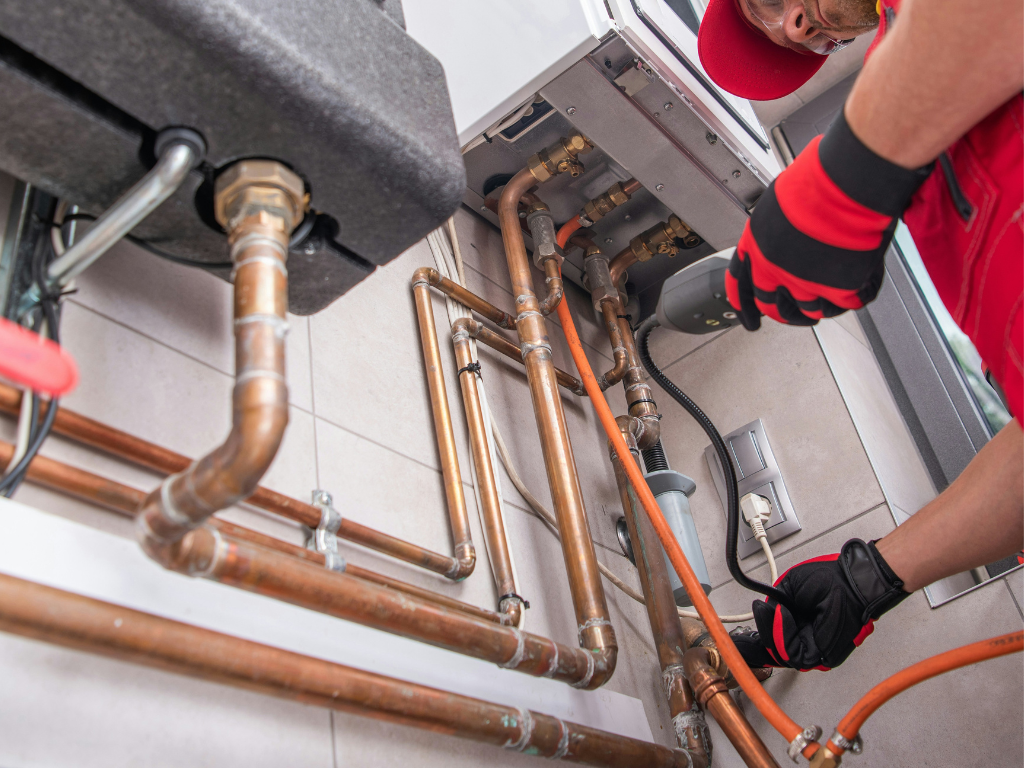
Frequent inspections of plumbing fixtures, pipes, and appliances can identify leaks early. Homeowners should check under sinks, around toilets, and near water heaters monthly for drips or moisture.
Appliances such as dishwashers and washing machines require inspection of hoses and connections to prevent water damage. Even small leaks can cause mold growth and structural deterioration if left unchecked.
Using a moisture meter in hidden areas helps detect leaks behind walls or under floors. Prompt repair of leaks avoids expensive water damage repairs and preserves the home’s value.


Leave a Reply