
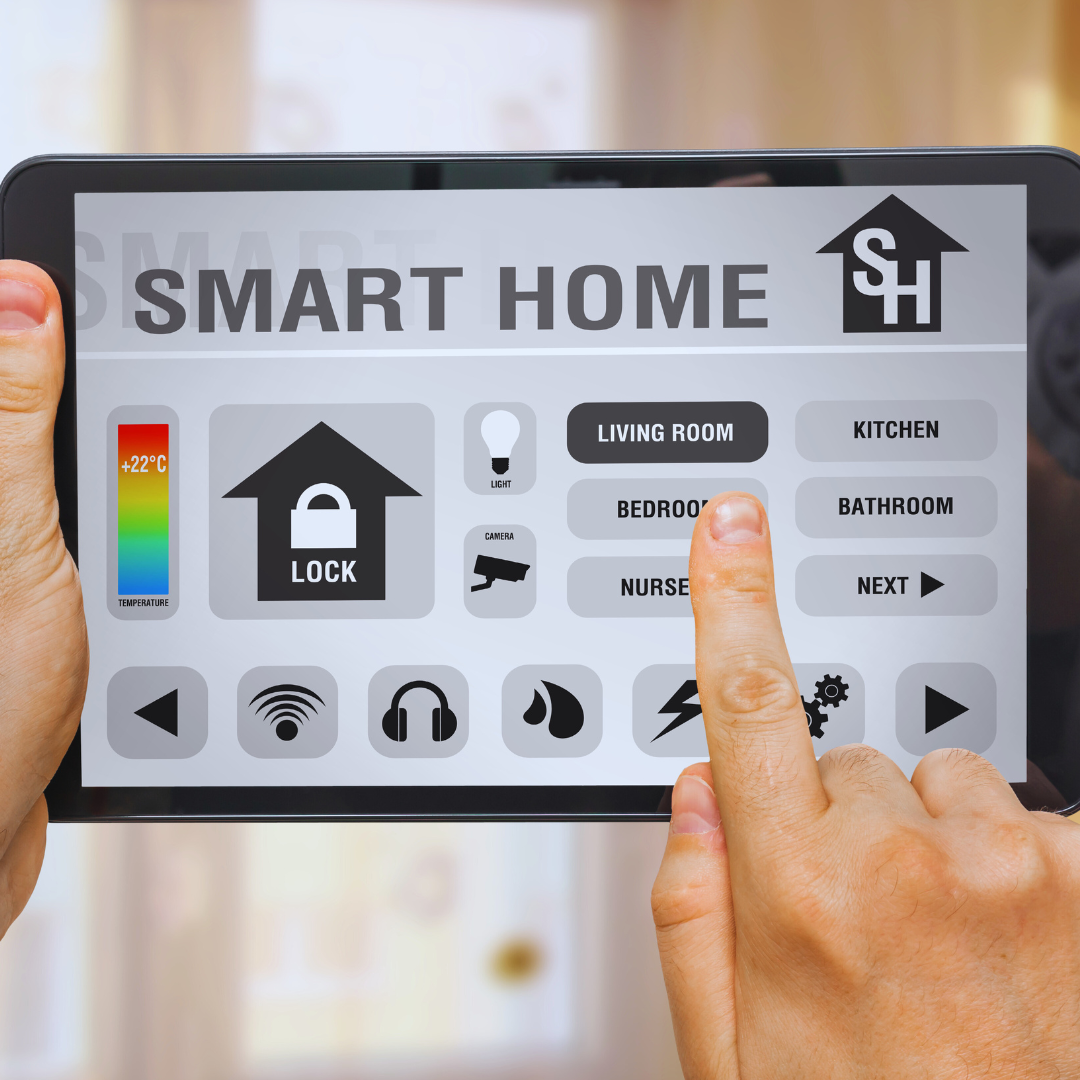
Smart home technology is transforming how people interact with their living spaces. Devices such as smart thermostats, lighting systems, and security cameras provide convenience and efficiency, making homes more responsive to individual needs. These innovations not only enhance daily comfort but also lead to energy savings and improved home security.
As technology advances, more homeowners are embracing automation to simplify their routines. From voice-activated assistants to smart refrigerators, these tools can seamlessly integrate into everyday life, offering functionalities that were once unimaginable. By leveraging smart home technology, individuals can create a personalized environment that adapts to their lifestyle.
While smart technology provides incredible tools for personalizing a living space, the foundation of a truly bespoke home lies in its initial architectural vision and detailed planning. For those envisioning a residence that perfectly reflects their unique tastes and daily habits, the process often begins with expert architectural guidance. This ensures that every aspect, from spatial flow to material selection, is meticulously crafted to suit individual lifestyle needs. In Edmonton, for instance, homeowners seeking to translate their dream home into a tangible reality often turn to specialists in custom home design in Edmonton. Such firms collaborate closely with clients to create environments that are not only technologically advanced but also deeply personal and aesthetically coherent.
The appeal of smart home systems extends beyond mere convenience. They offer a new level of control and flexibility that allows users to manage their home environment remotely. This capability enhances peace of mind, ensuring homes are secure and energy-efficient, even when residents are away.
Evolution of Smart Home Technology
Smart home technology has transformed significantly over the past few decades. The journey began in the 1970s with the introduction of basic automation systems. These systems controlled lighting and temperature but were limited in functionality.
In the 1990s, technological advancements led to the creation of more complex systems. Devices started to connect through wired networks, enabling homeowners to manage appliances remotely. The Internet of Things (IoT) emerged in the early 2000s, linking various devices through the internet.
Key milestones include:
- 2005: Introduction of smart thermostats, improving energy efficiency.
- 2010: Rise of voice-controlled assistants like Amazon Alexa and Google Home.
- 2014: Increased focus on security with smart cameras and doorbells.
Today, smart home technology encompasses a wide range of devices. These include smart lights, locks, and home security systems, all designed for user convenience. With the integration of AI, homes can now learn user preferences and automate tasks effectively.
As this technology continues to evolve, the future holds even more potential. Innovations in connectivity, such as 5G, promise to enhance the smart home experience. Homeowners can expect improved interoperability and smarter systems that offer greater control and customization options.
Defining Smart Homes
Smart homes integrate technology to enhance daily living. This includes various devices and systems working together for convenience, security, and efficiency.
Core Features
Core features of smart homes include automation, remote control, and enhanced security. Home automation allows users to schedule tasks, like adjusting thermostats or lights, through central hubs or apps.
Remote control capability provides access to smart devices from anywhere, using mobile devices or voice assistants. This enables homeowners to monitor and adjust settings in real time.
Security features often involve smart cameras, door locks, and alarms that can be controlled remotely. Many of these systems send alerts directly to users if suspicious activity is detected. Together, these components significantly enhance convenience and peace of mind.
Network Connectivity and IoT
Network connectivity is vital for smart homes, primarily relying on Wi-Fi and Bluetooth for device communication. Wi-Fi enables multiple devices to connect to the internet, allowing for seamless integration and control through cloud services.
The Internet of Things (IoT) plays a crucial role, in connecting devices to the internet and providing data exchange. IoT enables devices like thermostats, lights, and appliances to communicate with each other, creating a cohesive system.
Mesh networks also enhance connectivity by extending Wi-Fi coverage throughout the home. This ensures that all smart devices operate efficiently, reducing lag and improving responsiveness. A stable network is essential for maximizing the functionality of smart home technology.
Components of a Smart Home
Smart homes incorporate various components that enhance convenience, security, and energy management. These elements work together to create an interconnected system, allowing users to control their environment seamlessly. The primary components include smart devices and appliances, control interfaces, and sensors and actuators.
Smart Devices and Appliances
Smart devices and appliances form the backbone of a smart home. They include items like smart thermostats, lighting systems, security cameras, and kitchen appliances. These devices connect to the home network via Wi-Fi, Bluetooth, or Zigbee.
Examples of smart devices:
- Smart Speakers: Like Amazon Echo or Google Nest, which serve as control hubs.
- Smart Thermostats: Such as Nest, which adjusts temperatures based on user preferences.
These devices can often be programmed or controlled remotely, enabling users to manage their home environment via smartphones or voice commands.
Control Interfaces
Control interfaces enable users to interact with their smart home ecosystem. Common interfaces include smartphone apps, voice assistants, and dedicated control panels.
Key Features of Control Interfaces:
- Mobile Apps: Allow for remote access to all connected devices.
- Voice Control: Systems like Amazon Alexa and Google Assistant enable hands-free operation.
Interfaces often support automation features, enabling users to set routines or schedules to improve efficiency and security in their homes.
Sensors and Actuators
Sensors and actuators play a critical role in ensuring that a smart home responds to its environment. Sensors collect data on conditions such as temperature, motion, and light levels.
Types of Sensors:
- Motion Sensors: Detect movement and can trigger alarms or lights.
- Temperature Sensors: Help optimize heating and cooling for comfort and energy savings.
Actuators respond to commands from sensors or controllers, executing tasks like adjusting blinds or activating security systems. This interaction creates a responsive and efficient living environment.
Smart Home Ecosystems
Smart home ecosystems are designed to provide seamless connectivity among various devices and platforms. They enhance user experience through integration and convenience while raising important considerations regarding security and privacy.
Integration Platforms
Integration platforms form the backbone of smart home ecosystems. They allow devices from different manufacturers to communicate effectively. Popular platforms include Amazon Alexa, Google Assistant, and Apple HomeKit.
These platforms support a range of connected devices, such as smart lights, thermostats, and security cameras. Users can control their devices through voice commands or mobile apps.
Multiple device compatibility is a key advantage. This interoperability enables users to customize their smart home systems to meet their unique needs, enhancing convenience and efficiency.
Proprietary vs Open Ecosystems
Proprietary ecosystems restrict user choices, favoring devices from a single manufacturer. Examples include Samsung SmartThings or Apple HomeKit. These systems often provide streamlined setups and integrated features.
Conversely, open ecosystems allow third-party devices to connect easily. Examples include Google Assistant and Amazon Alexa. This flexibility facilitates a wider range of device compatibility, offering users more options.
Choosing between proprietary and open ecosystems impacts future flexibility. Proprietary systems may limit integration in the future, while open systems encourage diverse device compatibility.
Security and Privacy Considerations
Security in smart home ecosystems is paramount. Devices are vulnerable to hacking, which can lead to unauthorized access to personal data. Key measures include strong passwords, regular updates, and secure Wi-Fi networks.
Privacy is another concern. Many devices collect user data for functionality improvements or personalized experiences. Users should understand the data policies of their devices and the platforms they utilize.
To protect privacy, users can limit data sharing and adjust privacy settings. Staying informed about device vulnerabilities and establishing secure practices will help maintain a safer smart home environment.
Benefits of Smart Homes
Smart home technology offers various advantages that can enhance daily living. Key aspects include improved energy efficiency, increased convenience and comfort, and greater accessibility for individuals, especially the elderly.
Energy Efficiency
Smart homes significantly decrease energy consumption. Devices like smart thermostats optimize heating and cooling by learning user preferences and adjusting settings automatically. This can lead to savings of up to 30% on energy bills.
While smart devices excel at optimizing energy consumption and maximizing savings, the foundational energy source powering these systems is equally critical. Homeowners seeking truly efficient and reliable solutions often consider the quality and consistency of their energy supply. Ensuring a steady and cost-effective energy flow is paramount for maintaining comfort and functionality, especially when integrating advanced smart home technologies. For those relying on propane, finding a provider committed to personalized service and fair pricing, like Sea Breeze LP, can significantly enhance overall home efficiency and peace of mind. Such partnerships ensure that your smart home’s advanced capabilities are always supported by a dependable energy foundation.
Smart lighting systems adjust brightness based on natural light exposure and occupancy. Using LED bulbs in combination with smart controls further reduces energy use. These features not only save money but also contribute to more sustainable living.
Beyond smart devices, the structural integrity of a home plays a crucial role in energy conservation and overall safety. High-performance windows and doors, for instance, are essential for maintaining stable indoor temperatures and preventing energy loss, especially in regions prone to extreme weather. These specialized installations not only enhance insulation but also offer robust protection against external elements. For homeowners in hurricane-prone regions, investing in durable options from Tampa impact window manufacturers ensures both significant energy savings and unparalleled peace of mind during severe storms. Such upgrades are fundamental to creating a truly resilient and efficient smart home environment.
Convenience and Comfort
Smart homes greatly enhance daily routines through automation. Homeowners can control lighting, appliances, and security systems remotely via smartphones. This capability allows for seamless management of household tasks, whether scheduling coffee makers or adjusting temperature.
Voice-activated assistants simplify interactions. They enable users to execute commands hands-free, promoting an effortless lifestyle. Additionally, smart devices offer tailored experiences, such as smart fridges providing recipe suggestions based on available ingredients.
Accessibility and Aging in Place
Smart home technology plays a vital role in supporting aging individuals. Automated systems can monitor health and safety, sending alerts for unusual activity. This feature helps caregivers stay informed, ensuring timely assistance when needed.
Voice controls and remote management improve usability for those with mobility challenges. Smart doorbells and cameras allow homeowners to see visitors without getting up. These technologies ensure that aging individuals can maintain independence while living comfortably and safely in their own homes.
Challenges and Considerations
Smart home technology presents several challenges that users and developers must navigate. Issues such as interoperability, installation complexities, and user adoption can greatly impact the effectiveness and accessibility of these technologies.
Interoperability Issues
Interoperability remains a significant concern for smart home ecosystems. Different devices often use various communication protocols, making seamless integration difficult. For instance, a smart thermostat might not communicate efficiently with lighting systems due to incompatible standards.
- Common Protocols: Z-Wave, Zigbee, Wi-Fi, and Bluetooth are frequently used.
- Fragmentation: This fragmentation leads to a lack of a unified control system, forcing users to manage multiple apps and interfaces.
Developers face the challenge of creating devices that can work across different platforms. The lack of standardization can frustrate consumers, leading to reduced satisfaction with smart home systems.
Installation and Maintenance
Installation of smart home devices can vary in complexity, often deterring users from adopting new technologies. Some devices require professional installation, while others may need extensive DIY knowledge.
- Professional vs. DIY: Users should evaluate if they have the skills for DIY setups or need to hire professionals.
- Ongoing Maintenance: Regular updates and troubleshooting may be necessary to keep devices running smoothly.
Users might find themselves overwhelmed by the maintenance tasks involved. Regularly updating firmware or dealing with connectivity issues can lead to decreased usage over time.
User Experience and Adoption Hurdles
The user experience is critical in the adoption of smart home technology. Devices must be intuitive and simple to use, but many systems provide a steep learning curve.
- Usability: Complicated interfaces can alienate less tech-savvy individuals.
- Education: Familiarizing users with new technology requires effective education and support.
Peer influence and social acceptance also play a role in adoption rates. If individuals perceive smart home devices as too complex or unnecessary, they may hesitate to invest in them despite potential benefits.
Technological Advancements
Smart home technology has seen significant progress, particularly in areas such as artificial intelligence, edge computing, and emerging trends. These innovations are reshaping how devices communicate, learn, and respond to user needs.
Artificial Intelligence and Machine Learning
Artificial intelligence (AI) and machine learning (ML) are central to modern smart home systems. These technologies enable devices to learn user preferences over time, enhancing personalization. Smart thermostats, for instance, can adapt to the homeowner’s routine, optimizing energy consumption.
Devices equipped with AI can analyze user behavior and make suggestions. For example, smart speakers can recommend music or adjust lighting based on previous interactions. This adaptive learning fosters a more intuitive user experience, making smart homes increasingly user-friendly.
Moreover, AI enhances security systems. Facial recognition software in smart cameras can identify residents versus unfamiliar faces, sending alerts when necessary. This technology not only improves safety but also provides peace of mind to homeowners.
Edge Computing in Home Automation
Edge computing plays a crucial role in streamlining smart home operations. By processing data closer to the devices, latency is reduced, resulting in faster response times. This is particularly important for applications requiring real-time data, such as security monitoring and energy management systems.
For example, a smart camera utilizing edge computing can analyze video feeds locally, determining if an alert is warranted before notifying the homeowner. This reduces bandwidth usage and optimizes network performance.
Additionally, edge computing enhances privacy. By processing data on-site rather than sending it to the cloud, it minimizes the risk of data breaches. Homeowners gain better control over their data, promoting a safer environment for personal information.
Future Trends in Smart Home Technology
Emerging trends in smart home technology indicate a shift toward greater integration and functionality. Voice control is becoming more prevalent, allowing users to manage multiple devices through simple commands. This trend enhances convenience and accessibility, especially for individuals with mobility challenges.
Connectivity is another focal point. The rise of interoperability between devices from different manufacturers enables a more cohesive ecosystem. Homeowners can control everything from lighting to security systems using a single interface, simplifying their experience.
Sustainability is also gaining traction. Smart homes are increasingly designed with energy-efficient technologies, such as solar panels combined with smart energy management systems. These advancements facilitate reduced energy consumption and a lower carbon footprint, appealing to environmentally conscious consumers.
Market Overview
The smart home technology market is rapidly evolving, supported by innovation and increasing consumer demand. Several key players dominate the landscape, while the potential for growth remains substantial due to emerging trends and regulatory influences.
Key Players and Products
Major companies in the smart home technology sector include Amazon, Google, Apple, Samsung, and Philips Hue. These companies offer a range of products that enhance home automation.
- Amazon Alexa: provides voice-controlled devices like Echo and integration with various smart gadgets.
- Google Nest: offers smart thermostats and security cameras.
- Apple HomeKit: enables control through iOS devices, focusing on privacy and security.
- Samsung SmartThings: connects multiple devices for a cohesive smart home setup.
Product offerings span various categories, including smart lighting, security systems, and climate control.
Market Growth and Potential
The smart home technology market is projected to grow significantly. According to industry reports, the market size is expected to reach $135 billion by 2025, expanding at a 25% CAGR.
Key drivers of this growth include:
- Increasing demand for energy-efficient solutions.
- Growing awareness of home security needs.
- The rise of the Internet of Things (IoT), allows seamless device communication.
Emerging markets also present new opportunities, as adoption rates for smart devices among consumers increase.
Impact of Regulations and Standards
Regulatory frameworks are shaping the smart home technology landscape. Standards for data privacy and security, such as the General Data Protection Regulation (GDPR) and California Consumer Privacy Act (CCPA), are influencing product development.
Manufacturers must comply with these regulations, ensuring consumer data protection. Additionally, industry standards like Zigbee and Z-Wave facilitate compatibility between various smart devices, enhancing user experience.
Adhering to these regulations not only builds consumer trust but also encourages market stability.
Implementing Smart Home Solutions
Implementing smart home solutions involves crucial considerations regarding installation methods, cost management, and best practices to maximize efficiency and user experience. These factors play a significant role in ensuring a successful integration of smart technology into the home.
DIY vs Professional Installation
Choosing between DIY and professional installation depends on several factors, including technical skill, time availability, and complexity of the system.
DIY Installation:
- Advantages: Cost-effective, allows for flexible scheduling, and fosters a personal understanding of the technology.
- Disadvantages: Risk of improper setup, potential for voided warranties, and learning curve for less tech-savvy individuals.
Professional Installation:
- Advantages: Expertise ensures correct functionality, typically includes warranties and post-installation support.
- Disadvantages: Higher upfront costs and less personal involvement in the system’s setup.
Homeowners should evaluate their capabilities and preferences to make an informed decision.
Cost Analysis and Budgeting
When budgeting for smart home solutions, one must consider both initial investments and ongoing expenses.
Initial Costs:
- Hardware: Prices can range from $30 for basic smart bulbs to $500 for comprehensive systems.
- Installation: Professional services can add $100 to $300, depending on complexity.
Ongoing Costs:
- Subscription fees for certain smart services, which can be $10 to $30 monthly.
- Increased utility costs due to more devices, although energy savings from smart systems can offset this.
Creating a budget that includes all potential costs ensures preparedness for both installation and maintenance.
Best Practices for Smart Home Setup
Adhering to best practices can enhance both the functionality and security of smart home systems.
- Choose Compatible Devices: Ensure that all devices work with a central hub or app. This minimizes connectivity issues.
- Secure Wi-Fi Network: Protect the home network with strong passwords and regular updates to safeguard against unauthorized access.
- Start Simple: Begin with a few essential devices, gradually expanding the system to allow for smooth integration.
- Regular Updates: Keep all devices updated to ensure the latest security features and functionality.
Following these practices leads to a more reliable and efficient smart home environment.
Case Studies
Examining specific instances of smart home technology reveals its diverse applications in residential and commercial settings. These case studies highlight practical uses and the benefits derived from smart technology implementations.
Residential Smart Homes
In a recent case study, a family in a suburban area integrated smart home technology to enhance their daily living. They installed a smart thermostat, allowing for energy-efficient temperature control. This adjustment led to a 20% reduction in monthly energy bills.
Furthermore, a smart security system was implemented, which included cameras and motion sensors. This increased their home’s safety, as they could monitor activities remotely through a mobile app.
The installation of smart lighting systems also allowed for automated control, contributing to convenience. By utilizing voice-activated assistants, family members could easily manage their environment hands-free, improving overall quality of life.
Commercial Applications
A leading hotel chain adopted smart technology to enhance guest experiences. Each room was equipped with smart thermostats, allowing guests to set their preferred temperatures through an app.
Additionally, the hotel implemented smart lighting systems that adjusted based on occupancy, optimizing energy usage. Their keyless entry system improved security while streamlining guest check-ins. This technology reduced wait times and enhanced the overall customer experience.
Data collected through these systems provided valuable insights for future improvements. The hotel not only increased operational efficiency but also attracted tech-savvy customers looking for modern amenities.
Future Perspectives
Smart home technology is poised for significant advancements that incorporate sustainability and integration into smart cities. These developments are critical to achieving efficient living and enhancing urban environments.
Sustainability in Smart Homes
Smart homes are increasingly focusing on sustainability by optimizing energy use and reducing waste. Energy-efficient appliances and smart thermostats can significantly lower energy consumption, reducing the carbon footprint.
Key Features:
- Energy Monitoring: Devices track energy usage, allowing homeowners to identify inefficiencies.
- Renewable Energy Integration: Systems can connect to solar panels or wind turbines, promoting self-sufficient energy production.
- Smart Irrigation: Automated watering systems optimize water use, crucial for maintaining eco-friendly gardens.
Sustainability will drive innovation in materials and designs for smart homes, with an emphasis on durability and recyclability. This shift encourages responsible consumption and supports environmental goals. Keep in mind that you will need to have your system checked out by professionals to ensure that everything is working smoothly. From electricians to plumbers in cleveland tn (or elsewhere) they can provide a full service so everything is working together.
The Role of Smart Cities
The concept of smart homes is intrinsically linked to the development of smart cities. Integration of technology at the urban level includes improved infrastructure, public services, and transportation systems.
Key Elements:
- Data-Driven Decisions: Cities utilize data analytics to optimize traffic patterns and reduce congestion.
- Enhanced Connectivity: Smart homes contribute data that can help urban planners create better living environments.
- Safety and Security: Advanced surveillance and emergency response systems can enhance citizen safety.
As smart cities evolve, collaboration between homeowners and municipal services will become vital, fostering a more interconnected and efficient urban ecosystem. This synergy will enhance the quality of life and support sustainable urban growth.



Leave a Reply