
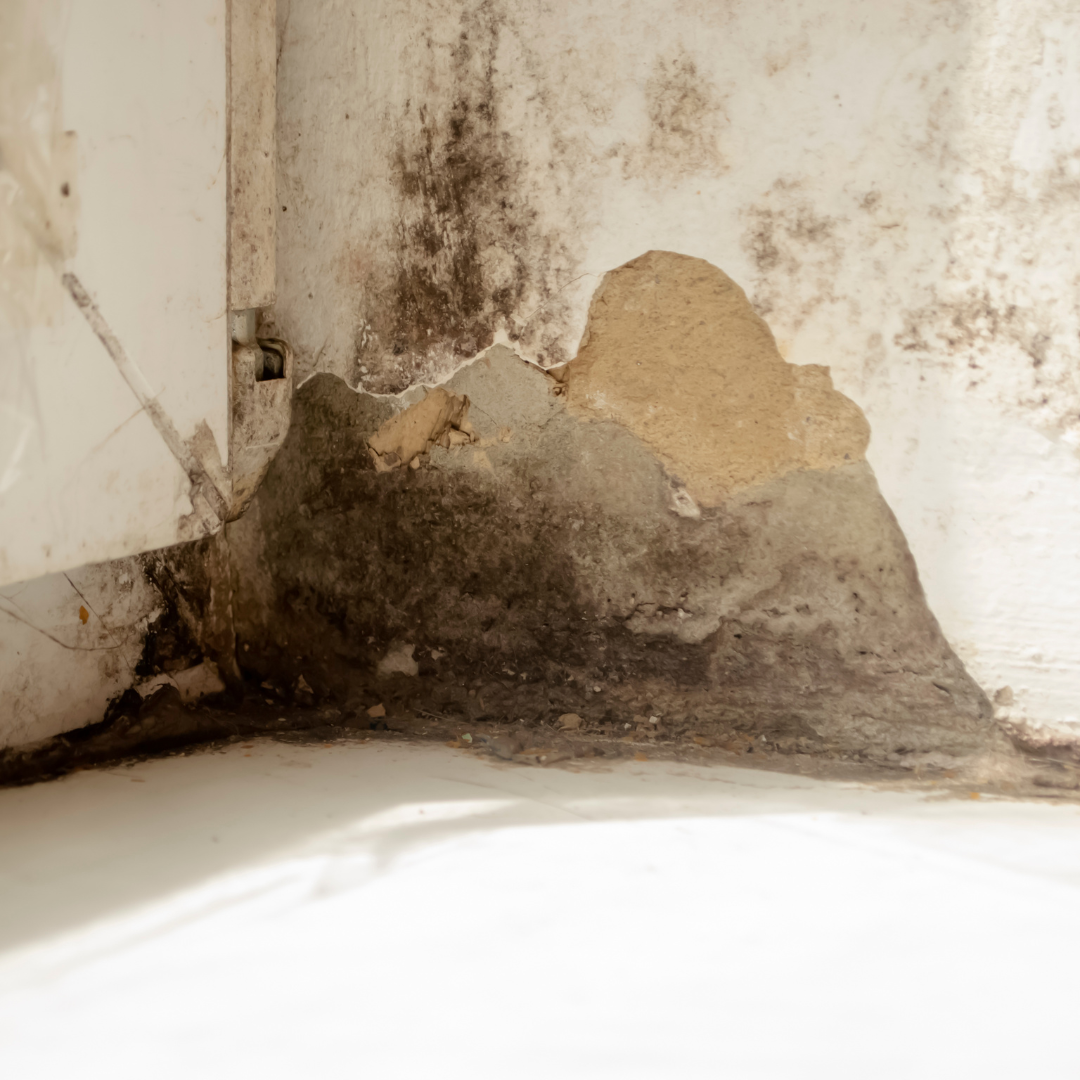
Mold remediation can be a stressful process, especially if you’re unsure how long it will take. If you’ve noticed mold growth in your home or business, you’ve likely wondered, “How long will this take to fix?” The reality is, there’s no one-size-fits-all answer. Every mold remediation project is unique, with several factors influencing the timeline.
Size and Scope of the Mold Problem
So, how long does mold remediation take? Well, one of the most significant factors affecting the duration of mold remediation is the extent of the infestation. Are we talking about a small patch in the corner of a bathroom or a widespread issue affecting multiple rooms? A small mold problem can often be resolved within a day or two, but a larger, more extensive issue could take weeks.
Mold remediation specialists need to assess the situation thoroughly before providing an accurate timeframe. They’ll inspect the affected area, determine how deep the mold has spread, and figure out whether additional areas might also be affected but not immediately visible. This evaluation step is crucial to ensure that no mold is left behind.
Type of Mold Present
Did you know there are thousands of mold species? Some are relatively harmless, while others, like Stachybotrys chartarum (commonly known as black mold), require more intensive remediation. The type of mold present in your space can significantly impact how long it takes to get rid of it.
For example:
- Surface-level molds – Often easier to remove and require less time.
- Deeply embedded molds – May have infiltrated walls, ceilings, or flooring, requiring more invasive measures.
Testing may be necessary to identify the specific mold type and tailor the remediation process accordingly.
Location of the Mold
Where the mold is growing plays a big role in determining how long it will take to eliminate it. If the mold is in a visible and accessible spot, like a bathroom wall or window frame, the remediation process is usually quicker. However, if it’s hiding behind drywall, under flooring, or in hard-to-reach areas like HVAC systems, things can take a bit longer.
Mold in hidden areas often requires extra steps, such as removing and replacing structural materials or cleaning out ducts. The more complex the location, the longer the remediation process may take.
Level of Damage
Mold doesn’t just sit on the surface—it can cause structural damage to materials like wood, drywall, and insulation. If your mold problem has led to severe damage, remediation will involve more than just cleaning. In some cases, entire sections of walls, flooring, or ceilings may need to be replaced.
Replacing damaged materials adds extra time to the project. However, addressing this thoroughly is essential to ensure the mold doesn’t return or compromise the safety of your home or workplace. In situations where the damage becomes extensive and repair costs start to add up, you might want to explore alternatives such as selling the property as-is to buyers like those from Evergreen Home Buyers, who specialize in purchasing homes without requiring major repairs or renovations beforehand.
Moisture Control
Mold thrives in damp conditions, so eliminating the source of moisture is a crucial part of the remediation process. Whether it’s a leaky pipe, a roof problem, or high indoor humidity, the underlying issue must be resolved before the mold can be fully dealt with.
To effectively tackle the moisture source, the necessary actions can range from simple repairs to more complex interventions. For example, fixing a small leak may be a quick task that a plumber can complete in a few hours. On the other hand, larger issues, such as foundation damage or extensive water intrusion, often require more time and the involvement of various specialists.
Therefore, regardless of the scale of the problem, it is important to consult a Top-Rated Plumber promptly when signs of moisture are detected. Their expertise can help accurately diagnose the cause and ensure that appropriate repairs are made to control moisture effectively and reduce the risk of mold growth.
Necessary Testing and Post-Remediation Checks
Testing isn’t always required, but when it is, it can add time to the process. Pre-remediation testing determines the type and extent of the mold problem, while post-remediation testing ensures the mold has been completely removed.
These tests are particularly important in sensitive environments, such as homes with people who have respiratory conditions or allergies. Waiting for lab results can sometimes delay the process, but it’s a worthwhile step to ensure the space is safe.
Equipment and Techniques Used
The tools and methods used during remediation can also impact how long the project takes. For example:
- HEPA vacuums and air scrubbers – These are effective for removing mold spores from the air but can take time to set up and run.
- Chemical treatments – While quick to apply, they often require drying or curing time before the space is safe to use again.
Advanced techniques, such as dry ice blasting or specialized antimicrobial solutions, might speed up the process but may not be necessary for every situation.
Beyond traditional methods, modern innovations have introduced even more efficient ways to handle infestations without the use of harsh chemicals. Utilizing a professional Mold and odor removal company that employs patented, 100% natural technology can often resolve the issue in as little as 24 hours.
This approach not only accelerates the timeline but also ensures that the indoor environment is sanitized and safe for immediate re-entry. By choosing a service that guarantees results through chemical-free processes, property owners can avoid the lingering smells often associated with standard treatments. This level of efficiency is particularly beneficial for those in the middle of real estate transactions or managing sensitive commercial spaces.
Number of Professionals Involved
A full-service mold remediation can involve detailed assessments, containment, and safe removal protocols that ensure the problem is addressed at its source with minimal disruption to your home. A well-staffed team can tackle even large mold problems more efficiently. If only one or two specialists are available, the timeline might stretch out. That said, hiring an experienced and reputable remediation team is always the best choice, even if it takes slightly longer to schedule them.
Occupancy During Remediation
Are you staying in your home or business while the work is being done? If so, the remediation team might need to adjust their schedule to minimize disruption to your daily life. This could extend the timeline compared to a vacant property where work can proceed uninterrupted.
Regulations and Safety Protocols
Mold remediation isn’t just about cleaning—it also involves ensuring the safety of everyone involved. Adhering to local regulations and safety standards may require extra steps, such as setting up containment areas, using personal protective equipment, or properly disposing of contaminated materials. While these steps add time, they’re essential for a thorough and safe remediation process.
The Bottom Line
The time it takes to complete mold remediation depends on a variety of factors, from the size and type of the infestation to the location and level of damage. By understanding these factors, you can better prepare for what lies ahead and work with your remediation team to create a realistic timeline.
If you’re dealing with a mold issue, don’t delay in addressing it. The sooner you start, the less time and effort the remediation process will take—and the sooner you can return to a clean, safe, and healthy environment.




Leave a Reply