
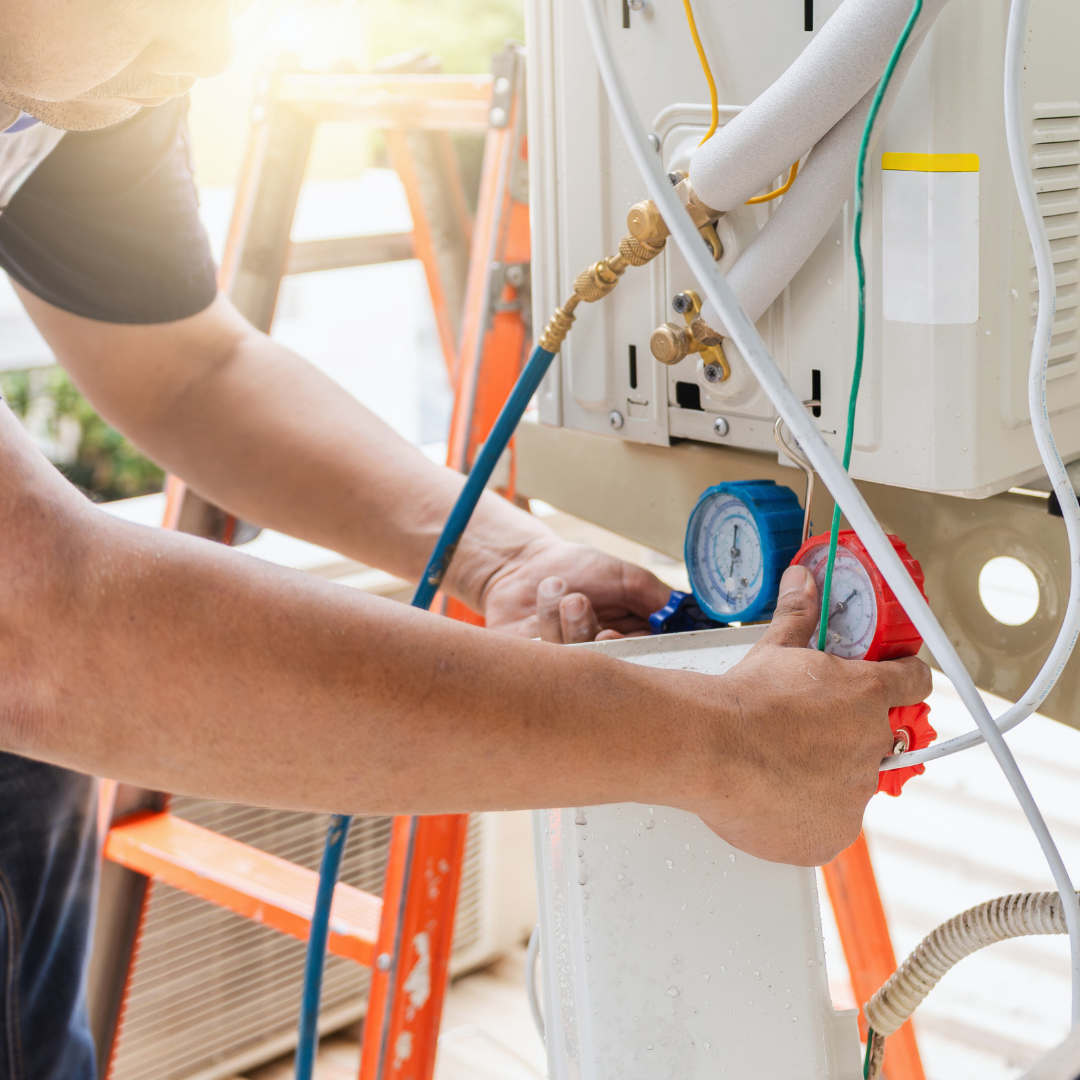
When an HVAC system shows signs of trouble, it needs prompt attention to maintain comfort and efficiency. The most effective step is to identify the issue early and schedule a professional inspection or repair. Ignoring warning signs can lead to higher energy costs and more extensive damage.
Simple maintenance tasks like changing filters or clearing vents can resolve minor problems, but many issues require expert diagnosis. Recognizing symptoms such as unusual noises, inconsistent temperatures, or increased utility bills helps determine when to call a technician.
Taking action quickly prevents small problems from becoming costly repairs. Understanding when and how to address HVAC concerns ensures the system continues running reliably through all seasons.
Recognizing Warning Signs Your HVAC System Needs Attention
An HVAC system may show signs of trouble through noises, uneven temperature control, odors, or increased energy costs. These signals help identify issues early, often pointing to specific problems that require prompt action.
Unusual Noises and What They Indicate
Strange sounds coming from an HVAC system often indicate mechanical issues. For example, grinding noises can suggest problems with the blower motor bearings. Squealing sounds might mean a worn-out belt or motor malfunction.
Rattling often points to loose components inside the unit, which can worsen if left unchecked. Clicking noises during startup can be normal, but persistent clicking may indicate electrical issues. Addressing unusual noises early prevents further damage.
Inconsistent Heating or Cooling Performance
When parts of a building feel hotter or colder than others, the HVAC system might be struggling. This uneven temperature distribution often results from a clogged air filter restricting airflow or from refrigerant leaks reducing system efficiency.
Short cycling, where the system turns on and off frequently, can also cause inconsistent performance. Such behavior stresses components, increasing wear. Regular system inspections can help catch these problems before comfort levels are affected.
Strange Odors and Their Causes
Unpleasant smells suggest an HVAC system needs maintenance. Musty or moldy odors often come from moisture buildup inside the ducts or evaporator coil. This could indicate poor indoor air quality due to clogged air filters or drainage issues.
Burning or electrical smells may point to overheating wiring or motor problems, which require immediate attention. Gas or chemical odors can indicate refrigerant leaks, posing health and safety risks. Odors should never be ignored.
Unexpected Spikes in Energy Bills
Sudden increases in energy bills often correlate with HVAC system inefficiency. Refrigerant leaks force the system to work harder to maintain temperature, consuming more electricity. Similarly, a failing blower motor can reduce airflow and increase energy use.
Clogged air filters or dirty coils also reduce efficiency, making the system run longer than necessary. Monitoring energy consumption can alert homeowners to underlying HVAC problems that need evaluation and repair.
Troubleshooting Common HVAC Problems
HVAC systems often show specific signs when they need attention. These include reduced airflow, water leaks, inconsistent temperature control, and irregular cycling. Addressing these issues promptly helps maintain efficiency and prevents further damage.
Addressing Clogged Air Filters and Poor Airflow
Clogged air filters restrict airflow and reduce system efficiency. Filters should be checked monthly and replaced every 1-3 months, depending on usage and environmental factors. Poor airflow can also result from dirty ducts or blocked vents.
To improve airflow:
- Inspect and replace clogged air filters.
- Clear obstructions near vents and registers.
- Check duct insulation for gaps to prevent loss of conditioned air.
Maintaining clean filters and well-sealed ducts prevents strain on the HVAC system and improves indoor air quality.
Dealing with Excess Moisture and Water Leaks
Excess moisture often results from a blocked condensate drain or dirty drain lines. Water pooling around the indoor unit signals these issues and can lead to mold growth.
Steps to address moisture problems:
- Inspect and clear the condensate drain line.
- Use a wet/dry vacuum to remove blockages.
- Check for leaks around the evaporator coil and pan.
Proper drainage and ventilation prevent damage and keep the system functioning correctly.
Identifying Thermostat Issues
Thermostat problems cause inaccurate temperature readings and intermittent system operation. Faulty thermostats may fail to send correct signals, leading to discomfort and energy waste.
Common fixes include:
- Replace thermostat batteries regularly.
- Ensure the thermostat is mounted away from direct sunlight or drafts.
- Resetting or recalibrating the thermostat if temperatures do not match the settings.
Accurate thermostat function supports consistent heating and cooling.
Reducing Short Cycling and Power Fluctuations
Short cycling is when the HVAC turns on and off too frequently. It increases wear and raises energy consumption. This often results from oversized units, poor insulation, or electrical issues.
To reduce short cycling:
- Verify the system size matches the home’s heating and cooling load.
- Inspect insulation to reduce heat loss or gain.
- Check electrical connections and circuit breakers for stability.
Addressing these factors stabilizes system operation and extends equipment life.
Optimizing Indoor Air Quality and System Efficiency
Improving the home’s air quality and reducing energy costs involves targeted actions on air filtration, allergen control, and system upgrades. A well-maintained HVAC system minimizes common health issues and lowers utility bills.
Managing Indoor Allergens and Dust
To reduce allergens and dust, regularly changing HVAC filters is essential. High-efficiency particulate air (HEPA) filters or filters rated MERV 13 or higher capture fine particles that trigger allergy symptoms.
Cleaning ductwork or using UV air purifiers can further prevent mold and bacteria growth, improving the air quality. Vacuuming with a HEPA filter vacuum and using doormats to reduce dirt entry also contribute.
Humidity control plays a role. Maintaining indoor humidity between 30% and 50% limits dust mite populations and mold growth, both common allergens.
Improving Energy Efficiency
Energy efficiency depends largely on routine HVAC maintenance and addressing home insulation. Sealing leaks in ductwork and improving insulation around windows and doors reduces load on the system.
Scheduling professional HVAC tune-ups ensures parts like fans, coils, and motors work optimally, which lowers energy bills. Replacing old equipment with ENERGY STAR-rated units can further decrease consumption.
Also, consider optimizing thermostat settings—lowering temperatures in winter or raising them in summer during off-hours wastes less energy.
Upgrading to a Smart Thermostat
Smart thermostats provide precise control over indoor temperatures, adapting to occupancy patterns automatically. This reduces unnecessary heating and cooling, directly impacting energy bills.
They often feature remote control via smartphones, allowing users to adjust settings when away. Some models include air quality sensors or integrate with other smart home devices to optimize system performance.
Advanced learning algorithms in smart thermostats can improve comfort while preventing overuse, a significant factor in energy inefficiency caused by outdated controls.
When to Call a Professional and Plan for Future Maintenance
Recognizing the right time for professional help ensures efficient and lasting HVAC performance. Planning regular care can prevent breakdowns, save money, and maintain air quality.
Knowing When to Seek HVAC Repairs
If the system shows unusual noises, uneven temperatures, or frequent cycling, it signals the need for HVAC repairs. Sudden spikes in energy bills or persistent odors also indicate issues that require an HVAC technician.
Attempting DIY fixes on electrical or refrigerant components can worsen problems. Calling a licensed professional ensures accurate diagnosis and safe repair. Early intervention reduces the risk of system failure.
Emergency repairs should be prioritized when the system stops working during extreme weather. Scheduling an HVAC repair promptly can avoid discomfort and further damage.
Benefits of Routine HVAC Inspection
Scheduling regular HVAC inspections helps detect minor defects before they escalate. A technician checks filters, wiring, thermostats, and refrigerant levels systematically.
Routine inspections improve system efficiency, reduce energy costs, and maintain consistent airflow. They also uphold indoor air quality by identifying mold, dust buildup, or leaks.
Documenting inspection results assists in tracking system health and planning needed replacements. Most manufacturers recommend inspections biannually, ideally before summer and winter.
Extending System Lifespan Through Preventive Care
Preventive care includes timely filter changes, cleaning coils, and checking ducts for blockage. These actions reduce strain on components and improve performance.
An HVAC technician can offer maintenance plans tailored to specific system models. These plans often include seasonal tune-ups, part lubrication, and system calibration.
Regular preventive care delays major repairs and extends the overall lifespan of HVAC equipment by several years. It also helps maintain warranty validity and resale value.



Leave a Reply