
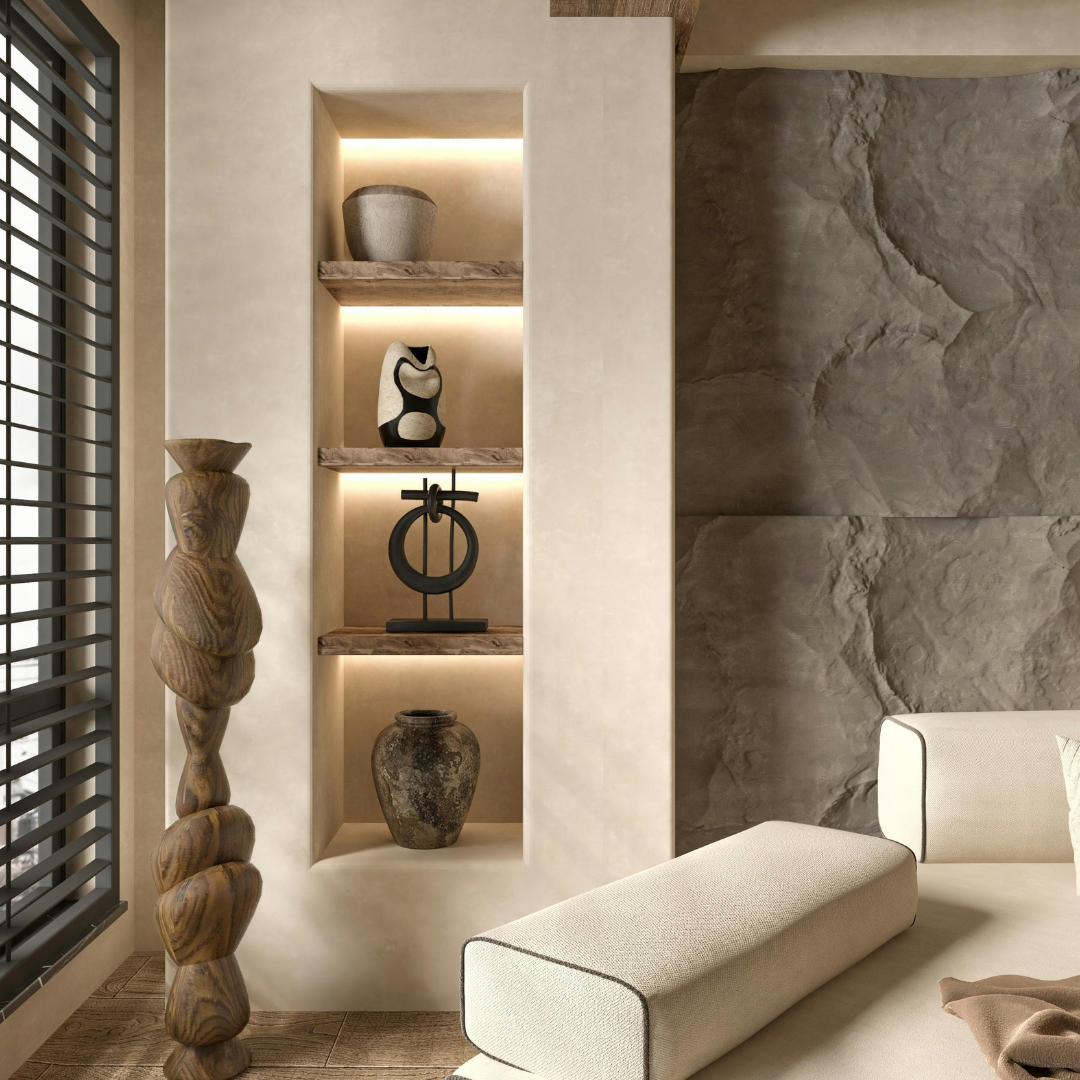
Integrating functionality and style in interior design is essential for creating spaces that are not only visually appealing but also practical. A balanced approach ensures that each room serves its purpose without sacrificing aesthetic value. Whether designing a cozy living room or a sleek kitchen, understanding how to harmonize these elements can transform any home.
In today’s fast-paced world, homeowners seek environments that offer both comfort and utility. Designers emphasize the importance of selecting furniture and decor that meet practical needs while enhancing the overall look. By prioritizing elements that provide dual benefits, spaces can become more efficient and enjoyable.
Achieving this balance requires thoughtful planning and a keen eye for detail. Choices such as modular furniture, multi-functional spaces, and strategic color palettes play significant roles. Incorporating smart storage solutions and choosing durable materials also contributes to a successful blend of functionality and aesthetics, making any home design both stylish and livable.
Establishing Foundations: Functionality and Style in Interior Design
A successful interior design balances functionality and visual appeal. This requires a clear understanding of how elements work together to create comfort and aesthetic unity. Key considerations include defining functionality, ensuring comfort, and selecting an appropriate interior design style.
Defining Functionality and Visual Appeal
Functionality in interior design refers to how well a space meets the needs of its users. This includes factors such as layout, storage solutions, and accessibility. Essential elements must be integrated seamlessly with visual appeal to create a cohesive environment.
Visual appeal is shaped by color, texture, and the arrangement of furnishings. A well-designed space should not only serve its intended purpose but also evoke positive feelings. An effective approach combines practicality with attention to aesthetics, which enhances the overall experience of the space.
The Importance of Comfort and Spatial Arrangement
Comfort is a crucial aspect of interior design. It affects how individuals interact with their environment. Factors like seating materials, room temperature, and lighting significantly contribute to comfort levels.
Spatial arrangement dictates how effectively a space can be utilized. Thoughtful placement of furniture can facilitate movement and promote social interaction. Zones within a room can be defined through furniture arrangement, enhancing both functionality and comfort, ultimately creating a welcoming atmosphere.
Selecting an Interior Design Style
Choosing an interior design style is imperative for achieving a harmonious look. Modern design embraces simplicity, focusing on clean lines. Its minimalistic approach emphasizes the essence of spaces without unnecessary embellishments.
Conversely, other styles like traditional or industrial offer varied character. Understanding each style allows a designer to select elements that resonate with personal taste while maintaining functionality. Thoughtful selection can create a perfect blend of individual expression and practical living. When designing a home, it’s also important to consider furniture, finishes, and layouts that complement the chosen style. Paying attention to these details ensures a space that is both beautiful and livable. To explore options that suit their style, clients can consult reputable sites like boconcept sydney or similar local sources, which offer insights into cohesive, comfort-focused interiors through their customizable interior and furniture solutions.
Smart Furniture and Lighting Choices for Modern Interiors
Choosing the right furniture and lighting is crucial in achieving a modern interior that combines both functionality and style. Thoughtful selections and placements can elevate the aesthetic while providing practical benefits.
Making Strategic Furniture Selections
Modern interiors benefit from furniture that enhances both form and function. Selecting pieces that offer storage solutions can help reduce clutter while maintaining a sleek appearance.
Key considerations include:
- Size: Ensure furniture fits the scale of the room. Oversized pieces can overwhelm, while too-small items may feel lost.
- Material: Opt for durable materials that complement the modern style. Metals, glass, and sustainable woods are often preferred.
- Style Cohesion: Choose furniture that aligns with a consistent design theme, such as minimalist, industrial, or contemporary.
Investing in multi-functional furniture—like sofas with storage or extendable dining tables—provides versatility and maximizes utility.
Optimizing Furniture Placement and Multi-Functional Pieces
Proper furniture placement is essential for creating an inviting and functional living space. Arranging furniture to encourage conversation and flow can transform a room’s feel.
Tips for effective placement include:
- Group seating areas to facilitate dialogue. Avoid pushing all furniture against the walls.
- Position larger pieces, such as couches, to create defined zones within open spaces.
- Use rugs to anchor furniture arrangements and delineate areas.
Multi-functional pieces, like ottomans that double as storage, can serve dual purposes without sacrificing style. They add practicality while maintaining the room’s aesthetic.
Enhancing Spaces with Innovative Lighting
Lighting plays a vital role in defining the atmosphere of a room. By integrating accent lighting and various fixtures, the overall design can be significantly enhanced.
Consider these elements:
- Layered Lighting: Combine ambient, task, and accent lighting for a balanced effect. Use floor lamps and pendant lights to add interest.
- Dimmer Switches: These allow for adjustable lighting levels, providing flexibility for different activities or moods.
- Statement Fixtures: Choose striking fixtures that serve as focal points while complementing the rest of the decor.
Thoughtfully selecting and positioning lighting can elevate the design, ensuring it remains functional without compromising style.
Elevating Aesthetics: Balancing Patterns, Color Schemes, and Texture
Creating a visually appealing space requires a thoughtful mix of color schemes, patterns, and textures. Attention to these elements can enhance the overall aesthetic while maintaining functionality.
Curating a Cohesive Color Palette
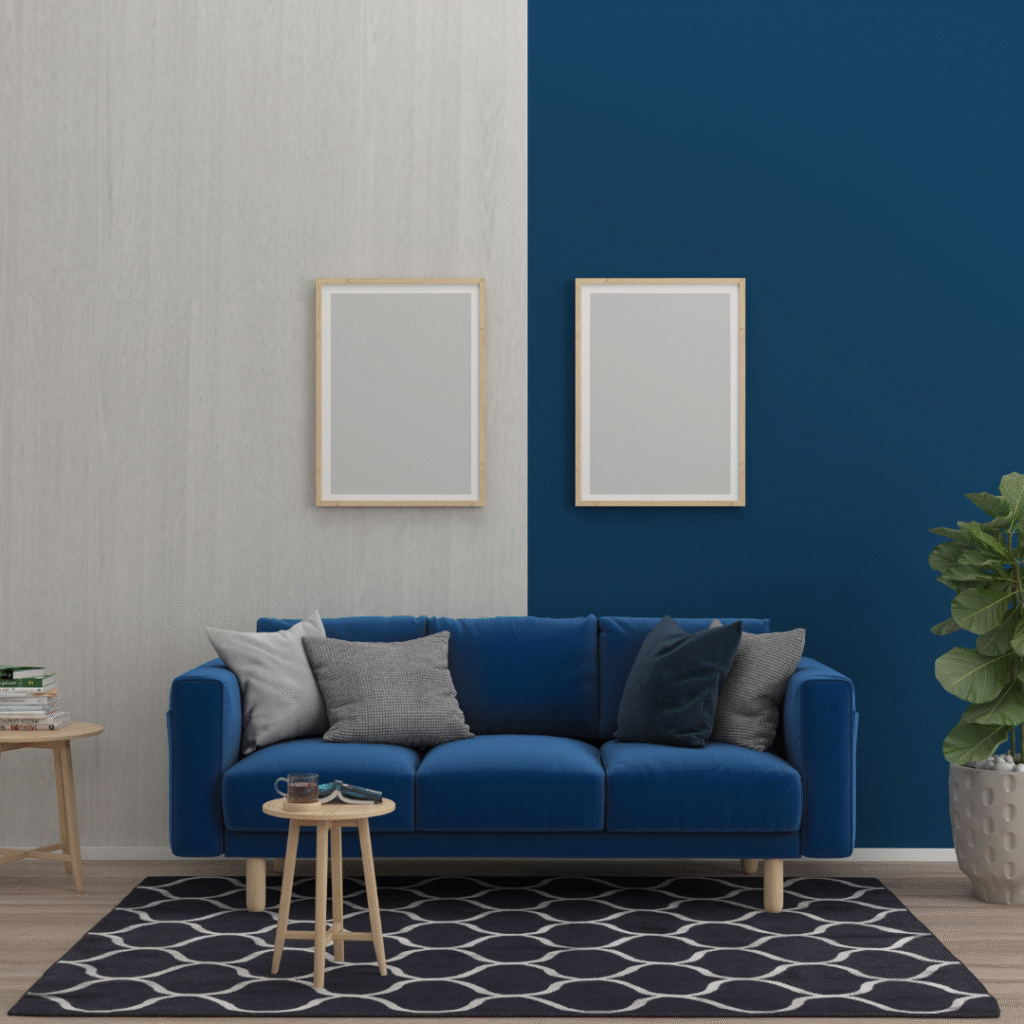
A well-curated color palette serves as the foundation for any interior design project. Selecting colors that complement each other is essential. Incorporating a neutral palette can serve as a backdrop, allowing accent colors to stand out.
Consider using a base color, then layering with two or three accent colors. These accents can appear in artworks, furnishings, or accessories. Tools like color swatches or online design apps help visualize combinations before committing.
Balanced color distribution across a room creates a harmonious flow, guiding the eye through different areas.
Using Texture and Patterns for Depth
Texture adds dimension to a space, creating visual interest. Mixing materials such as wood, metal, and fabric enhances this experience. For instance, combining a wooden coffee table with a soft upholstered sofa creates a contrast that is appealing.
Patterns can further elevate a design. Use patterns in rugs, cushions, or wallpaper to introduce personality and vibrancy. For balance, limit bold patterns to a few elements and keep larger items more neutral.
Incorporating various textures and patterns not only beautifies a space but also evokes a tactile response, making the environment feel more inviting.
Layering and Accessorizing with Décor
Effective layering enhances the dimensions of a space. Start with essential pieces like sofas and rugs, then add layers with smaller items like throws, cushions, and decorative objects. Each layer contributes to a well-rounded and inviting atmosphere.
Accessories play a pivotal role in personalized décor. Select artwork that reflects individual tastes and complements the established color palette. Keep in mind the scale of items; larger pieces can anchor a room while smaller items fill in gaps around them.
Furthermore, incorporating key focal points can elevate a room’s style. For example, electric fireplace suites serve both functional and decorative purposes, providing warmth while creating a striking centerpiece. Positioning such features thoughtfully can anchor a seating area, add a cozy ambiance, and harmonize with surrounding layers of furniture and decor.
Ultimately, thoughtful layering and accessorizing can transform a standard room into a curated space that exudes both style and comfort.
Practical Tips for Seamless Integration
Successfully blending functionality and style in interior design involves specific strategies that enhance both aesthetic appeal and usability. Here are actionable tips to achieve that integration.
Maximizing Natural Light and Decluttering
Natural light can elevate a space, making it feel more open and inviting. To enhance this effect, use sheer curtains or blinds that can easily be drawn back. Large mirrors can also reflect light, creating a brighter atmosphere.
Decluttering is crucial for a harmonious environment. Begin by removing unnecessary items. Use multifunctional furniture, such as storage ottomans or coffee tables, to maintain a tidy appearance while offering practical uses. This approach ensures that the space looks intentional without sacrificing functionality.
Incorporating Technology Thoughtfully
Modern technology can complement style without overwhelming a space. Smart lighting systems allow for customizable ambiance that enhances both design and functionality. For example, dimmable LED lights can create various moods.
Incorporating hidden technology is another effective strategy. Consider built-in speakers or wireless charging stations integrated within furniture. Such elements ensure that the technology serves a purpose without detracting from the overall aesthetic of the room.
Maintaining Simplicity and Clean Lines
Minimalist design greatly contributes to achieving a stylish yet functional space. Clean lines and simple forms create a visual flow that is easy on the eyes. Choosing furniture with minimalist designs helps maintain coherence in the room.
Color also plays a role in simplicity. Opt for a neutral palette to create a calming environment while allowing accessories to stand out. This balance ensures that decorative elements become focal points without cluttering the space.
Adapting to Changing Design Trends
Design trends evolve, but a thoughtfully designed space can adapt over time. To stay current without constant overhauls, incorporate trend-driven accessories that can be easily swapped out. Items like throw pillows or artwork can refresh a room quickly.
Understand which trends resonate with personal style and functionality. For instance, biophilic design, which incorporates natural elements, can enhance indoor environments. Choosing timeless pieces that offer flexibility ensures longevity in design while allowing for small updates that keep the space feeling fresh.


Leave a Reply