
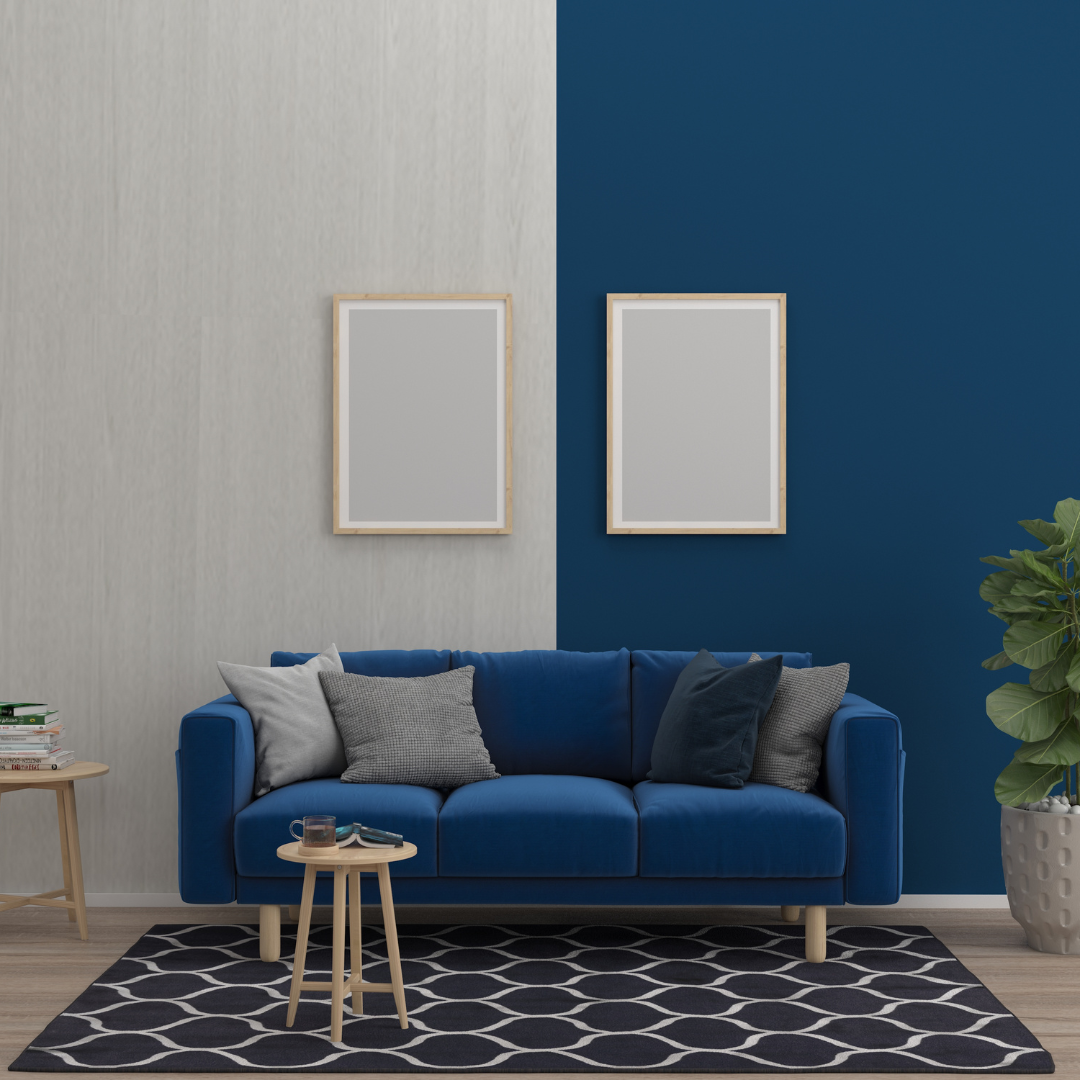
Creating a stylish and organized home office is essential for anyone looking to maximize productivity and comfort while working from home. A well-designed workspace not only enhances focus but also reflects personal style, making it more inviting and conducive to creativity. By incorporating elements of organization and aesthetics, individuals can transform their home office into a functional and appealing environment.
To achieve this, they should consider the layout, furniture choice, and storage solutions. Utilizing a combination of open shelving and closed storage can help keep vital materials within reach while minimizing clutter. Additionally, selecting a cohesive color scheme and decorative elements can elevate the overall look of the space, making it a source of inspiration rather than a distraction.
Investing time in setting up an organized home office can lead to significant improvements in workflow and efficiency. By prioritizing both style and function, individuals can create a space that not only meets their work needs but also enhances their overall work-from-home experience.
Planning Your Stylish and Organized Home Office
Creating a stylish and organized home office begins with understanding specific workspace needs, selecting an appropriate location, and establishing a coherent design vision. Each aspect plays a crucial role in developing a functional and aesthetically pleasing environment.
Assessing Your Workspace Needs
To create an effective home office, one must evaluate personal and professional requirements. Consider the type of work performed, the tools necessary, and the frequency of remote meetings.
Key considerations include:
- Desk Space: Is a large desk required for multiple monitors or extensive paperwork?
- Storage Options: Will additional shelves or cabinets be necessary for files and supplies?
- Technology Needs: What kind of computer, printer, and other tech devices are essential for daily tasks?
Assessing these needs helps in choosing the right furniture and layout. It sets a foundation for an organized and efficient workspace.
Choosing the Right Location
Locating the home office is a crucial factor in its success. The selected area should be conducive to productivity and free from distractions.
When choosing a location, consider the following:
- Natural Light: A space with sufficient natural light enhances mood and focus.
- Noise Levels: Quiet areas contribute positively to concentration.
- Accessibility: Ensure that the location is easily accessible yet separated from the main living areas to maintain a professional atmosphere.
Being intentional about location helps create a dedicated space that promotes effective work-from-home practices.
Setting a Design Vision
Establishing a design vision is about harmonizing functionality with style. It involves selecting colors, materials, and decor that reflect personal taste while ensuring usability. It can also mean addressing essentials like lighting to ensure spaces are both functional and inviting. For instance, one can look through options like custom glazed access hatch specifications, which can enhance natural light while contributing to the overall design vision. Incorporating such features strategically allows daylight to pour in, brightening the space and highlighting design details.
Key elements to think about include:
- Color Palette: Choose calming colors like soft blues or greens to enhance focus.
- Furniture Style: Opt for ergonomic furniture that meets both comfort and style needs.
- Personal Touches: Incorporate artwork, plants, or inspirational items that resonate personally.
A well-thought-out design vision ensures that the office remains inviting and motivating, fostering productivity in a work-from-home setting.
Selecting and Arranging Essential Office Furniture
Creating an effective home office involves careful consideration of desk and chair choices, the integration of standing desks, and the optimization of storage solutions. Each element plays a significant role in enhancing productivity and comfort.
Desk and Chair Selection
Choosing the right desk and chair forms the foundation of a functional office space. A desk should accommodate electronic devices comfortably while offering ample surface area for paperwork and office supplies. Adjustable-height desks are popular as they can adapt to different working styles.
When selecting a chair, prioritize ergonomic features. Look for options with adjustable heights, lumbar support, and breathable materials. A well-chosen chair not only improves comfort but also promotes better posture during prolonged work hours. Consider styles that match the office aesthetics while ensuring functionality.
Incorporating Standing Desks
Standing desks have gained traction for their health benefits and versatility. They allow individuals to switch between sitting and standing, reducing the risks associated with prolonged sitting. Many standing desks feature gas lifts or electric motors for easy adjustment.
When incorporating a standing desk, ensure it is positioned at elbow height to maintain a neutral wrist position while typing. Accessories like anti-fatigue mats can enhance comfort during standing periods. This setup encourages movement and can increase energy levels throughout the workday.
Optimizing Storage Space
Effective storage is crucial for maintaining an organized home office. File cabinets, shelving units, and drawer organizers can help keep documents and supplies accessible yet out of sight. Selecting furniture with built-in storage solutions can maximize available space.
Consider vertical storage options to utilize wall space effectively. Open shelves can display decorative items or essential office materials, adding style to the setup. Clear labeling of storage areas promotes efficiency, making it easier to locate necessary items quickly.
Organizational Strategies for a Clutter-Free Environment
Creating a clutter-free home office involves strategic planning and the right storage solutions. By focusing on decluttering and implementing effective organization methods, one can maintain a clean and functional workspace.
Decluttering and Sorting Office Supplies
Decluttering starts with an assessment of all office supplies. She should categorize items into groups: essentials, non-essentials, and items to discard. An easy method is the four-box technique:
- Keep: Frequently used items.
- Donate: Unwanted but usable supplies.
- Recycle: Damaged or outdated items.
- Trash: Totally unusable materials.
Once sorted, it’s important to have a designated spot for each type of supply. This helps in avoiding future clutter and maintaining order in the workspace. Regularly revisiting this process can prevent accumulation over time.
Storage Solutions and Built-In Shelves
Storage solutions play a critical role in an organized office. Built-in shelves maximize vertical space, providing a place for books, files, and decor without consuming floor space.
Incorporating cabinets or drawers can also help conceal clutter while keeping necessary items within reach. Utilizing drawer organizers further enhances functionality, enabling efficiency in retrieving office supplies.
Labeling storage containers streamlines the search process and maintains organization. This clarity ensures that everything has its specific location, making it easier to keep the office tidy.
Open Shelving and Shelving Units
Open shelving is an effective way to display essential items while keeping them accessible. It can add character to a workspace with the right styling.
Incorporating shelving units allows for flexibility in organization, as they can accommodate various items, ranging from books to decorative elements. Utilizing storage baskets on shelves can help contain smaller items, reducing visual clutter.
Strategically placing these units at eye level makes it easy to see and access supplies quickly. Open shelving can also inspire creativity, encouraging personal touches that enhance the overall work environment.
Incorporating Style and Maximizing Productivity
Creating a home office that is both stylish and productive involves thoughtful design choices. By enhancing natural light, focusing on aesthetically pleasing decor, and adding personal touches, one can achieve an inspiring workspace that promotes efficiency.
Enhancing Natural Light
Natural light has a significant impact on mood and productivity. Positioning the desk near windows maximizes exposure to daylight. Choosing sheer curtains allows light to filter in while offering privacy.
However, for larger openings, such as bi-fold or sliding doors and fitted wardrobes, fabric treatments often fall short. A practical alternative is plantation shutters designed to glide on guides. For example, shutters fitted to a track system can allow panels to move smoothly and stack neatly, preserving sightlines while still admitting daylight.
These bespoke tracked shutters can be tailored to unusual widths and improve thermal performance compared with some curtains, while also being easier to wipe down and maintain. Considering a tracked shutter solution gives a tidy, durable option for balancing light control and functionality in larger home-office openings.
Light-colored walls also reflect natural light, making the space feel larger. Adding mirrors can further amplify this effect, creating a brighter atmosphere.
If the layout allows, adding a rooflight or skylight can dramatically increase usable daylight and reduce reliance on artificial lighting, particularly for deep or interior work zones. When specifying these, favour high-performance, insulated units that meet U.S. building codes and minimise heat gain or loss.
For practical sourcing and certified options tailored to American architecture, one can buy skylights that are engineered for durability and energy efficiency. Proper placement and flashing details will ensure long-term performance and help maintain a comfortable, well-lit home office.
Consider task lighting as well. Desk lamps with adjustable arms can provide direct illumination for work without sacrificing style. This combination not only enhances visibility but also creates a visually appealing workspace.
Finally, controlling the amount of natural light entering a room can be easily achieved with window treatments such as hunter douglas blinds (or those from similar companies). These adjustable blinds offer optimal light filtration and privacy, allowing users to manage glare while maintaining a comfortable and productive environment.
Aesthetically Pleasing Decor
Decor plays a vital role in establishing a productive home office. Incorporating minimalist furniture can reduce visual clutter, making it easier to focus. Choose items with clean lines and functional designs to maintain an organized feel.
Adding plants can breathe life into the room. They act as natural air purifiers and contribute to a calming environment. Greenery, such as succulents or snake plants, requires minimal maintenance and offers aesthetic appeal.
Incorporate a cohesive color scheme. Utilizing a palette of three to four colors enhances visual organization and creates a harmonious look. Accent pieces, like wall art or decorative shelves, can reinforce this theme while also serving functional purposes.
Personalizing Your Home Office
Personal touches make a workspace feel inviting and comfortable. Incorporate accessories that reflect personal style, such as framed photos, artwork, or mementos. These items create a sense of belonging and can serve as motivational reminders.
Utilizing organizational tools in a stylish manner also promotes efficiency. Opt for decorative storage bins or unique filing systems that harmonize with the overall decor while keeping items accessible.
Consider the layout, too. Whether arranging furniture in a cubicle style or an open plan, it should facilitate smooth workflow and ease of movement. Tailoring the space to individual preferences enhances productivity and satisfaction in the home office setting.



Leave a Reply