
What Actually Goes Into Building a House That Lasts
There is something comforting about a house that just works. Doors close nicely, floors are not creaking upon every step, and walls remain straight after years. But the problem is, unless that durability is artificially manufactured, it doesn’t just happen. It takes careful considerations made in the building process, all of which happen well before paint swatches are chosen or cabinet pulls are decided upon.
The difference between a house that lasts and one that’s a money pit often goes back to decisions made in weeks one through three. We’re not talking about decorative elements—the first things people are generally looking for in new homes—but the things that form the structural integrity of the home that never see light of day in photographs.
The Foundation Sets Everything in Motion
A house is only as good as what it stands on. Foundations must support everything atop of them while facilitating the movement of soil beneath them and proper drainage around them; they cannot shift. They cannot crack.
These foundations support floors, walls and other foundations exerted upon them too. When builders do not take the time to excavate properly, reinforce adequately or allow for proper curing time, the rest of the house has no fighting chance.
It might be some of the least glamorous work, but cutting corners with a foundation creates cracks to open walls, doors that won’t stay closed, or uneven floors. Additionally, soil type can either help or hinder this process. Clay soils shift more than sandy soils; clay holds more moisture than sandy soils. An experienced builder will know this and be able to assess each job site and foundation design based upon existing conditions.
Sometimes a house needs a deeper foundation in addition to lateral supports or more drainage systems in concrete slabs that sit above part of this earth. Just one additional foot digs deeper into someone’s bank account but fails to take a toll on the lifespan of a structure.
Wall Construction That Actually Holds Up
Walls do a lot more than meet the eye in a house. They support roofs while withstanding wind loads, they facilitate insulation and plumbing and electrical wiring placement.
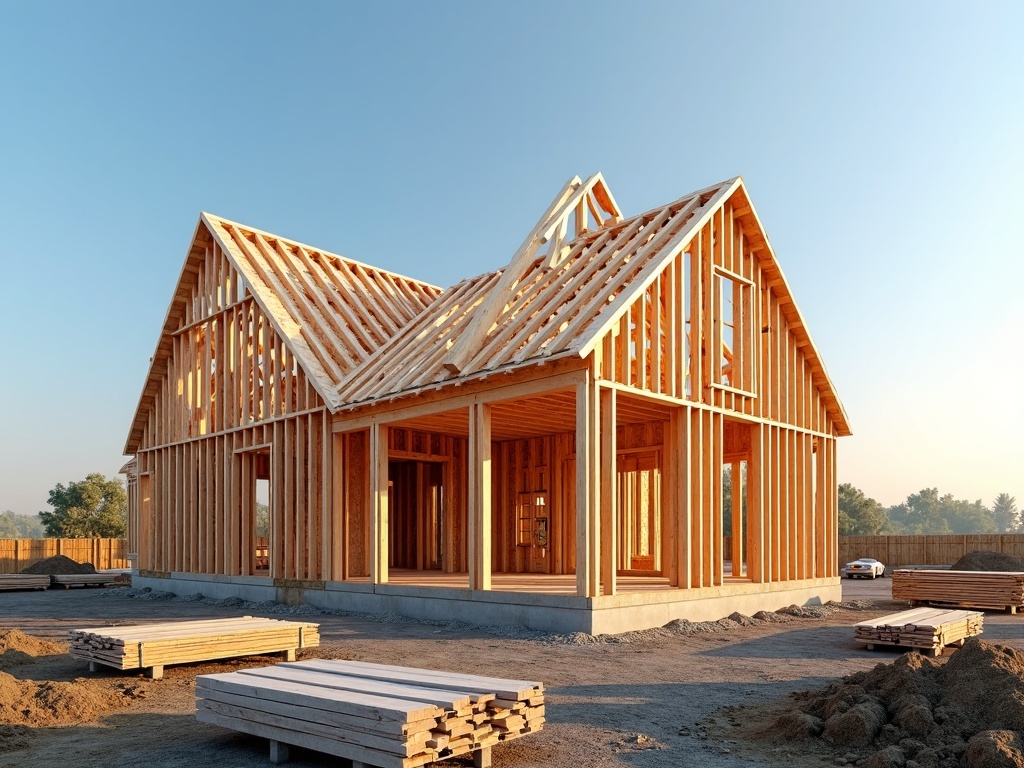
Quality wall construction uses timber that will not deteriorate over time due to moisture exposure or weight supports. For builders who operate within houses, sourcing from reputable Timber Wall Frames WA companies makes all the difference, as this helps to ensure that walls stay straight and strong throughout a home’s life.
The spacing of studs in between walls, how they’re connected to top and bottom plates and how they’re reinforced contribute to stability. When it’s built with these elements in mind, houses feel more substantial from step one.
Walls that are straight remain straight due to proper installation. If studs go up straight and plumb, they will stay straight. If something gets missed and a stud is just off by an inch, well, once drywall and finishes are placed atop of it, it only gets worse. Those with experience are consistently checking their work throughout installation, making gradual adjustments to avoid large scale ones down the road.
Roof Systems That Keep Working
Roofs receive a beating. They endure sun, precipitation, wind and drastic temperature changes. Roof systems disperse weight evenly and allow for changes without creating leaks.
They require trusses engineered for spans different from one another and coverings accommodated to climates more suited than others. Where roofs meet walls, it must be strong enough to support storm conditions without being blown apart.
Ventilation gets overlooked often, however without enough airflow in attics, moisture can build up resulting in rotting timber and insulation. A home’s roof must have good systems put into place from the start.
The Components Everyone Ignores But Shouldn’t
Once drywall is up and finishes go on, nobody sees what’s behind there—plumbing, electric or structural supports—but these components are what ultimately support day-to-day living. If plumbing goes bad inside of walls, it’s an expensive repair down the line. If electric starts arcing through non-durable outlets, it becomes a safety concern.
Hiding all these systems does not matter to builders who care; they sweat the small stuff because they understand what was required by code. They use fasteners appropriately spaced and try their best not to cut corners when people cannot see.
Down the line, it shows how these homes function and perform for the people who live inside of them.
Materials That Stand the Test of Time
Not all materials age well. Some help maintain their attributes for years with minimal adjustments while others go downhill fast—especially when exposed to moisture or different temperature elements.
Trying to make materials work inappropriately does not make sense for application as well as financial implications down the line. Treated timber where applicable outside; proper flashing around windows and doors; moisture barriers where they need to be placed.
It’s worth the extra dollar while building instead of replacing down the line. Moreover, builders who know what materials work or don’t work well with each other make a huge difference; some expand at different rates than others which can create havoc when those components meet at junctures.
Putting It All Together
Creating a house that lasts comes from respecting fundamentals—proper foundations, quality wall systems, roofs above bearing weight separated by attention paid to hidden systems and quality materials that are provided during precise seasons while keeping tabs on budgetary constraints.
None of it is sexy, but in hindsight? It works best.
These homes don’t just survive—they operate as intended for decades with sustainability and comfortability—and structural integrity—for future generations who want them for family homes instead of quickly tearing them down to rebuild from scratch.
And that’s what it’s all about—making homes for people to appreciate for years down the road instead of tearing them apart within months.



Leave a Reply