
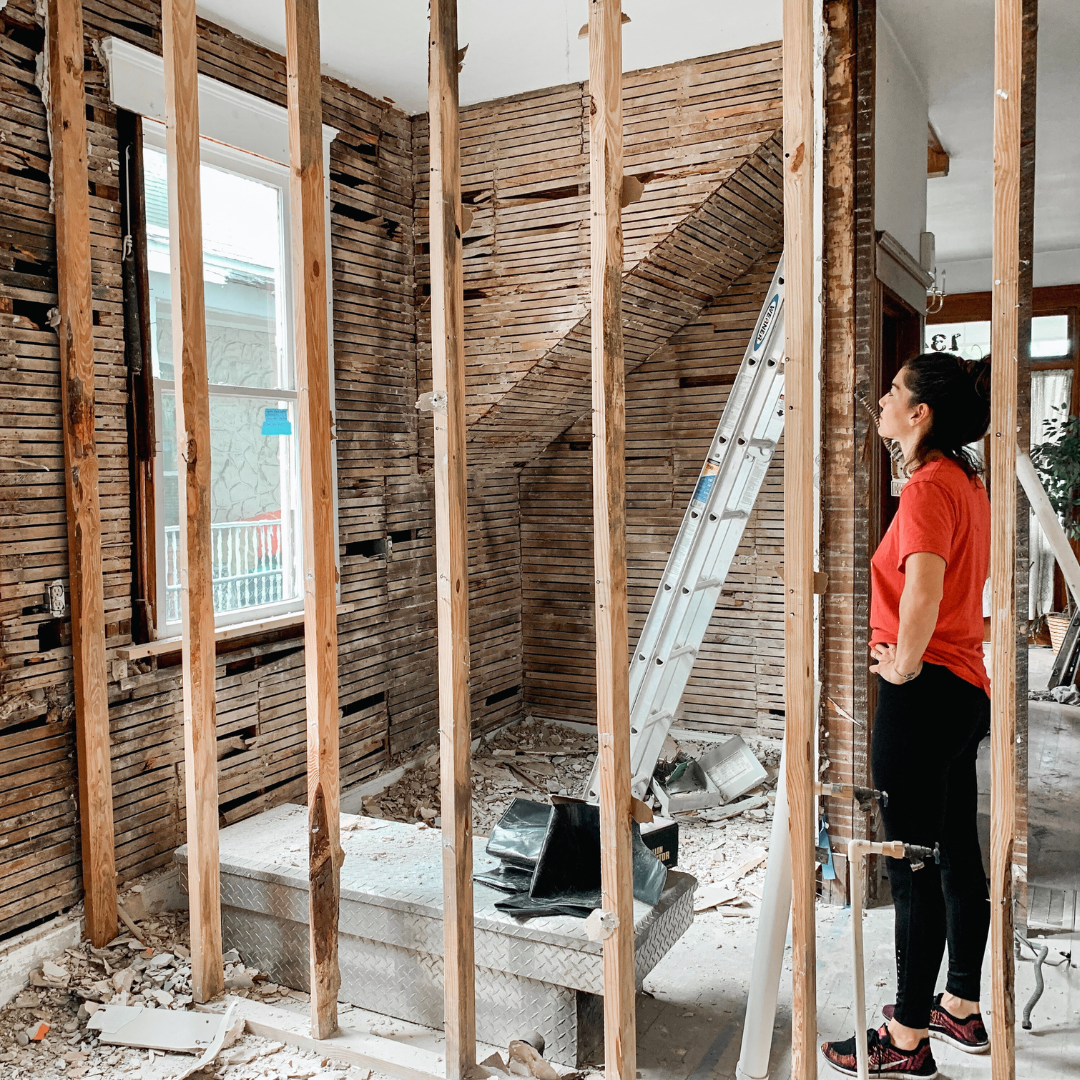
Many first-time homeowners dive into renovations with excitement, but often overlook common pitfalls that lead to costly delays and frustration. Avoiding these mistakes can save time, money, and stress throughout the renovation process. Understanding the key errors to avoid helps ensure a smoother, more successful home improvement experience.
Mistakes such as poor budgeting, underestimating timelines, and neglecting proper planning frequently trip up beginners. Recognizing these risks early allows homeowners to approach projects with realistic expectations and better preparation.
By focusing on clear priorities and realistic goals, first-time renovators can avoid avoidable setbacks and make informed decisions that protect their investment.
Critical Planning and Budgeting Errors
Effective planning and budgeting are essential to avoid common renovation mistakes. Many first-time homeowners face issues like hidden costs, unrealistic schedules, and unclear project scopes that derail their home renovation projects.
Underestimating Total Project Costs
A frequent error is underestimating how much a renovation will cost. Homeowners often focus only on materials and labor, ignoring expenses such as permits, design fees, and unexpected repairs.
To manage this, creating a detailed budget is crucial. Include all elements: demolition, waste removal, fixtures, and finishes. Researching local contractor rates and material prices helps create a realistic estimate.
Ignoring smaller expenses can cause costs to balloon. Tracking every item with a spreadsheet or budgeting app maintains control and minimizes financial surprises.
Lack of Contingency Planning
Failing to include a contingency fund can stall a project if costs rise. Renovations regularly uncover hidden issues like mold, structural damage, or outdated wiring that require extra work.
A contingency amount of 10-20% above the estimated budget is advisable. This buffer covers unforeseen problems without compromising the entire project.
Without contingency funds, homeowners may need to cut corners or pause work. This creates stress and can increase overall costs due to delays.
Unrealistic Timelines
Setting a tight or vague timeline is a common renovation mistake. Homeowners often underestimate the time needed for inspections, permit approvals, or deliveries of supplies.
Realistic scheduling involves consulting contractors and suppliers before committing to dates. Project phases should include buffer periods for unexpected delays.
Rushing a renovation can compromise quality or safety. Delayed projects also affect budgets by increasing labor and rental costs.
Inadequate Project Scope Definition
Not clearly defining the renovation scope leads to scope creep and budget overruns. Homeowners might add new tasks mid-project without adjusting cost and time estimates.
A precise scope statement should outline what will be renovated, the materials to be used, and quality expectations. This document serves as a reference to prevent unplanned changes.
Defining the scope early helps contractors submit accurate bids and plan work efficiently. It reduces miscommunication and ensures the renovation stays aligned with initial goals.
Choosing the Wrong Professionals and Materials
Selecting the right experts and products can make or break a renovation project. Mistakes in this area often lead to delays, increased costs, and poor results.
Hiring Unqualified Contractors
Hiring contractors without proper licenses or verifiable experience is a frequent error. Unqualified contractors might cut corners or fail to meet building codes, resulting in safety hazards and costly repairs.
It is essential to check licenses, certifications, and past work. Asking for references and verifying them helps confirm reliability. Avoid hiring based solely on the lowest bid, as this can indicate inexperience or poor craftsmanship.
Neglecting to Vet or Compare Bids
Many first-time homeowners accept the first bid they receive without comparing others. This can lead to overpaying or accepting subpar work.
A detailed comparison of multiple bids reveals differences in scope, materials, and labor costs. It also uncovers hidden fees. Homeowners should request itemized bids and clarify any ambiguities before committing.
Opting for Inferior Materials
Choosing low-cost, low-quality materials often backfires. These materials may wear out faster, require frequent maintenance, or diminish the home’s value.
Investing in durable materials like solid wood flooring, quality tiles, and reliable fixtures ensures longer-lasting results. Material choices should balance cost with longevity and aesthetics aligned to the home’s style.
Ignoring the Value of Skilled Labor
Even the best materials cannot compensate for poor workmanship. Skilled labor ensures precise installations and finishes that meet design intent and safety standards.
Hiring professionals with proven expertise reduces mistakes such as uneven surfaces, improper wiring, or faulty plumbing. Documenting credentials and work history guards against costly rework.
Overlooking Essential Systems and Structural Work
Many first-time homeowners focus on visible improvements while neglecting critical systems and structural components. This can lead to costly repairs and safety issues later in the home renovation project.
Skipping Plumbing and Electrical Upgrades
Failing to update aging plumbing and electrical systems can cause severe problems. Old pipes may leak or burst, damaging walls and floors, while outdated electrical wiring poses a fire risk and may not support modern appliances.
Homeowners should assess the condition of pipes, fixtures, and wiring early. Upgrading to durable materials and ensuring the electrical panel can handle current demands prevents unexpected outages and costly fixes.
Prioritize hiring qualified professionals to inspect and report on plumbing and electrical conditions. Skipping this step often results in emergency repairs during or after renovations.
Ignoring Insulation and Energy Efficiency
Neglecting insulation reduces a home’s energy efficiency and comfort. Insufficient insulation in walls, attics, or basements causes heat loss in winter and increased cooling costs in summer.
Proper insulation lowers utility bills and can improve indoor air quality by reducing drafts and moisture buildup. A first-time homeowner should evaluate areas prone to heat transfer and install suitable materials.
Energy-efficient windows, seals, and ventilation are essential complements. Ignoring these factors wastes money and reduces the value of renovation efforts.
Failing to Address Structural Issues
Structural problems, such as foundation cracks, sagging floors, or compromised support beams, must be resolved before cosmetic upgrades. Ignoring these risks can lead to severe damage or unsafe living conditions.
A thorough inspection by a structural engineer identifies weak points that require repair or reinforcement. Critical fixes might include underpinning foundations or replacing damaged joists.
Addressing these issues early prevents escalating costs and protects the integrity of all other renovation work. This step is crucial, even if it delays more visible improvements.
Design and Functionality Pitfalls
Effective renovations balance looks with usability, especially in key areas like kitchens and bathrooms. Avoiding common mistakes can save time, money, and frustration.
Prioritizing Aesthetics Over Practicality
First-time homeowners often choose materials and designs based on appearance rather than durability or ease of use. For example, selecting high-gloss laminate surfaces may look stylish but scratch easily and show fingerprints.
Furniture and fixtures should match daily habits. If someone cooks frequently, installing a fragile countertop for its color might lead to damage. Light fixtures chosen for style might not provide sufficient illumination for tasks.
Functionality means considering how a space works, not just how it looks. Balancing aesthetics with practicality ensures the home serves its owners well, reducing long-term frustrations.
Common Kitchen and Bathroom Renovation Mistakes
Kitchen renovations commonly fail by ignoring workflow — the “kitchen work triangle” between stove, fridge, and sink. It’s critical to place them within a reasonable distance for efficiency.
Choosing low-quality cabinetry can result in warping or sticking doors after exposure to water. For bathrooms, installing tiles without proper waterproofing invites mold issues.
Inadequate ventilation in bathroom renovations causes humidity buildup. Exhaust fans need proper capacity and strategic placement.
Small kitchen renovations sometimes compromise storage by focusing on open shelving for looks, but losing cabinet space. Functional storage is essential for maintaining organization.
Neglecting Long-Term Functionality
Long-term function often goes unchecked in first renovations. Homeowners may not plan for how needs evolve, such as additional family members or mobility limitations.
Installing plumbing or electrical layouts solely based on immediate preferences can complicate future upgrades. For example, placing outlets only for current appliance models limits adaptability.
Durability is key. Choosing materials easy to maintain reduces repair costs. For bathrooms, non-slip flooring prevents accidents and extends usability.
Planning around long-term use means selecting features that balance current style with future flexibility and maintenance ease.



Leave a Reply