
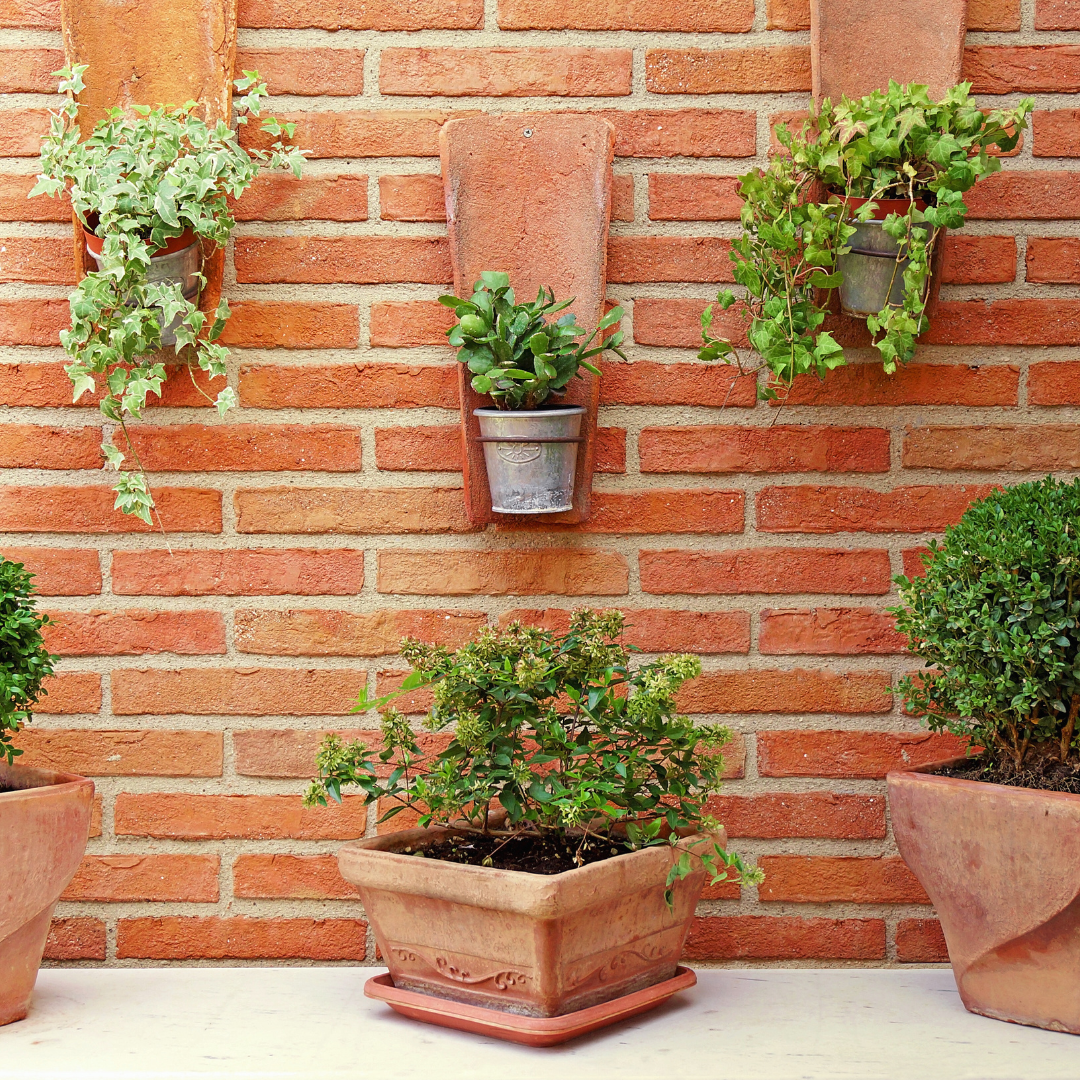
Limited spaces often present challenges for those looking to cultivate a garden. Creative vertical gardening solutions can transform even the smallest areas into vibrant green spaces. These ideas not only optimize space but also add beauty and functionality to urban environments or compact homes.
Incorporating vertical gardening techniques, such as wall planters, hanging pots, or trellises, allows individuals to maximize their gardening potential while minimizing their environmental footprint. This approach enables the growth of various plants, from herbs to flowers, catering to diverse gardening interests and needs.
As urban living continues to rise, the demand for innovative gardening solutions grows. Embracing vertical gardening creates opportunities for anyone with limited space to enjoy the benefits of gardening, including improved air quality and a calming aesthetic.
Understanding Vertical Gardening in Limited Spaces
Vertical gardening offers innovative solutions for gardening enthusiasts facing space constraints. This method maximizes limited areas while providing a unique aesthetic appeal. Key aspects include the definition of vertical gardening, its benefits for small spaces, and strategies for selecting optimal locations.
What Is Vertical Gardening?
Vertical gardening involves growing plants upwards rather than outwards, utilizing walls, fences, or specialized structures to create green spaces in confined areas. This technique not only maximizes planting space but also enhances air circulation and sunlight exposure for plants.
Common vertical gardening systems include living walls, trellises, wall planters, and hanging baskets. Each system can accommodate various plant types, from herbs and vegetables to flowers. This approach beautifies environments and contributes to sustainable practices by improving air quality and promoting biodiversity.
Benefits of Vertical Gardens for Small-Space Gardeners
Vertical gardens provide several advantages for urban dwellers and those with limited outdoor space. They elevate garden aesthetics and allow for creative design elements that draw attention to narrow areas.
Key Benefits:
- Space Efficiency: Vertical gardens maximize limited square footage, making them ideal for balconies, patios, or small yards.
- Accessibility: Plants are easier to maintain when positioned at eye level or within reach, reducing bending and strain.
- Increased Yield: By using vertical space, gardeners can grow more plants in a smaller footprint, increasing their overall yield.
This form of gardening also encourages community involvement, as neighbors may be inspired to enhance their own outdoor spaces.
Selecting the Right Location and Vertical Space
Choosing the right location is crucial for the success of a vertical garden. Factors such as sunlight, wind exposure, and accessibility must be considered. However, if there’s any confusion regarding the structural requirements or local climate needs, consider consulting with a professional Landscaper who can help ensure the design is both functional and sustainable.
Identifying optimal locations includes:
- Sunlight: Assess the amount of direct and indirect sunlight the area receives. Many plants thrive in full sun, while others prefer partial shade.
- Wind Protection: Ensure that the vertical garden is shielded from harsh winds that can damage delicate plants.
- Water Access: Proximity to water sources simplifies the maintenance process and ensures plants receive adequate hydration.
Additionally, structural stability is important. Using sturdy materials for trellises or wall planters ensures they can bear the weight of plants and soil without risk.
Many homeowners find that keeping up with these tasks takes more time than they have. Working with a professional yard care service helps keep the entire area in good shape throughout the year. For those who need help with regular yard upkeep, options like https://camberoslandscaping.com/ provide consistent care to keep plants healthy. This keeps the outdoor space green and neat without the stress of daily chores.
Creative Vertical Gardening Ideas and Structures
Vertical gardening offers innovative methods to maximize limited space. This section explores various structures and ideas that enhance the aesthetics and functionality of small gardening areas.
DIY Living Wall Panels
Living wall panels create lush greenery in small areas. They are customizable systems where plants grow in vertical arrangements against a wall.
Materials Needed:
- Wooden pallets or frames
- Landscape fabric
- Soil
- Plants (choose herbs, succulents, or decorative plants)
To create a living wall panel, start by cutting the frame to size. Attach landscape fabric to the back and sides. Fill with soil and plant selections spaced evenly. Water regularly to maintain plant health and growth.
Using Trellises and Pergolas
Trellises and pergolas add vertical height to gardens. They support climbing plants like beans, peas, or flowering vines, introducing color and texture.
Key Benefits:
- Efficient space usage
- Provides shade and decorative elements
Construct a simple trellis using wooden stakes or metal grids anchored in pots or the ground. Pergolas can be built over patios or pathways to create vertical growth spaces for climbers. Properly positioned, they enhance vertical gardening while providing additional shade.
Beyond simple trellises and pergolas, a comprehensive approach to outdoor design can transform an entire property into a cohesive and functional oasis. Professional landscapers consider all elements, from hardscaping like patios and retaining walls to softscaping such as tree planting and water features, ensuring every component works in harmony.
For those in the Calgary area seeking to elevate their outdoor living spaces, expert guidance can be invaluable. A well-executed landscape design not only enhances aesthetic appeal but also adds significant value and enjoyment to a home. Services like those offered by Blue Aspen Calgary Landscaping service often specializes in creating bespoke outdoor environments tailored to individual needs and preferences, ensuring every detail contributes to a stunning and practical space.
Repurposed Materials for Unique Vertical Gardens
Utilizing repurposed materials offers sustainable and unique vertical gardening solutions. Creative minds can transform everyday items into functional garden structures.
Ideas Include:
- Old wooden ladders
- Pallets
- Hanging shoe organizers
For example, an old ladder can be leaned against a wall. Each rung can hold pots or small planters filled with herbs or flowers. Hanging shoe organizers can also be mounted vertically; just fill each pocket with soil and plants for a vibrant living wall.
When a vertical garden is part of a larger yard redesign, planting features should be considered alongside permanent elements such as patios, retaining walls, and other hardscaping. For homeowners in Metro Vancouver, Vanskyline landscaping company works on broader landscape construction and backyard transformation projects where these elements need to function together. Planning the space as a whole can help ensure vertical planting complements rather than competes with the rest of the outdoor layout.
Vertical Gardening for Balconies
Maximizing small balcony spaces can be accomplished through vertical gardening techniques. Utilizing railing planters and wall-mounted pots creates more room for plants without sacrificing flooring space.
Practical Options:
- Wall-mounted shelves for planters
- Rail planters for herbs or flowers
Strategically placing planters along the walls or railings allows for easy access and beautiful displays. Choose lightweight containers for easier handling. Consider plants that thrive in partial sunlight if the balcony receives limited light throughout the day.
Choosing and Growing Plants for Vertical Gardens
Selecting suitable plants for vertical gardens can maximize small spaces effectively. This includes flowers for aesthetics, vegetables for edible gardening, and herbs for various culinary uses.
Best Flowers for Vertical Spaces
When choosing flowers for vertical gardens, consider lightweight varieties that can withstand various weather conditions.
Recommended flowers include:
- Petunias: They trail beautifully and come in numerous colors.
- Snapdragons: Their upright growth makes them ideal for vertical planting.
- Creeping Phlox: Great for cascading down the sides of planters.
These flowers thrive in containers and can attract pollinators. Ensure proper sunlight exposure to enhance blooming and foliage. Watering needs vary, so it’s essential to monitor moisture levels based on the chosen flowers.
Growing Vegetables Vertically
Vertical gardening works well for many vegetables. This method allows gardeners to save space while producing fresh food.
Popular vegetables to grow vertically include:
- Cucumbers: They climb easily and yield plentiful fruit.
- Tomatoes: Use trellises to support indeterminate varieties.
- Beans: Fast-growing and perfect for vertical trellises.
Proper support structures and adequate sunlight are crucial. Vegetables often benefit from consistent watering and fertilization to ensure healthy growth. Stagger planting for a continual harvest throughout the season.
Herbs and Companion Planting Options
Herbs are excellent choices for vertical gardens due to their compact growth and utility in cooking.
Effective herbs for vertical planting:
- Basil: Thrives in warm conditions and has culinary versatility.
- Mint: Grows aggressively; consider using a supportive structure to contain it.
- Oregano: Ideal for vertical arrangements, providing easy access for harvesting.
Companion planting enhances productivity. For instance, planting basil near tomatoes can improve flavor and deter pests. Awareness of growth patterns and compatibility is vital to success in vertical herb gardening.
Optimizing Care and Maintenance
Maintaining a vertical garden in limited spaces involves effective watering solutions and creative strategies to enhance visual appeal. The following points detail essential methods for care that ensure plants thrive.
Watering and Irrigation Solutions
Effective watering is crucial for vertical gardens. With limited soil space, efficient irrigation can prevent overwatering and underwatering.
- Drip Irrigation: This method delivers water directly to the roots. It’s efficient and reduces water waste. A simple system can be set up using a hose and emitters.
- Self-Watering Containers: These containers have a reservoir at the bottom. They enable plants to absorb water as needed, reducing the frequency of manual watering.
- Misting Systems: For some plants, especially in compact arrangements, misting can provide adequate moisture while preventing mildew.
Regularly check the moisture level in the soil. This helps avoid potential plant damage caused by inconsistent watering.
Maximizing Visual Appeal in Small Spaces
Visual appeal can transform a small vertical garden into a stunning feature. Careful selection and arrangement of plants play a significant role.
- Layering Plants: Use a mix of trailing, bushy, and upright plants. This adds depth and dimension.
- Color Coordination: Choose plants with complementary colors. Creating a palette enhances visual harmony.
- Use of Containers: Unique containers, like repurposed materials or geometric shapes, contribute to aesthetic variety. Hanging planters can occupy vertical space without cluttering the ground.
Incorporating decorative elements, such as garden lights or trellises, can further enhance the overall look. This approach not only beautifies the space but also makes care easier by organizing plants effectively.



Leave a Reply