
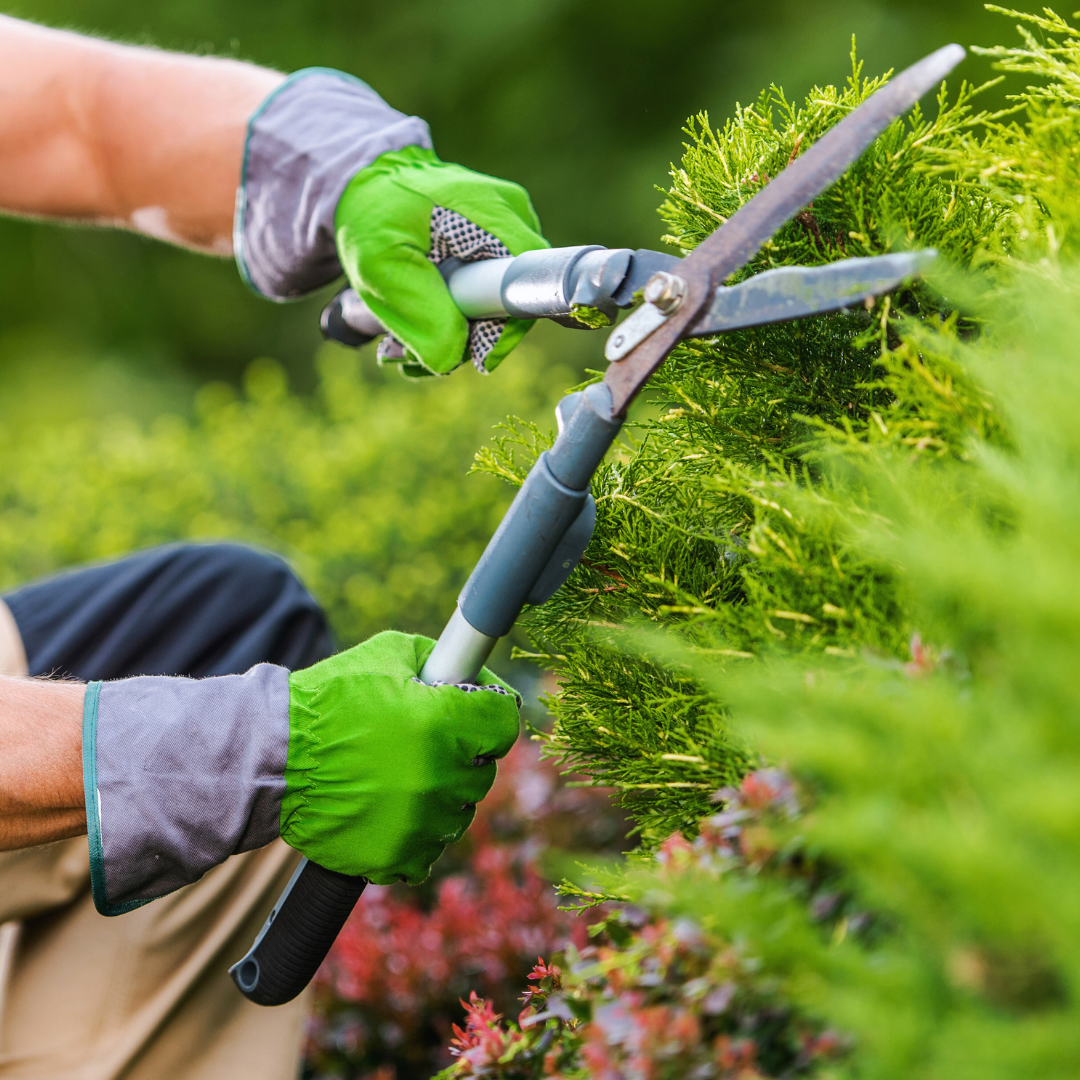
Maintaining a large garden can seem daunting for many, but with the right strategies, it becomes a manageable and rewarding endeavor. Establishing a consistent care routine, including regular pruning, watering, and fertilization, is crucial for thriving plants. By breaking tasks into daily, weekly, and seasonal chore lists, gardeners can effectively oversee their expansive green spaces.
The use of technology can significantly aid in garden maintenance. Automated watering systems and garden management apps can help keep track of plant needs, ensuring that nothing is overlooked. Additionally, investing in quality tools and resources will streamline maintenance processes, making it easier to manage even the largest gardens.
As a garden grows, so do the challenges associated with its upkeep. Learning to adapt and evolve maintenance practices not only enhances the garden’s health but also deepens the gardener’s connection to their landscape. With careful planning and dedication, anyone can enjoy the beauty and bounty of a large garden throughout the seasons.
Planning Your Large Garden
Effective planning is crucial for a successful large garden. By assessing the available space, selecting the right location, and understanding climate conditions, gardeners can create a flourishing environment for their plants.
Assessing Garden Space
Before planting, it’s essential to evaluate the available garden space. Measure the area to determine its dimensions. Consider factors such as sunlight exposure, shade from trees or structures, and the conditions of the soil.
Divide the space into zones based on sunlight and water accessibility. For example, areas that receive full sun for at least six hours daily are suitable for sun-loving plants, while shaded zones can host shade-tolerant species.
Utilize grid paper or garden planning software to create a layout that includes pathways, beds, and zones for different types of plants. This visual guide will aid in maximizing the efficiency of the garden design.
Choosing the Right Location
Location is vital for garden success. Select a site that receives ample sunlight and protects plants from harsh winds. Proximity to a water source can ease maintenance efforts, particularly during dry spells.
Soil drainage is also important. Choose areas with well-drained soil to prevent root rot. It might be beneficial to conduct a soil test to assess nutrient levels and pH balance.
Gardening also requires consideration of nearby structures. Avoid placing a garden near trees that may compete for water and nutrients or buildings that can cast prolonged shadows.
Understanding Climate and Hardiness Zone
Climate plays a significant role in plant selection for a garden. Understanding the local climate and hardiness zone helps in choosing suitable plants for the environment.
Use the USDA Plant Hardiness Zone Map to determine the specific zone for the area. This map categorizes regions based on average annual minimum temperatures, guiding plant choices that will thrive.
Consider seasonal changes and local weather patterns when planning the garden layout. Frost dates and rainfall are crucial factors affecting plant growth. Knowledge of these elements helps in planting at optimal times, ensuring a productive garden.
Equally important is assessing the types of pests commonly found in the local climate. Different regions may have specific insects, rodents, or other pests that can damage plants and spread disease. Understanding these threats helps in taking preventive measures, and hiring Pest control experts in Abu Dhabi or elsewhere can help manage infestations effectively while protecting your garden’s health.
Soil Preparation and Fertility
Proper soil preparation and fertility management are essential for a healthy garden. Focus on improving soil structure, incorporating organic additives, and selecting the right fertilizers to nourish plants effectively.
Improving Soil Structure
Soil structure affects root growth, water retention, and nutrient absorption. It is important to assess soil texture, which can be sandy, clayey, or loamy. To improve poor soil structure, gardeners should consider the following methods:
- Aeration: Use a garden fork or aerator to create holes in compacted soil, enhancing airflow and water penetration.
- Raking: Level the soil surface to facilitate even seed distribution.
- Tilling: Carefully till the soil to break up hard clumps, but avoid over-tilling, which can damage beneficial organisms.
Adding coarse materials like sand or perlite can enhance drainage, while heavy clays may require gypsum to improve texture.
Incorporating Compost and Organic Matter
Adding compost and organic matter enriches the soil, promoting biodiversity and improving fertility. Organic matter helps retain moisture and structure, making it easier for plants to thrive. Below are effective ways to incorporate compost:
- Topdressing: Spread 1-2 inches of compost over the garden’s surface. Rake it in to blend with topsoil.
- Soil Mix: When planting, mix compost into the soil at a ratio of about 1:3 (compost to soil) for best results.
- Mulching: Apply organic mulch on top of the soil to suppress weeds and retain moisture.
Regularly incorporating organic matter, like leaf mold or well-rotted manure, fosters microbial activity for improved soil health.
Nutrient Management and Fertilizer Selection
Nutrients are vital for plant growth, with nitrogen, phosphorus, and potassium being the primary ones. Soil testing can identify nutrient deficiencies. Based on the results, gardeners should select appropriate fertilizers.
- Slow-release fertilizers: These provide nutrients gradually, reducing the risk of over-fertilization.
- Organic fertilizers: Options like fish emulsion or bone meal improve soil quality and nutrition.
- Liquid fertilizers: They can deliver immediate nutrients, beneficial for potted plants.
Feeding plants according to their specific needs ensures they receive adequate nutrients for robust growth. Regular monitoring allows adjustments to prevent nutrient deficiencies or excesses.
Planting and Garden Organization
Effective planting and garden organization are crucial for a flourishing garden. Proper selection of plants, seed starting, and using the right growing systems can significantly enhance productivity and ease of maintenance.
Selecting Vegetables and Herbs
When planning a garden, selecting the right vegetables and herbs is essential. A kitchen garden can include a variety of plants such as beans, spinach, and cucumbers.
Factors to consider:
- Climate: Choose plants suited for the local climate and growing conditions.
- Companion Planting: Certain combinations, like beans with cucumbers, can benefit each other by repelling pests and optimizing space.
- Harvesting Schedule: Consider how long each plant takes to mature. Staggering planting times can ensure a continuous harvest.
Starting Seeds and Transplanting Seedlings
Starting seeds indoors allows for an earlier growing season. Seeds of vegetables such as cucumbers and herbs can be sown in trays with quality potting mix.
Steps include:
- Choose Containers: Use seed trays or pots that provide adequate drainage.
- Sow Seeds: Follow the depth guidelines on seed packets for best results.
- Transplant Seedlings: Once seedlings are robust, usually after a few weeks, they should be carefully moved to larger pots or outside to the garden.
Careful handling and acclimatization help in reducing transplant shock.
Utilizing Containers and Raised Beds
Containers and raised beds provide excellent options for gardening, especially in limited space. They allow for better soil control and drainage.
Benefits of Containers:
- Mobility: Gardeners can move containers to optimize sunlight exposure.
- Customization: Different vegetables and herbs can be grown in their preferred conditions.
Raised Beds:
- Accessibility: They reduce the need for bending and can be customized in height.
- Soil Quality Control: Filling raised beds with quality soil is key to growing healthy plants.
Both methods are effective for organizing space and can lead to a productive vegetable garden.
Ongoing Maintenance and Care
Regular maintenance ensures a garden remains healthy and vibrant. This includes proper watering, weed control, pest management, and the smart use of essential gardening tools. As part of this upkeep, addressing leftover tree stumps through Stump Grinding helps maintain a cleaner, safer, and more visually appealing landscape, ensuring every part of your garden stays functional and well-kept.
Watering Techniques and Garden Hose Use
Effective watering is crucial for maintaining a large garden. Using a garden hose with a quality nozzle can help distribute water evenly.
Drip irrigation systems can also be beneficial. They deliver water directly to the plant roots, minimizing waste and evaporation.
Timing matters; early morning or late afternoon is the best time to water. This allows plants to absorb moisture efficiently while reducing disease risk.
When using a hose, technique matters. Water the soil at the base of the plants instead of watering the leaves. This reduces fungal infections and promotes deep root growth.
Weed Control and Deadheading
Weeds compete for nutrients and water, making effective weed control vital. Regularly inspect the garden and remove weeds by hand or with a hoe.
Applying mulch can suppress weed growth and retain soil moisture. Aim for a thick layer of mulch around plants, leaving space around their bases.
Deadheading is another essential maintenance task. Removing spent flowers encourages new blooms and prevents plants from diverting energy to seed production.
Use pruners to snip off faded flowers just above the first set of leaves. This small act enhances the garden’s overall appearance and health.
Pest Management Strategies
Pest control requires vigilance and a proactive approach. Regularly monitor plants for signs of infestations. Early detection is key to effective management.
Natural predators, such as ladybugs, can help control aphid populations. Additionally, introducing beneficial insects reduces the need for chemical treatments.
For minor infestations, consider using insecticidal soap or neem oil. These are less harmful alternatives that effectively target various pests without endangering beneficial plants.
In some cases, an unusually high number of bees in the garden can create its own set of challenges. While bees are essential pollinators, over-pollination can sometimes cause flowers to mature too quickly or in odd ways.
A crowded bee population may also unintentionally damage delicate blooms as they compete for nectar and space. Additionally, large numbers of bees can attract predatory insects such as wasps, hornets, or robber flies.
These not only pose a threat to bees but also to other helpful pollinators and the plants themselves. When this happens, it’s wise to contact a professional Arizona bee removal company, or elsewhere, to safely and respectfully relocate the hive while preserving the balance of the garden.
Essential Gardening Tools
Having the right tools makes garden maintenance efficient. Essential tools include a spade for digging, a hoe for weeding, and a rake for leveling soil and removing debris. While these tools handle most day-to-day tasks, larger projects such as tree pruning or removal are often best managed by professionals like Tree Contractors NW or other trusted experts who have the skills and equipment to carry them out safely. Using tools correctly can reduce strain on the body and save time.
Regular maintenance of tools is equally important. Keep blades sharp and clean to ensure they perform well and last longer. Storing tools properly after each use also helps prevent rust and damage, keeping them ready for the next task.
Investing in high-quality tools is a smart choice for any gardener. Reliable equipment not only makes work more efficient but also contributes to the long-term health and beauty of a large garden.



Leave a Reply