
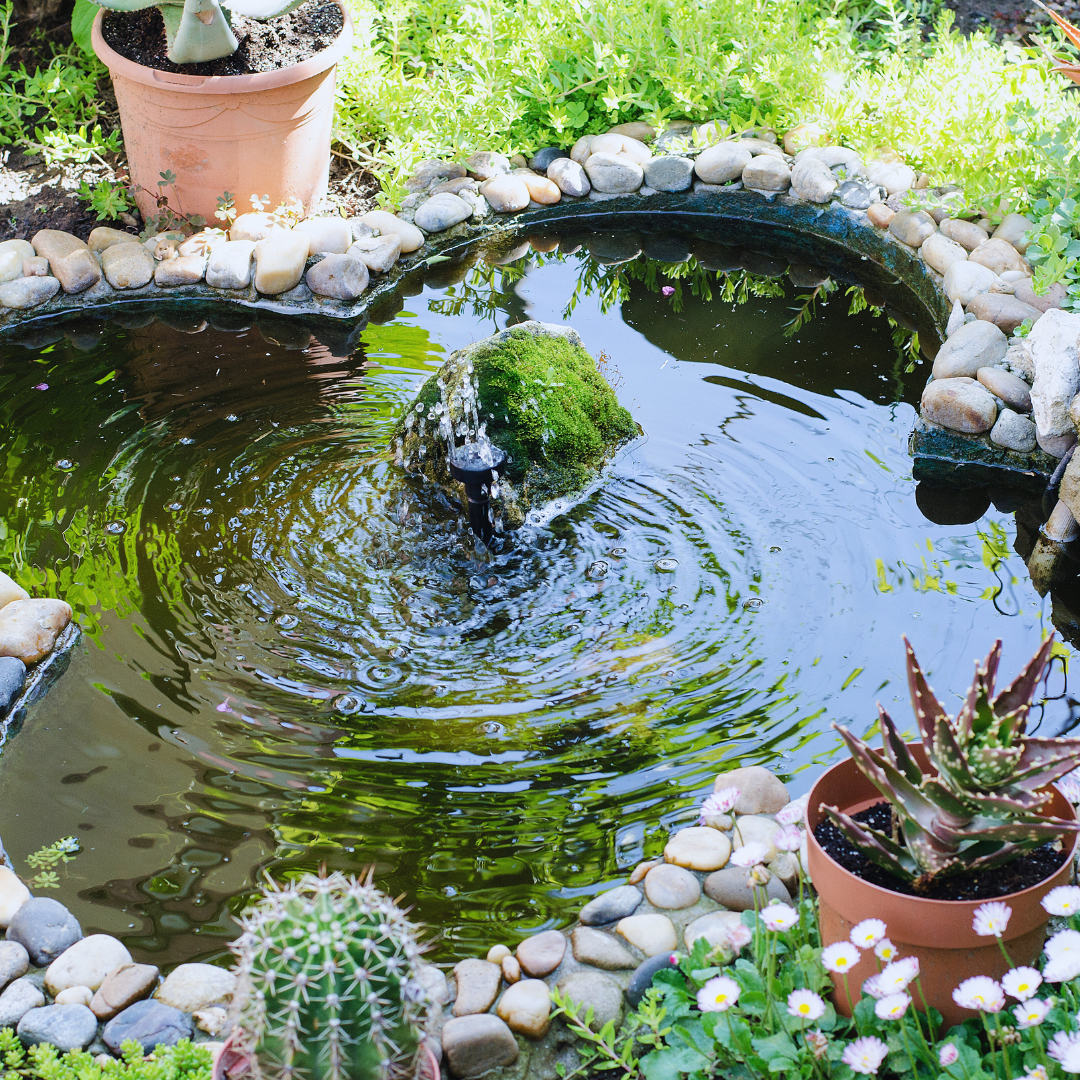
Creating a garden pond can transform an outdoor space into a serene oasis. The essential steps include selecting the right location, ensuring proper size and depth, and using quality materials for construction. This project not only enhances the aesthetic appeal but also promotes biodiversity, attracting various wildlife to the garden.
Planning is key to a successful garden pond. Factors such as sunlight exposure, water source, and plant selection must be considered to ensure the pond thrives. With careful attention to detail, anyone can enjoy the beauty and tranquility that a well-designed pond brings.
Building a garden pond is a rewarding endeavor that invites nature into the home. Armed with the right knowledge and tools, it becomes an achievable project for both novice and experienced gardeners alike. Engaging with this guide will empower them to create their own slice of paradise.
Planning Your Garden Pond
Planning a garden pond involves careful consideration of budget, location, and size. Each of these factors plays a crucial role in the success of the pond and the enjoyment it provides.
Setting a Budget
Setting a realistic budget is the first step in planning a garden pond. Factors to consider include materials, plants, fish, and ongoing maintenance costs.
| Item | Estimated Cost |
| Liner | $100 – $300 |
| Pump and Filter | $150 – $500 |
| Plants and Decorations | $50 – $200 |
| Fish | $50 – $200 |
| Maintenance (yearly) | $100 – $300 |
It is advisable to allocate a contingency fund, typically 10-20% of the total budget, for unexpected expenses. A well-planned budget helps avoid overspending and ensures the pond remains enjoyable to maintain.
Choosing a Location
The location of a garden pond influences its aesthetic appeal and practicality. Choose a spot that receives adequate sunlight, ideally 6 hours per day, to support plant growth and fish life.
Consider access to water and electricity for maintenance and filtration systems. Avoid areas under large trees to minimize debris entering the pond.
Additionally, think about the visibility of the pond from your home and outdoor seating areas. A focal point in the yard can enhance its beauty and provide a tranquil retreat.
Determining Size and Depth
The size and depth of the pond depend on various factors, including available space and intended use. A small pond may suffice for decorative purposes, while a larger one allows for fish and aquatic plants.
For fish survival, a minimum depth of 2 feet is advised.
Common dimensions include:
- Small pond: 3-5 feet in diameter, 1-2 feet deep.
- Medium pond: 8-10 feet in diameter, 2-3 feet deep.
- Large pond: 12+ feet in diameter, 3+ feet deep.
Keep in mind local climate and ecosystem influences when determining the final size and depth. These considerations ensure a sustainable and attractive garden pond.
Design Considerations
When building a garden pond, careful thought is necessary for design. Key aspects include selecting a style, incorporating landscaping elements, and adding lighting to enhance the pond’s appeal.
Selecting a Style
Choosing the right style for a garden pond is essential. Common styles include formal, naturalistic, and wildlife ponds. A formal pond often features geometric shapes and symmetry, while a naturalistic pond integrates with the surrounding landscape, mimicking a natural body of water.
Factors to consider:
- Size: Larger ponds can accommodate more fish and plants.
- Shape: Irregular edges can create a more natural look, while a rectangular design offers a classic feel.
Next comes the choice of materials for the pond, whether stone or concrete. Once these essentials are sorted, attention can shift to aesthetics. Adding elements like aquatic plants, decorative lighting, and floating ornaments can enhance the overall appeal. Additionally, pond fountains can be installed to elevate the design, and to create a dynamic atmosphere. A small waterfall or cascading feature can also be introduced for a naturalistic touch.
Incorporating Landscaping
Landscaping around the pond enhances visual appeal and creates a cohesive environment. Plants should be chosen based on their compatibility with pond conditions and desired aesthetics.
Consider including:
- Native plants: They require less maintenance and attract local wildlife.
- Buffer plants: These help filter runoff and provide habitat for animals.
Creating varying layers of plants, such as tall grasses, medium shrubs, and ground cover, adds dimension. Additionally, pathways or seating areas can encourage enjoyment of the pond.
Adding Lighting
Lighting plays a crucial role in enhancing the pond’s ambiance and safety. Underwater lights can showcase aquatic plants and fish, while surface lights can illuminate pathways around the pond.
Types of lighting:
- Solar lights: Eco-friendly and easy to install.
- LED fixtures: Long-lasting and energy-efficient.
Positioning lights strategically can highlight focal points, such as fountains or rock formations. Timers can automate lighting, creating a dynamic night-time environment without manual effort.
Materials and Equipment
Creating a garden pond requires specific materials and equipment to ensure its success. Essential components include pond liners, pumps, filtration systems, and a selection of suitable plants. Each element contributes to the pond’s functionality and aesthetic appeal.
Types of Pond Liners
Choosing the right pond liner is crucial for preventing leaks and maintaining water levels. Popular options include:
- EPDM (Ethylene Propylene Diene Monomer): Offers high durability and flexibility, great for irregular shapes.
- PVC (Polyvinyl Chloride): Lightweight and easy to install, but less durable than EPDM.
- Preformed Liners: Rigid and available in various shapes, suitable for small ponds.
When selecting a liner, consider factors such as the pond’s size, shape, and local climate. The thickness of the liner also matters; thicker liners provide better resistance to punctures and UV degradation. Investing in a quality liner can prolong the life of the pond.
Pumps and Filtration Systems
Pumps and filtration systems are essential for maintaining water quality and circulation. Key components include:
- Submersible Pumps: Efficient for smaller ponds and easy to install underwater.
- External Pumps: Ideal for larger ponds, offering higher flow rates.
- Filters: Mechanical, biological, and chemical filters help break down waste and keep the water clear.
Selecting the right pump depends on the pond’s volume and the desired water flow rate. For a compact decorative pond, one can install a submersible circulation pump to keep the water moving and support basic filtration. On the other hand, for larger setups relying on groundwater access, a well pump installation can ensure a steady flow rate suitable for maintaining healthy pond conditions. In order to determine the appropriate pump size for a garden pond, one can use the formula: Flow Rate = Pond Volume ÷ Turnover Time (in hours). A well-chosen filtration system helps sustain aquatic life and prevents algae buildup.
Choosing the Right Plants
Selecting the appropriate plants enhances the pond’s beauty and ecological balance. Key plant categories include:
- Floating Plants: Such as water lilies and duckweed, provide shade and habitat.
- Marginal Plants: Found around the edges, examples include cattails and rushes. They help stabilize the pond’s banks and filter runoff.
- Submerged Plants: Like hornwort and anacharis, they oxygenate the water and provide cover for fish.
When choosing plants, consider the local climate and the pond’s depth. A diverse plant selection promotes a healthy ecosystem and attracts wildlife.
Construction Steps
Building a garden pond involves careful planning and execution. Focus on the main tasks: excavating the pond area, installing a liner, and setting up a pump and filter.
Excavating the Pond Area
Begin the pond construction by determining the location and size. Use marking paint to outline the pond’s shape.
The excavation should be deep enough for aquatic plants and to allow for a clean-out area. Generally, a depth of at least 18 to 24 inches is recommended.
Using a shovel or a mini-excavator, dig out the marked area. It’s crucial to create a sloped gradient to facilitate easy access for wildlife and to enhance aesthetics.
Remove any sharp stones or debris from the pond bed. This task helps prevent damage to the liner. A smooth base allows for optimal water flow and encourages healthy pond ecosystems.
Installing the Liner
After excavation, it’s time to install the pond liner. Choose a liner material, such as PVC or EPDM, which is durable and UV resistant.
Unroll the liner and place it in the pond. Ensure that it drapes over the edges and that there are no holes or tears.
Smooth out any wrinkles or air bubbles, which can interfere with proper water coverage. The liner should extend beyond the edges of the pond by at least 12 inches.
Secure the edges of the liner using rocks or garden staples. This action prevents the liner from shifting or floating. Once in place, fill the pond with water slowly, monitoring the liner’s adjustment as needed.
Setting up the Pump and Filter
The final step involves setting up the pump and filter. Select a pump rated for the pond size to ensure optimal circulation.
Place the pump at the deepest section of the pond, ensuring it is stable. Attach it to the filter system, following the manufacturer’s instructions for specific connections.
Position the filter above the water level, if possible, to utilize gravity for water flow.
Connect the tubing from the pump to the filter canister, ensuring there are no kinks. Once set, plug in the pump and check for proper operation. Regular maintenance of both the pump and filter will keep the pond water clear and healthy.
Water Quality and Maintenance
Maintaining water quality is essential for a healthy garden pond. Key aspects include controlling algae proliferation and implementing regular cleaning routines. Seasonal care, particularly during winter, also plays a significant role in preserving pond health.
Managing Algae Growth
Algae can obstruct sunlight and deplete oxygen in the water, impacting aquatic life. To manage this growth, regular monitoring is critical. Employ mechanical methods, such as skimming surface algae or using a pond vacuum to remove excess.
Consider introducing aquatic plants, which compete for nutrients that algae utilize. This natural competition helps to keep the algae at bay.
If algae persist, pond treatments containing beneficial bacteria can be effective. Such products break down organic matter, improving water clarity. Always follow package instructions to ensure safe application levels.
Routine Cleaning Practices
Routine cleaning practices are necessary to maintain optimal water quality. Start by removing debris from the pond’s surface and ensuring filter systems are clean. This might involve rinsing or replacing filter media every 4-6 weeks, depending on pond size and fish load.
Inspect the pond for any dead or decaying plant material, which can contribute to nutrient overload. Regularly removing these materials helps maintain a balanced ecosystem. Testing water parameters like pH, ammonia, nitrites, and nitrates is also essential.
A water testing kit provides accurate readings, allowing for timely adjustments. Maintaining parameters within ideal ranges supports fish health and plant growth. However, if managing the entire process of cleaning the pond feels overwhelming, a professional Pond cleaning service can handle the task too.
Winter Care and Maintenance
Winterizing the pond is vital to prevent damage from freezing temperatures. If the pond contains fish, ensure there is a de-icer or aerator to keep a portion of the surface open. This allows for gas exchange, reducing the risk of harmful gases accumulating beneath the ice.
Remove any fallen leaves or debris before the first freeze to prevent decomposition underneath the ice.
For plants, consider removing tropical varieties and protecting hardy ones. Floating plants can also be secured at the pond’s bottom to prevent detachment during strong winter winds. Regular care in the cold months ensures a thriving pond ecosystem when spring returns.
Adding Aquatic Wildlife
Incorporating aquatic wildlife into a garden pond enhances its ecosystem and visual appeal. Choosing suitable fish and plants while creating a healthy environment is essential for nurturing a vibrant habitat.
Choosing Fish and Plants
Selecting the right fish species is crucial. Koi and goldfish are popular choices that can thrive in garden ponds.
- Koi: These colorful fish can grow quite large and require ample space.
- Goldfish: Smaller and easier to maintain, they reproduce rapidly, contributing to a lively pond.
When choosing plants, consider both submerged and floating varieties.
- Submerged Plants: Examples include hornwort and elodea, which improve water quality.
- Floating Plants: Water lilies and duckweed provide shade and help regulate temperature.
These plants not only offer shelter but also contribute to the pond’s ecosystem balance.
Creating a Healthy Habitat
A healthy habitat supports biodiversity and maintains water quality.
- Water Filtration: Use a filtration system to prevent algae growth and keep water clear.
- Aeration: Install a fountain or aerator to enhance oxygen levels for fish and plants.
Introduce native plants that attract beneficial insects, frogs, and other wildlife.
- Margin Plants: Species like cattails and irises establish banks and provide cover.
- Nectar Plants: Plant wildflowers around the pond’s edges to draw pollinators.
Regular monitoring for pests and diseases helps maintain the pond’s health. The goal is to create a balanced ecosystem that thrives with diverse aquatic life.
Safety Measures
Creating a garden pond involves important safety considerations to protect both people and pets. Implementing precautionary measures will help ensure enjoyment without unexpected hazards.
Protecting Children and Pets
To safeguard children and pets, fencing around the pond can be an effective safety measure. A sturdy, locked gate provides an extra layer of security. For those looking to install a durable and low-maintenance fence, considering Trex fencing is a great option. Hire professional Trex Fencing Contractors to ensure that your fence is installed professionally and meets your specific needs.
Various Other Fencing Options:
- Height: At least 4 feet to deter climbing.
- Material: Strong materials like wood or metal are preferable.
- Visibility: Use transparent fencing, such as glass or mesh, to keep the pond visible, which can help in monitoring.
In addition to fencing, it’s critical to teach children about pond safety. They should understand the risks associated with water and be supervised at all times. Providing a designated play area away from the pond can also minimize distractions.
Also, consider using barriers or floats to prevent pets from accessing the water unsupervised. Creating a separate, safe area for pets to cool off can also reduce the risk of accidents.
Electrical Safety
Electrical safety becomes crucial when adding features like pumps or lights to a garden pond. All electrical installations must comply with local electrical codes.
Key Electrical Precautions:
- GFCI Outlets: Install Ground Fault Circuit Interrupter outlets for any electrical devices near water.
- Waterproofing: Use waterproof connectors and protective casings for all electrical connections.
Additionally, ensure that cords are securely fastened and positioned to avoid trip hazards. Regularly inspect all electrical components for wear and tear. By following these guidelines, one can greatly reduce the risks associated with electricity near water.


Leave a Reply