

The Ultimate Guide to Improving Your Home Energy Performance This Year
Energy performance improvements don’t fail because homeowners pick the wrong products. They fail because the upgrades happen in isolation. A new heat pump installed into a leaky house, or a smart appliance panel wired into an outdated circuit breaker, will underperform no matter how good the hardware is. The goal here is to treat your home as a system – and attack it in the right order.
Start At The Top: The Thermal Envelope
One of the most cost-effective energy-saving moves for a homeowner is to properly insulate and air seal their attic. Insulating has an annual return on investment of 116%. This means that the energy cost savings you will realize in the first year alone from properly insulating your attic will be greater than the cost of the insulation. Over time, those savings will only grow as energy costs continue to rise.
Air sealing and insulating your attic will also make your home more comfortable and reduce the size of heating and cooling systems required to maintain comfort.
Seasonal Home Maintenance As A System, Not A Checklist
To keep your house in good shape, do certain things monthly, some seasonally, and the rest just as you can. It sounds easy in theory, sure. But when is the last time you cleaned the dryer hose? Swiffered the baseboards? Washed the windows on the north side? Vacuumed the refrigerator coils?
Out of sight should not be out of mind. Dust and dirt accumulations are grossest in places you can’t see or reach. Bathroom vent fans, for example, or behind the fridge and stove. People who don’t wear shoes indoors still track high amounts of pesticide residue inside – it’s hitchhiking on your clothes, hands, and pets, courtesy of the great outdoors. Every six months, think, for example, of rotating and flipping mattresses; washing pillows and comforters; changing fire alarm and carbon monoxide detector batteries; inspecting electrical cords for damage; and checking the fire extinguisher charge.
Your Electrical Infrastructure Is The Limiting Factor
Many energy upgrade projects grind to a halt here. You put in a super-efficient heat pump, an EV charger, a whole-home energy monitor… and find that your panel can’t actually handle that load without repeated breaker trips and/or presenting you with a fire hazard, in increasingly-fragile old wiring, every time you push it to its physical limits.
Before committing to the switch to high-efficiency gear, or an advanced smart home project, you hire an electrician to give your system a full going-over. Panel capacity, wiring gauge, grounding – you name it, every part of your building’s electrical infrastructure needs to be checked for sufficiency in handling the new electrical demand you plan to place on it. A specialist like The Wire Guy Electric is what you’re looking for, here: someone to tell you in advance whether your wiring’s really up to the challenge that you’re planning, or get stuck midway through the process with no choice but to push on and find out that it isn’t.
An outdated panel blocks more than just energy efficiency. You might encounter overheating on your new heat pump, erratic operation of whatever computerized gadgets you introduce, or the complete failure of the cheap off-brand charger you picked up online for your new electric car. Or, you know, the actual building catching fire. Just because you went and optimized your energy usage in defiance of the aging elephant in the room.
Tracking The Invisible Waste
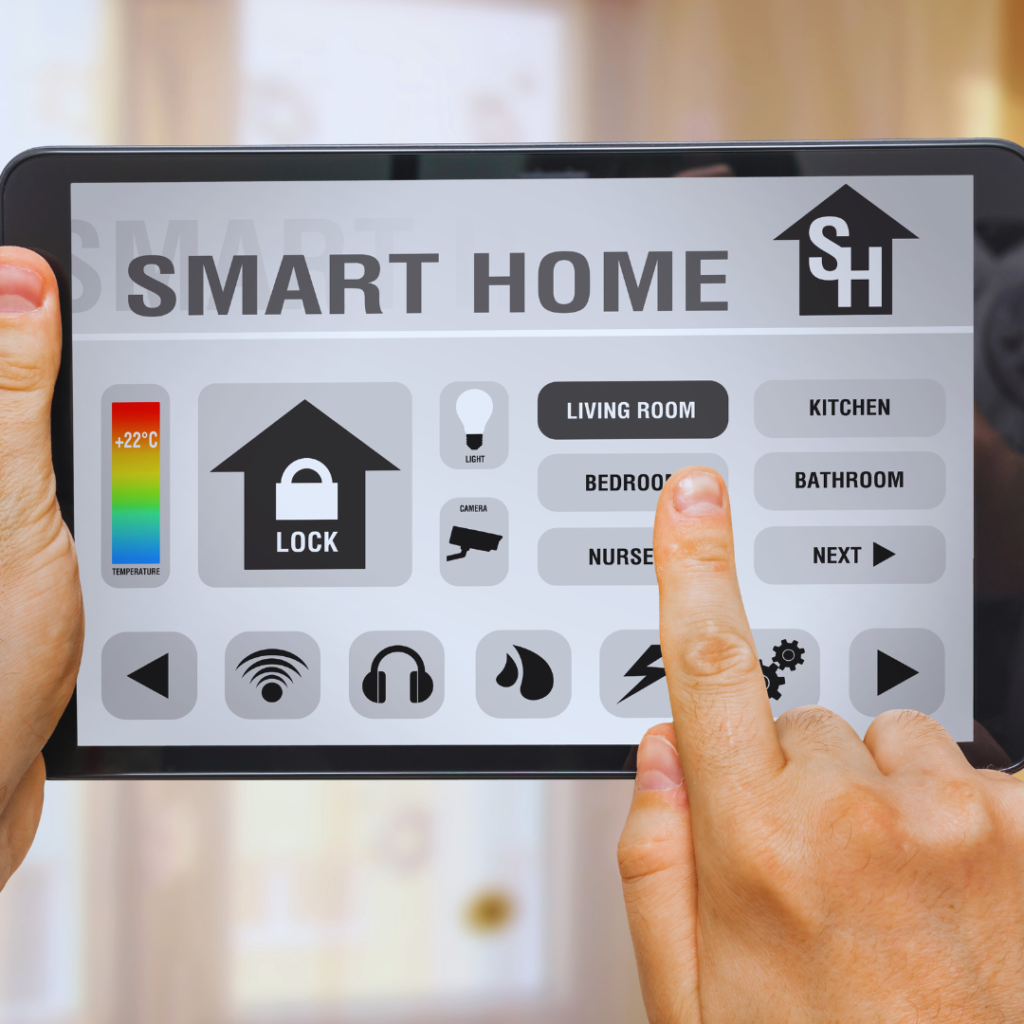
Standby power usage such as vampire energy accumulates over time, and it’s not immediately noticeable on the bill, except that your baseline power consumption is higher. Smart plugs with energy monitoring provide the visibility of individual devices, and that’s where you can make actual decisions. If you see that an old appliance or entertainment system is drawing power all the time, it’s an easy decision to upgrade.
When considering replacements, Energy Star is a good filter; while it doesn’t mean it’s the best, it certainly doesn’t mean it’s worse, which the old stuff is likely to be.
Also worth noting with regard to power draw but also cooling load in the summer: LED retrofit. Though incandescent and halogen bulbs waste most of their energy as heat, and switching to LEDs will virtually eliminate the production of that heat in rooms you use lights in.
The Payoff Is In The Infrastructure
Improving the efficiency of a house is often discussed in terms of how much it will save per month, and it will save money. But, looking at this through the lens of petty cash is not the articulate approach that is needed. Making a house as energy efficient as possible ultimately results in a superior quality, longer-lasting, and more comfortable home. This is an asset that pays back – way beyond pocket change.



Leave a Reply