

Mold and moisture can pose significant challenges for homeowners, often leading to costly repairs and health issues. Preventing these problems hinges on controlling humidity levels and ensuring proper ventilation throughout the home. Awareness and proactive measures are essential to maintaining a healthy living environment.
Regularly inspecting areas prone to dampness, such as basements, bathrooms, and kitchens, can help identify problems early. Homeowners should employ strategies like using dehumidifiers and ensuring that gutters are clean and functional to divert water away from the foundation. Simple adjustments can make a substantial difference in preventing mold growth and moisture accumulation.
Understanding the importance of these preventive steps can empower homeowners to take action. By prioritizing moisture control, they can safeguard their homes against the adverse effects of mold, ensuring a comfortable and safe living space for their families.
Understanding Mold and Moisture Problems
Mold and moisture issues in homes can pose significant risks to health and indoor air quality. Identifying the causes of mold growth and recognizing signs of excess moisture are crucial for prevention.
Common Causes of Indoor Mold Growth
Mold thrives in damp environments, making moisture a primary factor in its growth. Common sources of moisture include:
- Leaks: Plumbing leaks, roof leaks, or gaps in windows can introduce water.
- Humidity: High indoor humidity levels, often above 60%, provide an ideal setting for mold.
- Condensation: Poor ventilation can cause condensation on walls and windows, contributing to moisture buildup.
Certain areas of homes, such as basements, bathrooms, and kitchens, are particularly susceptible to mold growth due to their inherent moisture levels. Recognizing these causes is vital for proactive mold management.
Identifying Signs of Excess Moisture
Recognizing early signs of excess moisture can help prevent mold issues. Key indicators include:
- Musty Odors: A persistent, damp smell often suggests mold presence.
- Visible Mold: Black, green, or white patches on walls or ceilings are clear signs of mold.
- Water Stains: Marks or discoloration on walls indicate possible water damage.
Additional signs include peeling paint or wallpaper, soiled carpets, and dampness in corners. Monitoring these signs helps maintain a healthy living environment.
Health Effects of Mold Exposure
Exposure to mold can lead to various health issues. Common health risks include:
- Allergic Reactions: Symptoms such as sneezing, runny nose, and itchy eyes can be triggered by mold spores.
- Asthma Attacks: Individuals with asthma may experience increased frequency of attacks when exposed to mold.
- Mycotoxins: Some molds produce mycotoxins, which can lead to serious health problems over time.
Prolonged exposure can aggravate respiratory conditions and may even result in chronic health issues. Understanding these effects underscores the importance of preventing mold and moisture problems in homes. For those experiencing respiratory symptoms or needing durable medical equipment to support recovery, searching for “medical supply store near me” or similar, can help locate reliable ones that provide access to products such as nebulizers, mobility aids, and other supplies that help manage conditions aggravated by mold exposure.
Key Strategies for Moisture Control and Mold Prevention
Controlling moisture and preventing mold requires a multi-faceted approach. Key strategies include monitoring humidity levels, ensuring proper ventilation, and addressing any water leaks promptly.
Monitoring and Maintaining Indoor Humidity Levels
Maintaining indoor humidity between 30% and 50% is crucial for preventing mold. Use a hygrometer to measure humidity levels accurately.
To reduce excess humidity, consider the following methods:
- Dehumidifiers: These can effectively lower humidity levels in damp areas.
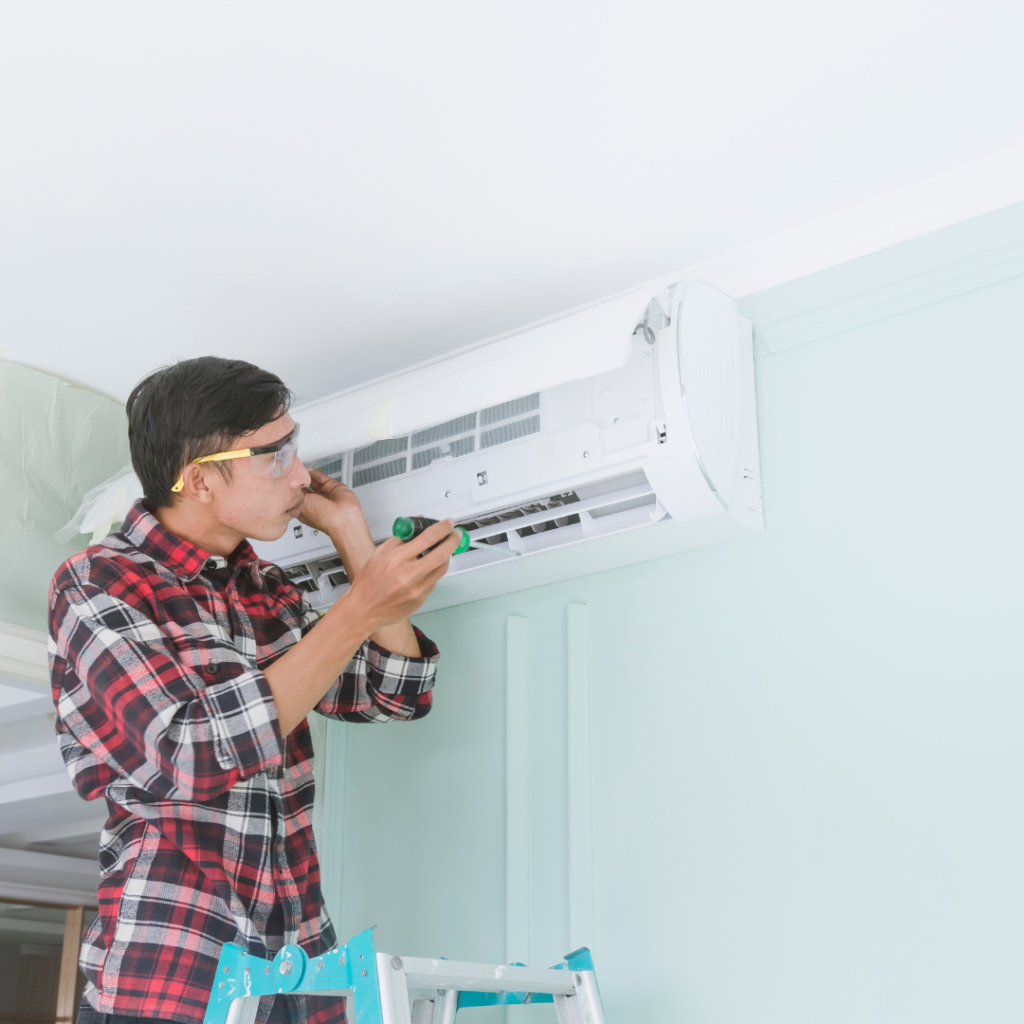
- Air Conditioning: An HVAC system not only cools but also helps dehumidify the air.
- Moisture-Absorbing Materials: Products like silica gel can be placed in closets and basements.
Regularly check areas prone to moisture, such as bathrooms, kitchens, and basements, to ensure levels remain stable.
Ventilation and Improving Air Circulation
Effective ventilation helps reduce moisture buildup and promotes air circulation.
Key strategies include:
- Exhaust Fans: Install these in bathrooms and kitchens to remove humid air.
- Windows: Open windows to allow fresh air to circulate, especially on dry days.
- Air Vents: Ensure vents are unobstructed to maximize airflow.
Consider using ceiling fans to promote air movement throughout living spaces. Regularly cleaning filters in HVAC systems also supports effective air circulation.
Addressing Water Leaks and Preventing Water Damage
Water leaks can lead to significant mold growth and damage if not addressed quickly.
To prevent problems:
- Immediate Repairs: Fix leaky pipes, roofs, and appliances promptly to avoid standing water.
- Regular Inspections: Check roofs and gutters for blockages or damage.
- Proper Drainage: Ensure drainage systems direct water away from the home’s foundation.
Preventing moisture issues begins with regular upkeep of a home’s exterior, from ensuring proper drainage to protecting walls and foundations. As these general maintenance tasks are carried out, it’s equally important to monitor the condition of the roof, since even minor wear can allow moisture to seep in. Consider partnering with a roof maintenance service company that can help property owners stay ahead of potential problems by identifying damage early and keeping the roof strong and weather-resistant.
Cleaning, Testing, and Remediation Best Practices
Effective management of mold involves using specific cleaning techniques, handling materials safely, and seeking professional testing or remediation when necessary. Maintaining clean and dry spaces not only helps prevent mold growth but also reduces conditions that attract rodents and other pests. However, persistent problems such as mice in crawl space often go beyond routine cleaning and require professional intervention to ensure complete removal and prevent further infestations. Combining preventive cleaning with expert assistance provides a comprehensive approach to protecting both the health of a home and its occupants.
Safe Cleaning of Mold from Hard Surfaces
To clean mold from hard surfaces, use a solution of water and a mild detergent or a dedicated mold cleaner. For tougher mold stains, a bleach solution can be effective. The recommended ratio is 1 cup of bleach to 1 gallon of water.
Before starting, ensure to wear gloves, goggles, and a mask to protect against mold spores and chemicals. Apply the cleaning solution using a sponge or cloth. Scrub the surface until the mold is removed, then rinse thoroughly with clean water.
Prevent recurrence by ensuring the area is dry. Consider applying a mold inhibitor to surfaces exposed to moisture.
Handling Porous Materials and Persistent Mold
Porous materials, such as drywall and carpeting, can harbor mold colonies within their fibers. If these materials show visible signs of mold damage, removal and replacement are often necessary, as cleaning alone may not eliminate the issue.
If mold contamination on porous materials is limited, they might be cleaned with a dedicated mold cleaner. However, persistent mold issues often require professional remediation. Ensuring the source of moisture is fixed is critical, as it serves as a food source for mold.
When to Seek Mold Testing or Professional Remediation
If mold covers an area larger than 10 square feet or if there are health concerns, mold testing may be warranted. Trained professionals can assess the contamination and provide guidance on remediation strategies.
Signs that professional help is needed include a musty smell, extensive mold growth, or unexplained allergic reactions. In such cases, professional services like Restoration 1 can be called, as they can detect hidden mold, safely remove contaminated materials, and treat affected areas to prevent future growth.
Long-Term Mold Prevention and Maintenance Tips
Maintaining a mold-free home requires diligence and vigilance. Focus on routine inspections, effective drainage solutions, and understanding expert recommendations to mitigate moisture issues.
Routine Home Inspection and Maintenance
Regular inspections are vital to mold prevention. Homeowners should inspect high-risk areas such as bathrooms, basements, and kitchens at least once a month. Look for signs of moisture, including water stains, peeling paint, and musty odors.
It’s essential to check windows and doors for leaks. Ensure that seals are intact and repair any damage immediately. A well-maintained home reduces the likelihood of mold growth.
Implementing a maintenance schedule can help. Use a checklist to note any areas of concern and promptly address them. Products containing mold inhibitors can be applied to susceptible surfaces.
Improving Drainage and Preventing Future Leaks
Proper drainage is crucial to mold prevention. Homeowners should ensure that gutters and downspouts direct water away from the foundation. This minimizes the risk of water pooling around the home.
Grading the landscape can also be beneficial. A slope that directs water away from the house helps prevent moisture infiltration. Regularly inspect and clear gutters to prevent clogs that can lead to leaks.
Additionally, consider installing a sump pump in areas prone to flooding. This proactive measure can significantly reduce moisture levels in basements.
Guidance from EPA and Industry Experts
The EPA provides guidelines for mold prevention that homeowners should follow. Maintaining indoor humidity levels below 60% is critical. A dehumidifier can help achieve this in damp areas.
Industry experts recommend using non-toxic mold prevention products. These can include botanical-based cleaners or chemical-free sealants that inhibit mold growth. Regular ventilation is also encouraged.
Home improvement projects that involve insulation should ensure that proper moisture barriers are in place. This helps to prevent condensation, a common issue leading to mold growth. Regularly review and update maintenance practices based on expert advice to stay ahead of potential problems.


Leave a Reply