
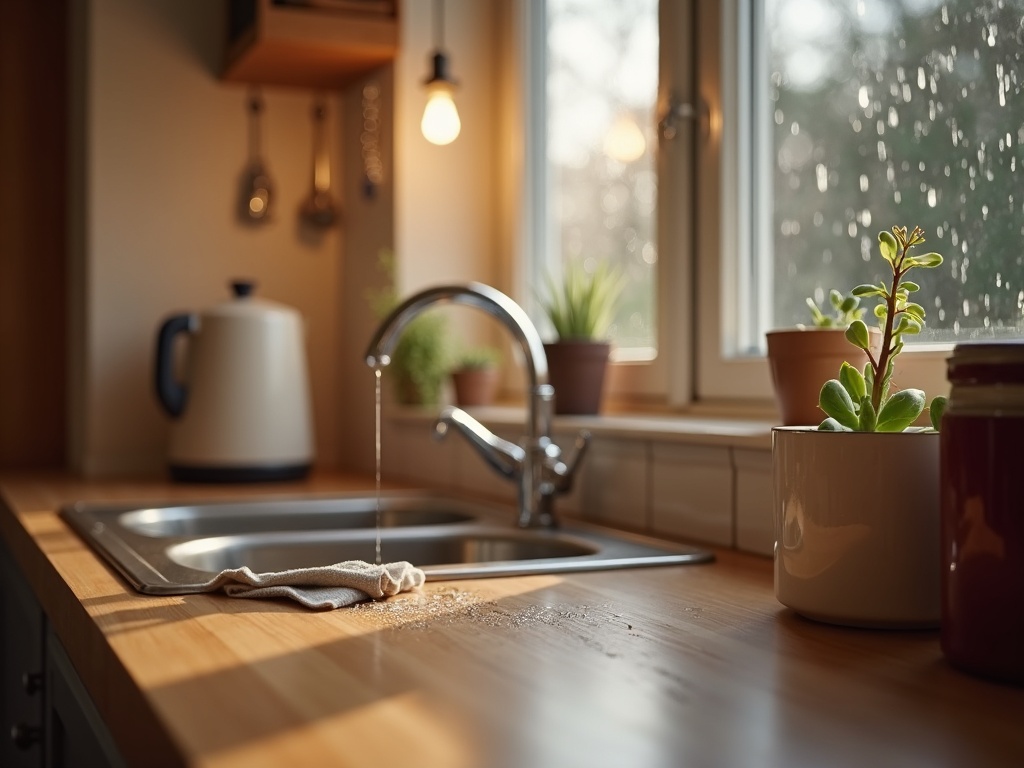
Storms, power cuts, and small kitchen scares can catch anyone off guard. The trick is to keep calm, know a few clear steps, and help each other. This is a friendly plan that keeps things simple, safe, and easy to remember.
Start calm, then act
First, take a breath. Check that everyone is okay. Shoes on, pets with an adult, and a torch where someone can grab it fast. Pick one room as the base for the night if the weather is rough, a space away from big windows is best. Keep the tone steady. When the plan is simple, people follow it without fuss.
Power cuts without the panic
When lights go out, phones turn into torches. Use one to reach the fuse box. Flip the main switch off and on once to see if power comes back. If not, leave the switches alone and report the outage to the power company. Keep the fridge and freezer closed so food stays cold. Candles seem handy, but they tip over and make smoke. A small torch or a headlamp is safer, especially if there is a gas stove in the home.
If some rooms have power and others do not, a circuit may have tripped. Unplug things in the dark room first, then try the switch again. If it trips twice, stop and get help from an adult or a qualified electrician. Never touch wires, and never stand in water while working with switches.
Tiny kitchen fires, fast and safe
Most small kitchen fires start in a pan. If oil flames up, turn the heat off and slide a lid over the pan. No water on oil, it makes the fire jump. If there is no lid, use a baking tray. Keep the lid on until the pan cools. For an oven fire, shut the door and turn the oven off. The fire will lose air and settle. For a microwave, turn it off, keep the door shut, and wait. If flames do not fade in seconds, everyone should leave the kitchen and call for help from a safe spot outside.
Keep a small dry powder extinguisher only if someone knows how to use it. Aim at the base of the flames and sweep side to side. If there is any doubt, leave and call for help. Safety first, pride second.
Storm nights and indoor leaks
Heavy rain can push water in through a roof, a window, or under a door. Wind can shake branches onto gutters and block the flow. If water gets inside, move people away from the wet area, then turn off power at the fuse box if there are plugs or cords nearby. Next, find the stop tap for the house and turn it off if a pipe or tap is the source. During a leak, it helps to have a contact ready; saving Flood Emergency Services in your phone keeps the number handy if a pipe bursts or rain gets in.
If the water looks dirty, treat it with care. Wear gloves if possible. Keep kids and pets in a dry room. Block the flow with towels while someone brings a bucket and a mop. Wipe up small puddles and wash hands with soap after. Clean water is one thing. Drain water or flood water is another, and needs extra caution.
Drying basics that actually work
Drying is a race against time. Mould can start in a day or two on damp surfaces. The fix is simple, move water out, move air in, and keep the room gently warm. Open a window if the weather is dry and not freezing. Point a fan across the wet floor toward the window. If there is a dehumidifier, run it with doors and windows mostly shut and empty the tank often. Do not blast high heat. Slow, steady warmth dries deep layers better than a hot blast that only dries the top.
Carpets hold more water than they show. Press a light towel into the fibres. If it comes up very wet after a few tries, roll back an edge so air reaches the pad and the floor below. Keep any tacks or trim in a small bag so nothing gets lost. If the water was dirty and the carpet stayed wet for a full day, it may need to go for health reasons. Clean water and fast drying give a better chance to save it.
Walls can look fine while the base is still damp. Run a fan along the skirting and feel for soft spots or bubbles in the paint. Keep doors open inside the home so air can move from dry rooms to wet ones. If a ceiling sags or drips, clear the room and ask an adult to check it. Water can pool above and fall without warning.
Keep indoor air healthy
Fresh air helps more than people think. Open windows for short times during the day, even in cool weather, to swap damp air for dry air. Use the bathroom fan during and after showers. Wipe condensation off windows in the morning. Vacuum floors when they are dry, and if possible use a HEPA filter to catch fine dust. On hard surfaces, mild detergent and warm water are the first choice. Avoid mixing cleaners. Bleach can help on tiles, but it is not great on wood, plasterboard, or carpet because it fades colour and does not reach deep.
Soft items need attention too. Rinse clean water through clothes and curtains if the leak was clean, then wash with normal detergent and dry in the sun if possible. For dirty water, use a hot wash or a cleaner that removes germs. Soft toys can be washed in a pillowcase to protect seams. Books are tricky, but pressing with paper towels and using a fan can save a few favourites. Important papers can be sealed in bags and put in the freezer to buy time, then thawed and dried later.
Simple gear that helps a lot
A small storm kit saves stress. Keep a torch, spare batteries, gloves, big rubbish bags, tape, and a basic first aid kit in one box. Add a phone charger, wet wipes, and a marker with a pad for notes. Toss in spare socks for each person. Dry feet keep moods up. Store the box where everyone can reach it. Check it every few months so the batteries still have charge.
Know where the stop tap is, and make sure at least two people can reach it and turn it. Do the same for the fuse box. A quick photo of both helps new family members learn the spots fast. If the home is rented, save the agent’s number and a simple script in notes, with space to add the time, what went wrong, and what was done.
The next day check
When the weather calms down, do a slow walk. Outside, look at gutters and downpipes, and clear leaves so water can flow away from the house. Check that garden soil slopes away from walls. Inside, feel along the bottom of walls and around doors. If any patch still feels cold and damp, run fans and the dehumidifier longer. Open wardrobe doors and kitchen cupboards for a while so trapped damp air can leave. Keep windows cracked for short times during the day to refresh the air.
Photos and notes keep things simple
Photos tell the story fast. Take a wide shot of each room, then close shots of any damage. Write short notes with times, such as, “water off at 7:10 pm, power off at 7:12 pm, fans on at 7:25 pm.” If anything needs to be thrown away, take a photo first. Clear notes help with landlord chats and any claim, and they help the family improve the plan for next time.
Practice a tiny drill
A ten minute practice makes the plan feel normal. Say out loud, “Power off,” point to the fuse box, then “Water off,” and point to the stop tap. Set one fan in the right place and open a window a little. Pack the storm kit back into the box. Time each step so everyone knows it only takes a few minutes. Smooth beats fast. Calm beats panic.
Quick wrap up
Small problems feel smaller when the plan is clear. Keep key contacts saved, know where the stop tap and fuse box are, and act early when water shows up. Use airflow and steady warmth to dry rooms, clean gently, and swap damp air for fresh air each day. Keep a simple kit where everyone can reach it, take photos, and write short notes so the next time runs even better. Share this plan with the family, try a short drill, and stay ready for the next loud night. A calm team keeps the home safe.




Leave a Reply