
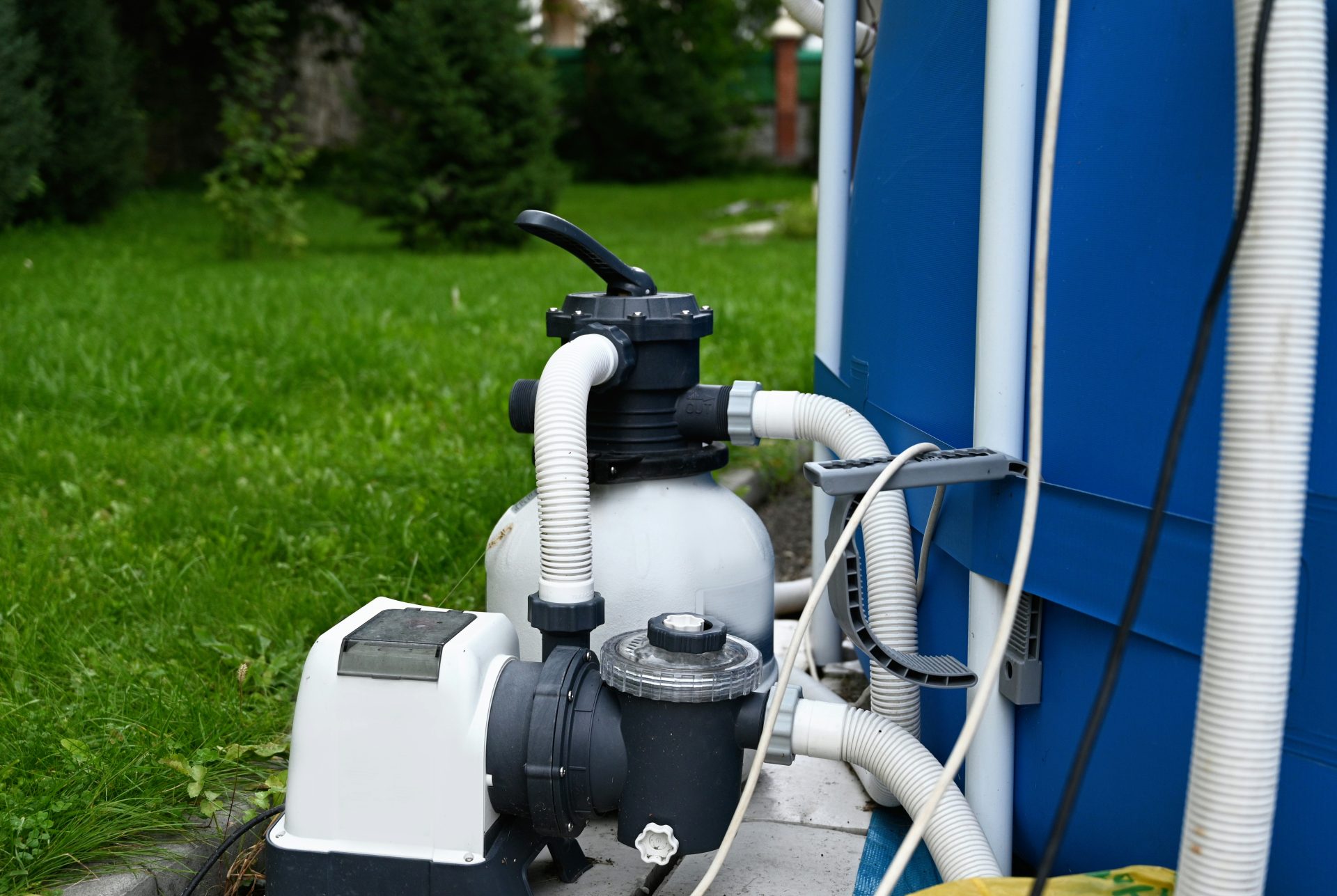
Think bore pumps are just for farmers? That idea is out of date. Bore pumps are incredibly versatile. They quietly handle some of the toughest jobs around, whether that’s keeping a large garden thriving, supplying water to livestock, or supporting off-grid households with a steady, reliable flow. What makes them so powerful isn’t just their ability to move water, but their ability to do it in almost any setting, through every season.
What Bore Pumps Actually Do
Bore pumps Perth draw groundwater up from deep underground. They sit at the bottom of a borehole, pushing water upwards through a long pipe to the surface. Because they sit well below the water table, they continue working even during dry spells when surface dams or tanks might run low.
This makes them ideal for any property that needs a consistent, year-round water source. They’re commonly used on farms, but more and more households are turning to them as well, especially in areas where mains water is limited or unreliable.
What makes them so practical is that once installed, they rarely need attention. They’re built to run quietly in the background, doing the hard work without fuss.
Why Groundwater Still Wins
Surface water supplies can be unpredictable. Dams evaporate. Tanks run dry. Restrictions tighten when demand spikes. Groundwater, on the other hand, offers a deeper reserve that doesn’t shift with every weather change.
Drawing from a bore gives you independence from local restrictions and water price hikes. It also opens up far more options in how you use water. Larger gardens, livestock operations, and even daily household tasks like laundry or flushing toilets become less of a strain on your main supply.
For many landowners, using a bore isn’t a luxury; it’s the only way to keep things running smoothly all year round.
Supporting Bigger, Better Gardens
Watering a large garden can be a challenge if you’re limited to a mains supply or rainwater tanks. You either end up rationing water, or risk overusing your storage. Bore pumps solve this problem by offering a steady flow whenever it’s needed.
This makes it easier to run timed irrigation systems or keep raised garden beds properly watered during hot spells. You don’t have to wait for the next rain to give your plants what they need. It also allows you to keep lawns, trees, and even more complex landscapes healthy, regardless of the season.
If you’re growing vegetables or fruit trees, the reliability of a bore pump really starts to pay off. Watering becomes less of a chore, and your plants get a more consistent routine, which leads to better growth and higher yields.
Livestock Need More Than Luck
Animals can’t rely on the weather, and neither can you. Cattle, sheep, goats, chickens… all need a dependable water supply every single day. If your troughs run dry, you’ve got a serious problem.
A bore pump takes the guesswork out of it. You can set up auto-refill systems or simply pump directly into tanks that feed your paddocks. The water source stays underground, protected from evaporation and contamination.
Compared to shallow dams or creeks, bore water tends to be cleaner and less likely to attract algae or bacteria, especially in the hotter months. That translates into healthier animals and fewer issues with waterborne illness. It’s not only practical, but it’s also a long-term safeguard for the well-being of your stock.
Households Are Catching On
It’s not just farms seeing the benefits. Homeowners are starting to realise that bore water can make a big difference to everyday life, especially on larger properties.
After proper filtering, bore water can be used for flushing toilets, filling washing machines, or topping up tanks when rainfall is scarce. This reduces dependence on mains water and helps cut costs over time.
Even in semi-rural settings where mains water is available, there’s a growing interest in using bore water for high-volume tasks like garden watering, outdoor cleaning, and topping up pools or ponds. It makes sense to use a free, reliable supply where you can, especially when local restrictions tighten during dry seasons.
It’s Low Effort to Maintain
One of the best things about bore pumps is that once they’re properly installed, they don’t demand much. That said, regular checks are still important to make sure everything runs smoothly.
If pressure drops, if you hear strange noises, or if the water suddenly looks cloudy, it’s time to investigate. These issues are often simple to fix when caught early.
With routine maintenance, most bore pumps last many years. And because they’re built for long-term use, they don’t require constant adjustments or upgrades. It’s more about keeping an eye on performance and making sure nothing gets blocked or worn out over time.
Water Quality Can Vary
It’s important to know that not all groundwater is the same. In some areas, the water might contain minerals, salts, or iron that need to be filtered out before it’s safe to use around the house.
This doesn’t make the system less valuable, but it does mean testing your water is a smart first step. Depending on the result, you might only need a basic filter setup to make the water suitable for gardening, livestock, or even indoor plumbing.
Once you know what you’re dealing with, it’s easy to adjust the setup to suit your needs. The flexibility of a bore system is one of its biggest strengths.
A Smart Long-Term Investment
Installing a bore pump can feel like a big decision, especially with the upfront costs. But over time, the pay-off is clear. Less reliance on mains water. More control over when and how you use your supply. Better outcomes for your land, your animals, and your household routines.
There’s a reason these systems have been trusted for decades. They work. And as weather patterns shift and water becomes more tightly controlled, having your own secure source just makes sense.


Leave a Reply