
The Most Common Mistakes Homeowners Make with Air Conditioner Maintenance
Many air conditioning issues we encounter are not a result of a faulty component, but rather, from a homeowner’s attempt to cut corners on maintenance to save a few bucks, ultimately cutting short the lifespan of their unit. And, all this damage is entirely avoidable.
Closing vents in rooms you don’t use
It may seem counterintuitive, but closing vents actually reduces energy efficiency. When you close a vent, the conditioned air is redirected to other open vents in your home. This disrupts the pressure balance in your HVAC in Phoenix, AZ system and forces it to work harder to distribute air throughout your home. This can lead to air duct leaks, increased energy consumption, and higher energy bills. It could also cause damage to your HVAC system over time.
Ignoring the air filter until it’s grey
This is probably the most commonly mismanaged piece of equipment in your home. A dirty filter chokes airflow, and the blower motor has to work harder to push air through it. That shows up on your energy bill and on your equipment’s lifespan. The DOE says that a clogged filter can lower a system’s efficiency by as much as 15%. And given enough time, that restricted airflow will cause your evaporator coil to freeze, turning a $20 filter into a four-figure repair bill. The majority of residential filters need to be changed every 1-3 months, but if you live in a particularly dusty area or have a lot of shedding pets, you may want to shorten that window.
Asking for a refrigerant “top-off”
Refrigerant is not comparable to oil in a car that is used up and needs to be changed. If your unit is low, it means that it has leaked refrigerant somewhere. In almost all cases, this will be in a joint or coil, as tiny as a few millimeters. Topping it up without making a repair will give you a couple of weeks until you’re back to being low and paying for the refrigerant twice. A technician who only recharges without resolving the problem is not a good deal.
Pressure-washing the condenser coil
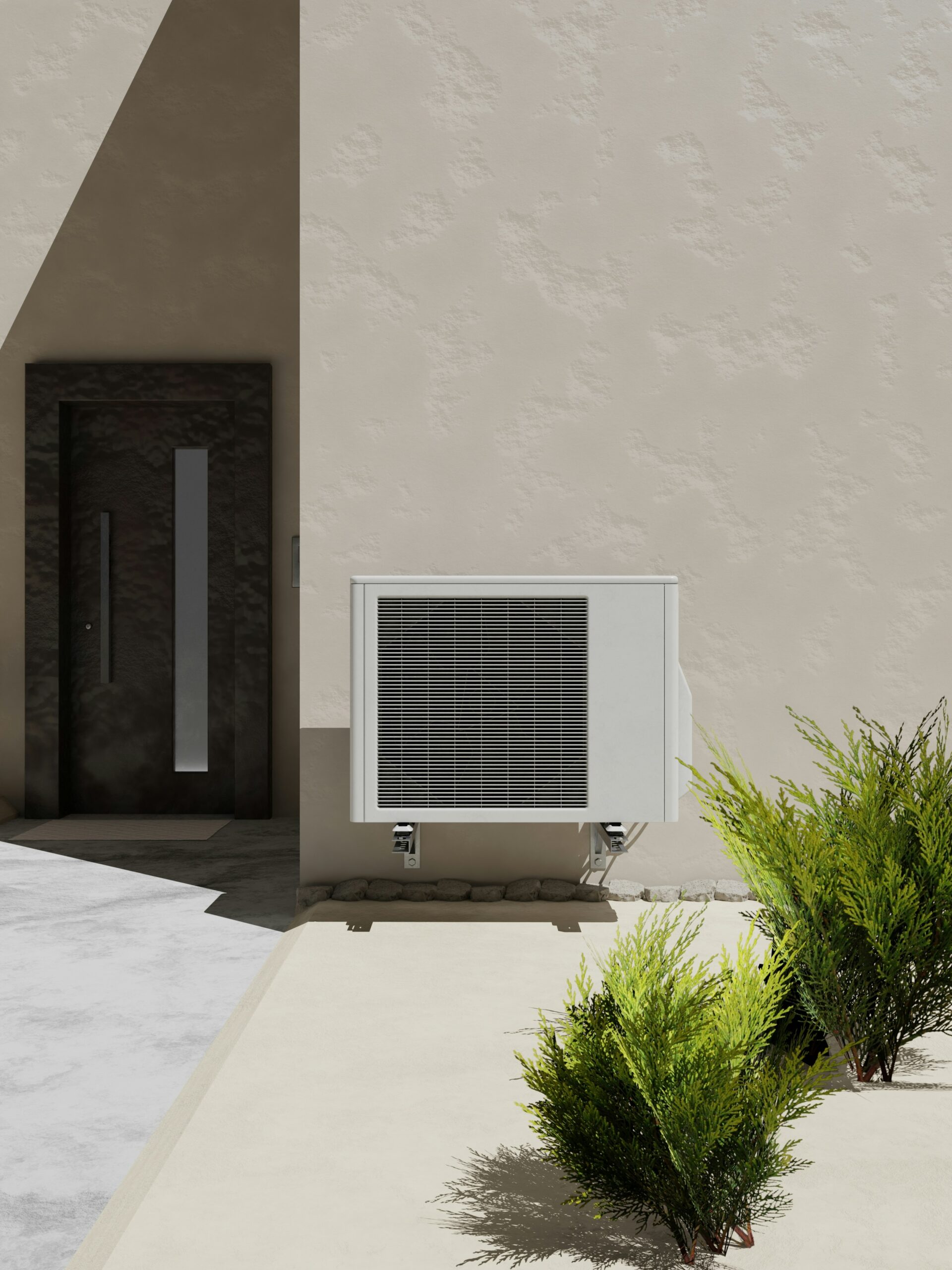
Outdoor HVAC units can get dirty quick, particularly in dusty or high-pollen areas where the grates are frequently blocked by debris. It seems like a no-brainer to grab a powerful pressure washer and simply blast away the gunk, but this is also one of the quickest routes to damage. The aluminum fins on a condenser coil are extremely thin, and there’s no easier way to transform them into a bent mess than with the direct spray of a high-pressure nozzle. Bent fins restrict airflow across the coil nearly as effectively as the dirt they replaced, and it’s not a simple job to try and hammer them back into their original configuration.
A light rinse with a garden hose, sprayed from the inside outward, gets the worst of the dirt and debris and is about as aggressive as a homeowner should get. Leave chemically treated coil cleaning solutions, deep-seated debris, and fin combing to the pros.
Running a unit that’s clearly struggling
If you notice ice buildup on the coil, hear a grinding or squealing noise, or smell something burning near the indoor unit, these are all red flags that should prompt you to turn the system off. You should not try to tough out the uncomfortable temperatures. If a unit continues to run with ice buildup on the coil, the evaporator coil can crack, resulting in an expensive repair. The burning smell could be a capacitor or motor winding about to go, and the longer you run it in that condition, the more likely it is that you’re looking at a compressor rather than a $150 capacitor as the repair. When it sounds or smells wrong, the answer is off, not “let’s give it some time and it might fix itself”.
Skipping the annual tune-up
This is the mistake that makes all the others worse. A yearly professional visit catches early coil corrosion, a capacitor that’s testing weak, a condensate line that’s starting to clog with algae, a refrigerant charge that’s drifting low before it becomes a leak you can hear hissing. None of that shows up if you wait for the system to fail outright.
It matters more here than in milder climates. When summer temperatures regularly sit above 105°F, an AC failure isn’t just an inconvenience, it’s a health risk, particularly for kids, older adults, and pets. A system that limps along all summer on a weak capacitor or a slightly low charge is far more likely to quit completely during the exact week you need it most. That’s also usually the week every other AC in the neighborhood fails too, which means longer waits for emergency repair.
If you’re overdue for that inspection, it’s worth getting on a local contractor’s schedule before peak season hits rather than after your system has already given up. A properly licensed provider will know how heat loads in this climate wear on capacitors, coils, and refrigerant lines differently than they do in milder regions, and can catch the small failures before they become July emergencies.
The pattern behind all of it
Every error here is based on the notion that your AC basically runs and repairs itself. None of these are particularly costly to repair in themselves; rather, the full cost is what you pay for neglecting a minor issue and pushing it to the point where it causes more significant damage. Regular care and attention are what keep your system going for its expected lifespan, rather than simply hoping for the best.




Leave a Reply