
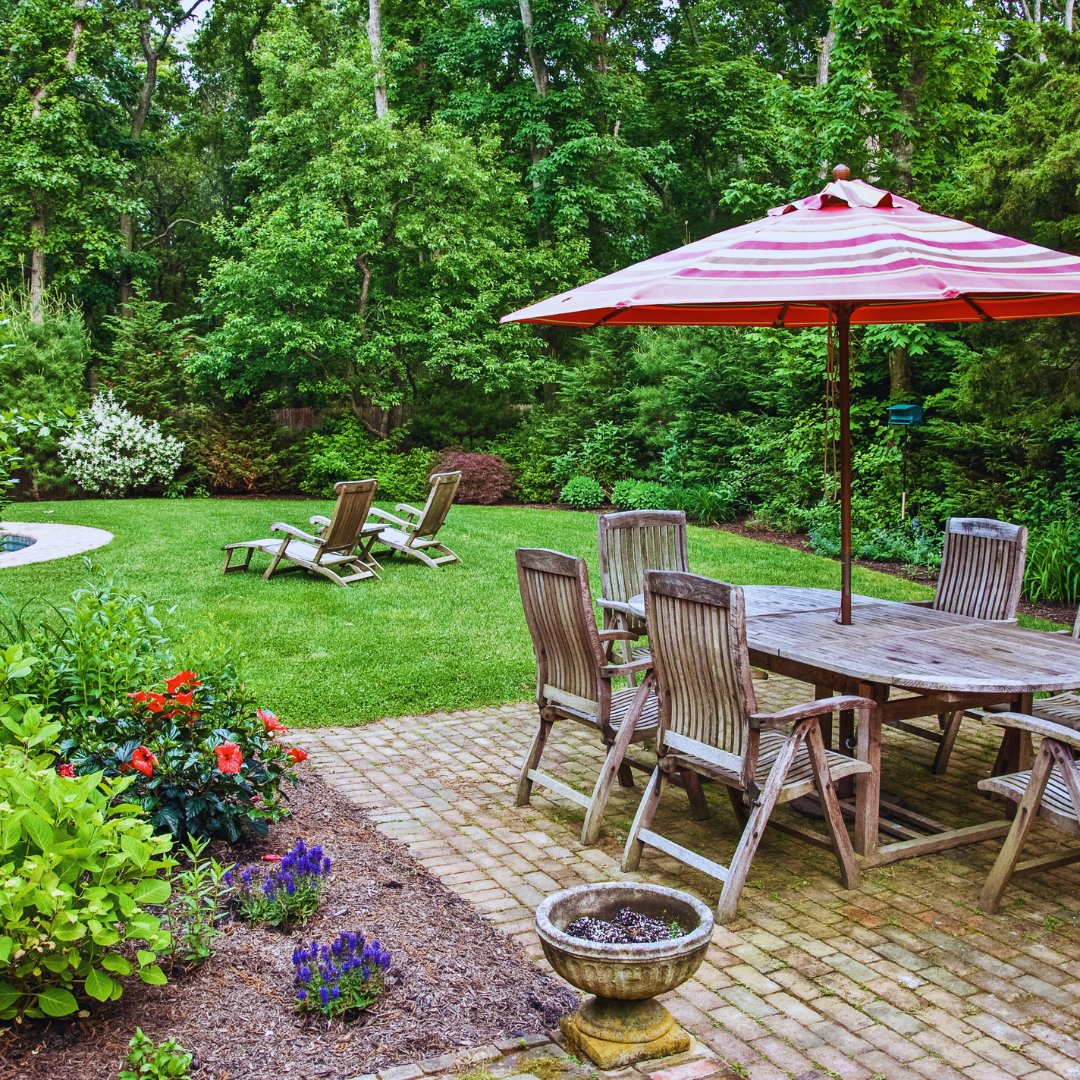
Creating a small backyard garden space offers an excellent opportunity to enhance outdoor living while enjoying nature. The key to effective garden design in a limited area is maximizing functionality and aesthetic appeal through smart planning and plant selection. Thoughtful landscaping can transform even the tiniest outdoor space into a serene retreat or a vibrant gathering spot.
Incorporating elements such as vertical gardening, multi-functional furniture, and carefully chosen plants can optimize a small yard’s layout. Effective backyard design considers sunlight, soil type, and the overall atmosphere desired. By implementing these strategies, one can establish a garden that not only saves space but also complements the home and lifestyle.
Assessing Your Space and Setting Priorities
Understanding the specific characteristics of a small backyard is crucial for effective garden design. By evaluating the space, determining a style, and prioritizing essential elements, one can create a cohesive and functional garden.
Evaluating Size, Shape, and Sunlight
Begin by measuring the dimensions of the backyard. Knowing the total square footage helps in planning which plants and features can fit within the area. Consider the shape of the yard as well; irregular shapes can add unique character but may require creative layouts.
Sunlight exposure plays a critical role in plant selection. Observe how sunlight travels across the yard throughout the day. Areas that receive full sun will support more diverse plantings compared to shaded zones.
Maintain a map of the yard to visualize where the light, shade, and any obstacles like trees or buildings are located. This will guide future decisions about plant placements and garden features.
Defining Your Garden Style and Theme
Deciding on a garden style sets the tone for the entire space. Options range from modern minimalist designs to more traditional cottage gardens. Each style has distinct characteristics, such as plant selection and layout.
Consider personal preferences and how the garden will be used. If entertaining is a priority, incorporating an outdoor kitchen or seating area may be beneficial. Conversely, someone seeking a tranquil retreat might prioritize a garden room with seating among foliage.
Create a mood board with images representing desired styles, colors, and layouts to clarify the vision. Taking this step helps in establishing a cohesive theme.
Establishing Your Must-Haves
Identify essential elements that must be included in the garden design. These might range from seating arrangements, pathways, or designated areas for planting. A defined list assists in prioritizing choices when space is limited.
Incorporating elements such as vertical gardens can maximize space while adding greenery. Consider functional and aesthetic needs, ensuring that all must-haves work harmoniously within the yard’s dimensions.
Additionally, allocate resources wisely by evaluating costs for the materials and plants. This ensures that key features, like an outdoor kitchen or a specific type of garden room, can be integrated without compromising the overall design.
Essential Elements of Small Backyard Garden Design
Creating a small backyard garden requires careful consideration of various elements to maximize space and enhance the aesthetic appeal. Key components include plant selection, focal points, hardscaping, and outdoor furniture. Each plays a critical role in achieving an inviting and functional garden.
Choosing the Right Plant Selection
Selecting the right plants is vital for any small garden. Focus on using drought-tolerant plants and ornamental grasses, which typically require less maintenance and water. Such plants can thrive in limited space while providing texture and color.
Incorporate a mix of heights and shapes. For example, taller plants placed at the back or center of the garden can draw the eye upward, creating an illusion of more space. Layering plants also enhances visual depth.
Consider seasonal color variation as well. Choosing plants that bloom at different times ensures continuous interest throughout the year. Native plants are often ideal, as they adapt easily to local climates and attract beneficial wildlife.
Incorporating Focal Points and Garden Rooms
Focal points are essential in small spaces to create visual interest. These can be features like a stately pergola, a striking sculpture, or even a vibrant flower bed.
Creating “garden rooms” by using plants, trellises, or hardscaping can help define different areas within the yard. For instance, a cozy seating nook can be framed with flowering shrubs and complemented by a pathway leading visitors there.
Mixing textures and colors in focal areas adds dynamic character while maintaining cohesion for the overall design. Spaces can be designed for specific activities, such as relaxation or entertaining, by incorporating appropriate features and decor.
Another way to establish a garden room without compromising openness is by introducing low-visual-impact partitions that preserve sightlines to greenery and sky.
For instance, strategically placed glass panels can protect a seating area from wind and rain while maintaining a seamless connection between house and garden. Furthermore, designers increasingly recommend slim, customizable solutions like perfect glass walls for any garden to create subtle enclosures that maximize light and views.
Ultimately, when combined with carefully selected paving and planting, these elements form elegant focal points that extend your living space outdoors, making the garden feel both inviting and functional.
For homeowners aiming for a more cohesive, high-end transformation, partnering with a landscape firm that translates concepts into detailed plans can make a big difference. Teams that provide 3D visualization and coordinate directly with builders help resolve layout, material, and drainage decisions before construction begins, reducing costly changes onsite.
This collaborative workflow ensures hardscaping, planting and outdoor rooms are integrated with the home’s architecture and the client’s lifestyle. To view examples of bespoke residential landscapes and the design–build process, click here to learn more.
Utilizing Hardscaping and Paving Materials
Hardscaping is crucial in small backyard design, as it provides structure. Paving materials such as stone, brick, or concrete can create inviting walkways and patios while offering durable surfaces.
Incorporating hardscape elements like raised beds or retaining walls can add vertical space. This approach allows for more planting opportunities without compromising ground space.
Additionally, choose materials that match the garden aesthetic. Textured stones or smooth pavers can influence the garden’s vibe. Integrating practical elements like seating walls or fire pits enhances functionality, creating spaces for social interaction.
Also, when selecting paving for a compact yard, homeowners should weigh durability, maintenance, and style, concrete often strikes a balance between all three. For those who want the look of natural materials without the upkeep, options like stamped finishes can convincingly mimic brick, stone, or wood while providing a seamless, low-maintenance surface.
Working with experienced installers also helps address important details such as sub-base preparation and drainage to avoid cracking and settling over time. Local teams that specialise in concrete patio installation services can offer tailored solutions that fit a small space and complement the home’s design.
Integrating Outdoor Furniture and Lighting
Outdoor furniture choices should balance style and functionality. Opt for compact, multi-use pieces like benches or folding chairs to save space. Outdoor furniture should coordinate with the garden’s theme to maintain a cohesive look.
A practical next step is to choose seating that suits size, material and maintenance needs: modular, weather-resistant pieces make it easier to create a defined seating area without overcrowding. Consider materials such as synthetic rattan, powder‑coated aluminium and quick‑dry cushions for low upkeep; specialist suppliers like Just Garden Sofas can help compare construction and care options, including bespoke covers.
When laying out seating, leave clear circulation space and orient groups toward a focal point to encourage use. These small decisions ensure durable, comfortable seating that complements a compact garden’s form and function.
Lighting significantly impacts the atmosphere and usability of a small garden at night. Outdoor lighting, such as string lights, lanterns, or solar path lights, creates a warm ambiance while ensuring safety along pathways.
Incorporating both functional and decorative elements in lighting helps highlight focal points and unique features. Integrated lighting designs can extend outdoor enjoyment into the evening, enhancing the overall experience of the space.
Creative Solutions for Limited Spaces
Designing a small backyard garden requires innovative strategies to maximize the available area. The following approaches can help create a functional and aesthetically pleasing garden.
Raised Beds and Vertical Gardening
Raised beds elevate the planting area, allowing for better soil drainage and easier access. With limited ground space, they offer a practical solution for growing vegetables and flowers.
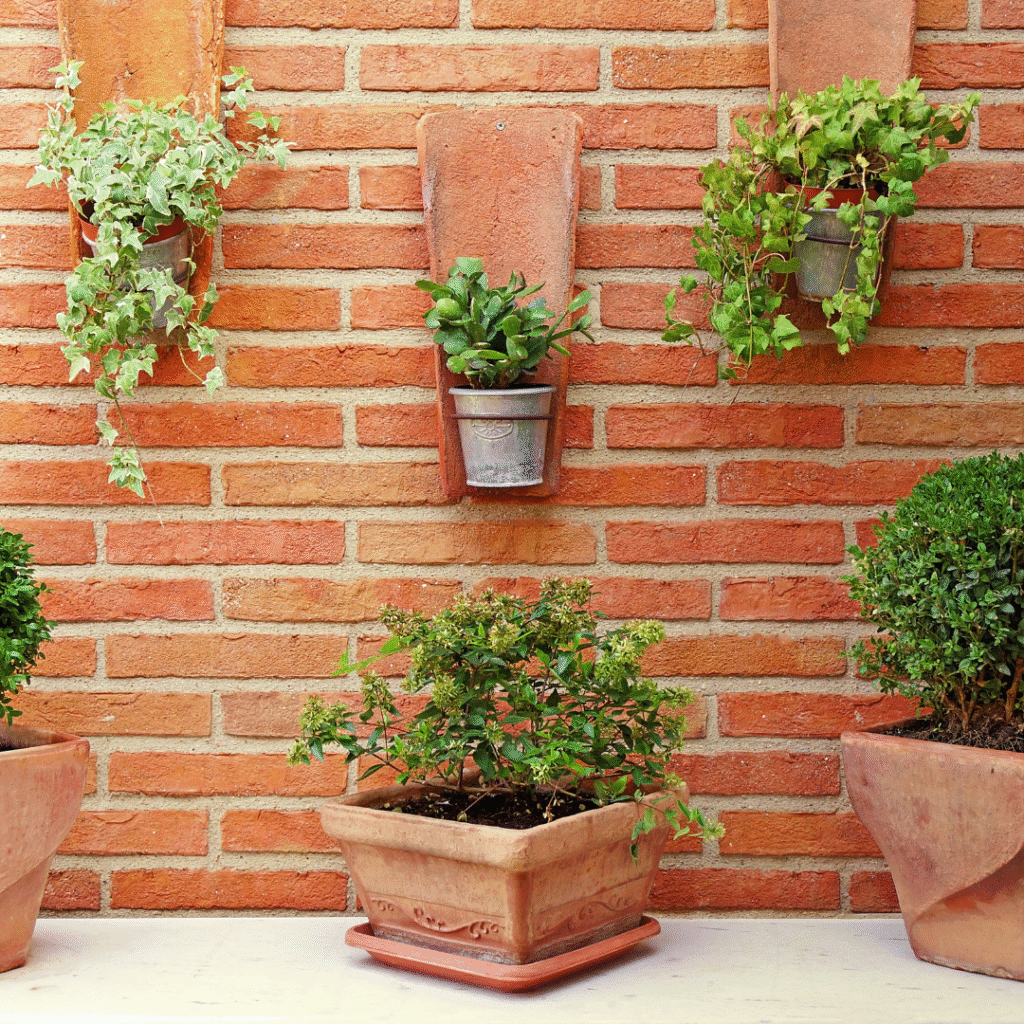
Vertical gardening involves using walls, fences, or trellises to support climbing plants. This technique not only saves space but also adds visual interest.
Utilizing containers alongside raised beds can diversify plant options. Herbs, salad greens, and even small fruit plants thrive in these spaces.
Here are some tips for implementing raised and vertical gardens:
- Choose the right materials: Wood, metal, or composite materials are popular for raised beds.
- Select hardy plants: Opt for plants that grow well in confined spaces, such as tomatoes, cucumbers, and beans.
Incorporating Water Features and Compost Areas
Water features, like small fountains or ponds, can enhance the ambiance of a limited garden. They attract beneficial wildlife and promote a relaxing atmosphere.
To conserve space, consider integrating a compost area into the garden design. Compost bins can be compact and hidden within existing structures.
Maintaining an efficient compost system contributes to soil health and reduces waste. Here are the key elements to consider:
- Keep compost bins close to garden beds: This allows easy access for adding materials and retrieving rich compost.
- Use a worm bin for extra efficiency: It fits well in limited spaces and accelerates the composting process.
Maximizing Multi-Functional Areas
Creating multi-functional areas allows one to use space creatively. Combining seating, gardening, and storage can transform a small yard.
Design areas that serve various purposes, such as a table that doubles as a planter. This maximizes utility without sacrificing comfort.
Incorporate benches with built-in storage for garden tools to keep clutter down. Consider using outdoor furniture that complements the garden while being practical.
To achieve this:
- Select foldable or stackable furniture: These options save space when not in use.
- Install shelves for plants: They can hold decorative pots while providing additional planting space.
By adopting these creative solutions, a small garden can flourish, becoming both beautiful and functional.
Maintaining and Evolving Your Garden
Regular upkeep and thoughtful adaptations are essential for thriving garden spaces. Proper care ensures plants remain healthy, while periodic changes keep the garden dynamic and visually appealing.
Seasonal Care and Maintenance Tips
To ensure a garden flourishes throughout the year, seasonal maintenance is crucial. In spring, focus on pruning dead branches and removing debris to promote new growth. Fertilizing plants with a balanced formula supports healthy blooms.
Summer demands attention to watering schedules. Mulching helps retain moisture and suppress weeds. In fall, cutting back perennials prepares them for winter, while planting bulbs can provide early spring blooms. Winter maintenance may include checking for snow load on branches and protecting delicate plants from extreme temperatures.
Key tasks should include:
- Weeding: Regularly inspect for unwanted growth.
- Mulching: Prevent weeds and retain moisture.
- Fertilizing: Apply appropriate nutrients during active growth months.
Working with a Landscape Professional
Engaging a landscape professional can elevate a small garden to new heights. These experts offer insights on suitable plants and layouts tailored to specific environments. They design harmonious spaces that consider light, soil type, and existing structures.
Clients benefit from the knowledge of landscape architects, who prioritize sustainability and aesthetics. They may propose methods for evolving gardens, such as incorporating native plants or creating habitats for local wildlife.
When hiring a landscape professional, consider:
- Experience: Verify past projects and client references.
- Sustainability: Discuss eco-friendly landscaping ideas.
- Innovation: Look for creative solutions that fit individual preferences.
Involving an expert can simplify the complexity of garden evolution while ensuring enduring beauty.



Leave a Reply