
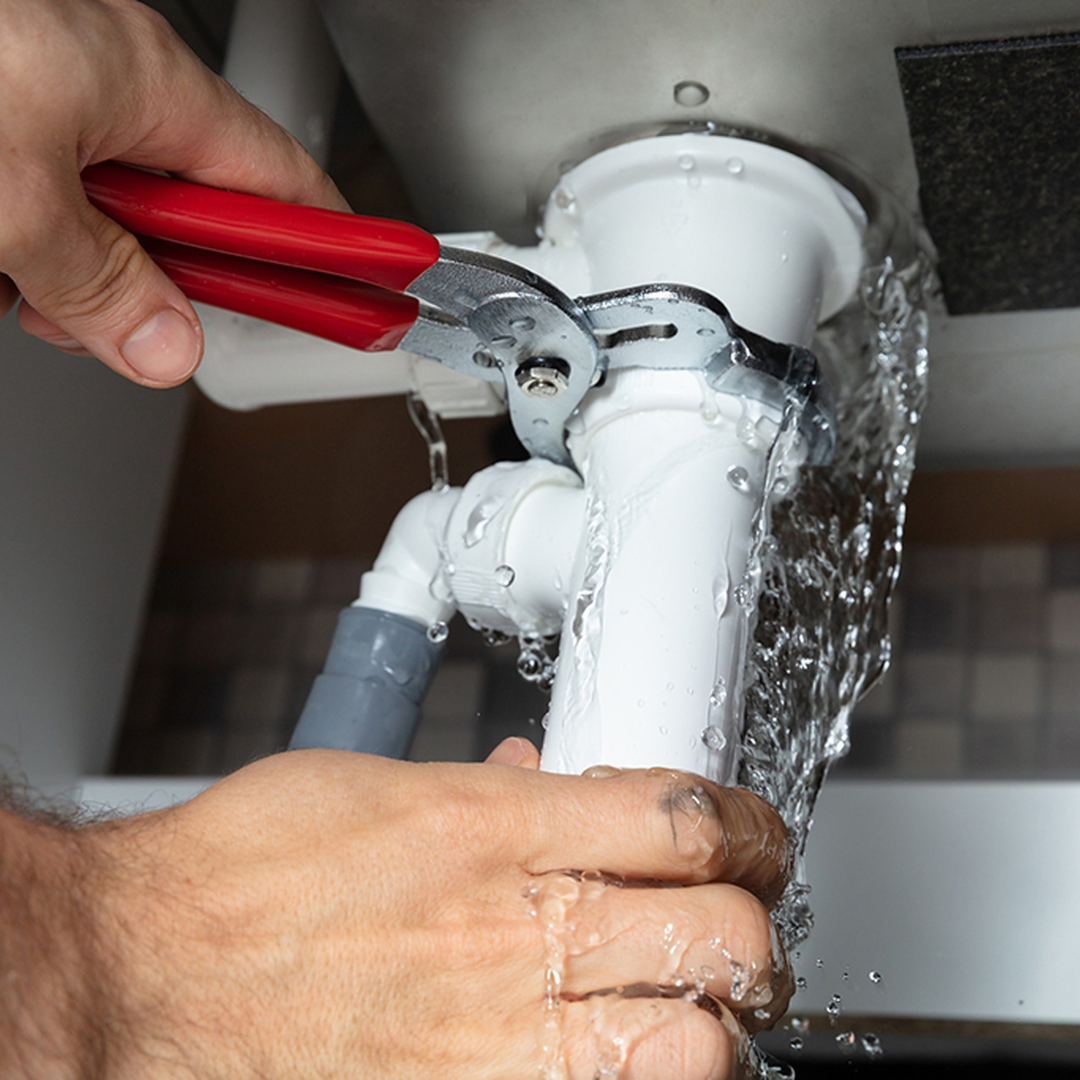
Homeownership brings many responsibilities, and plumbing maintenance is one that should not be overlooked. Regular upkeep can prevent costly repairs and extend the lifespan of plumbing systems. Implementing simple plumbing maintenance tips can save homeowners time, money, and hassle in the long run.
Routine inspections and minor adjustments can catch issues before they escalate. Simple practices like checking for leaks, maintaining water pressure, and ensuring proper drainage can make a significant difference. Homeowners should make these tasks a part of their regular home care routine to avoid major plumbing disasters.
Understanding the basics of plumbing maintenance empowers homeowners to address issues promptly and efficiently. With a few straightforward strategies, they can keep their plumbing systems in excellent condition and enjoy peace of mind in their homes.
Essential Plumbing Maintenance Practices
Regular plumbing maintenance is crucial for every homeowner to prevent potential issues. By adhering to specific practices, they can avoid costly repairs and ensure efficient water flow. Here are key practices to consider.
Inspecting for Leaks
Homeowners should routinely inspect faucets, pipes, and fixtures for signs of leaks. Small leaks can escalate into significant plumbing problems if not addressed promptly.
Signs of Leaks:
- Water stains on walls or ceilings
- Damp spots or mold growth under sinks
- An increased water bill without increased usage
To perform an effective inspection, check areas around appliances and fixtures. Tighten any loose fittings and consider sealing minor leaks with plumber’s tape or caulk. For persistent issues, consulting a professional plumber is advisable to avoid water damage and further complications.
Monitoring Water Pressure
Proper water pressure is essential for the efficiency of plumbing systems. Too high or too low pressure can lead to various plumbing problems.
Ideal Water Pressure:
- Between 40-60 psi
Homeowners can monitor water pressure with a pressure gauge attached to an outdoor faucet. If pressure exceeds 60 psi, it may be necessary to install a pressure-reducing valve to prevent stress on pipes. Low water pressure could signify leaks or blockage, requiring further investigation. Regular checks can help maintain optimal performance and prevent plumbing emergencies.
Testing Shut-Off Valves
Shut-off valves play a critical role in plumbing systems, especially during emergencies. Homeowners should regularly test these valves to ensure they function correctly.
Testing Steps:
- Locate the main shut-off valve and any individual valves for appliances.
- Turn each valve clockwise to ensure they fully close and then back to the open position.
If a valve is difficult to operate or fails to close completely, it may require replacement. Keeping shut-off valves in good working order can save time and mitigate damage in plumbing emergencies, allowing for swift action in case of leaks or pipe bursts. Regularly verifying these valves can grant peace of mind to any homeowner.
Preventative Steps for Avoiding Plumbing Issues
Taking proactive measures can significantly reduce the risk of plumbing problems. Homeowners can implement specific strategies to prevent clogs, protect against frozen pipes, and minimize mold and water damage.
For more complex preventative tasks—like diagnosing persistent low water pressure, locating hidden leaks with camera inspections, or properly winterizing exposed pipework—professional help can be invaluable. A qualified technician can perform targeted diagnostics, recommend durable fixes, and carry out repairs safely to avoid costly mistakes.
If you need localized assistance, contacting a trusted plumber company in Red Deer can streamline these steps and help prioritize interventions based on risk. Scheduling a professional check before winter or after spotting early warning signs ensures small issues don’t escalate into major damage.
These advanced diagnostic methods often involve specialized equipment, such as robotic CCTV cameras, which can navigate the intricate pathways of a home’s sewer and stormwater pipes. This technology allows professionals to accurately pinpoint blockages, cracks, root intrusions, or other structural damage that would otherwise remain hidden underground.
For homeowners in specific regions, understanding the local challenges and having access to precise diagnostic tools is paramount. For instance, a thorough denver sewer inspection can reveal critical issues before they lead to costly emergencies, ensuring the long-term health of the plumbing system. Such detailed assessments provide peace of mind and inform the most effective repair strategies.
How to Prevent Clogs
Preventing clogs begins with mindful usage of sinks and toilets. Homeowners should avoid pouring grease, coffee grounds, or food scraps down drains. Instead, dispose of these items in the trash.
Regularly cleaning drain traps and using mesh screens can catch hair and debris. Performing monthly drain cleaning using a mix of baking soda and vinegar can also help break down buildup.
Toilets should only be used for their intended purpose. Flushing items like wipes or feminine hygiene products can lead to blockages. Installing a toilet tank bank can also save water, making plumbing more energy-efficient.
Seasonal Tips to Prevent Frozen Pipes
In colder months, frozen pipes can be a significant concern. Homeowners should insulate pipes in unheated areas like attics and basements. Foam pipe insulation is an effective and inexpensive solution.
Keeping the thermostat set consistently can prevent temperature fluctuations. During extreme cold, allowing faucets to drip slightly can relieve pressure in the pipes, reducing the risk of freezing.
Closing vents in unoccupied rooms and sealing leaks around doors and windows will help maintain a warmer indoor temperature, protecting plumbing systems from freezing.
Reducing Risk of Mold and Water Damage
To prevent mold growth, it is essential to address leaks promptly. Homeowners should regularly inspect pipes and fixtures for signs of moisture. Any small drips should be repaired immediately to avoid larger water damage.
Using dehumidifiers in areas prone to humidity can keep moisture levels low. Proper ventilation in bathrooms and kitchens is critical; exhaust fans should be regularly maintained and utilized.
Cleaning gutters and ensuring proper drainage around the home will prevent water pooling, which can lead to leaks and further water damage. Taking these steps actively protects the home from unforeseen plumbing issues.
When and Why to Call a Professional Plumber
Homeowners must recognize when plumbing issues exceed their expertise and require a professional’s intervention. Several signs indicate a plumbing emergency, while regular inspections can prevent larger problems.
Signs of Serious Plumbing Emergencies
Certain issues demand immediate attention from a professional and trusted Edmonton plumber (or someone similar from elsewhere). Homeowners should be vigilant for the following signs:
- Significant leaks or flooding: Water pooling in areas where it shouldn’t be can cause damage and mold growth.
- Sewage backup: Unpleasant odors or toilets backing up indicate a blockage that could pose health risks.
- Low water pressure: This may signify a leak or blockage in the pipes, necessitating further investigation.
- Strange noises from plumbing: Gurgling or banging sounds could indicate air in the pipes or loose fittings.
Addressing these situations promptly can prevent costly repairs and ensure safety within the home.
Regular Plumbing Inspections by Experts
Scheduling regular inspections with a professional plumber is essential for maintaining a reliable and efficient plumbing system. Experts can identify potential problems early, reducing the likelihood of costly repairs in the future. Partnering with trusted professionals like Nancy’s Plumbing or similar providers ensures the system receives thorough inspections and consistent maintenance. With their experience and attention to detail, homeowners can benefit from the following advantages:
- Preventive maintenance: Regular check-ups can catch small problems before they escalate into major repairs.
- Expertise and insights: Professionals possess the plumbing knowledge needed to evaluate systems effectively, ensuring compliance with local codes.
- Water efficiency assessments: Plumbers can recommend upgrades or repairs that save water and reduce bills.
Homeowners should prioritize these inspections as part of their regular maintenance routine, ultimately safeguarding their property.



Leave a Reply