
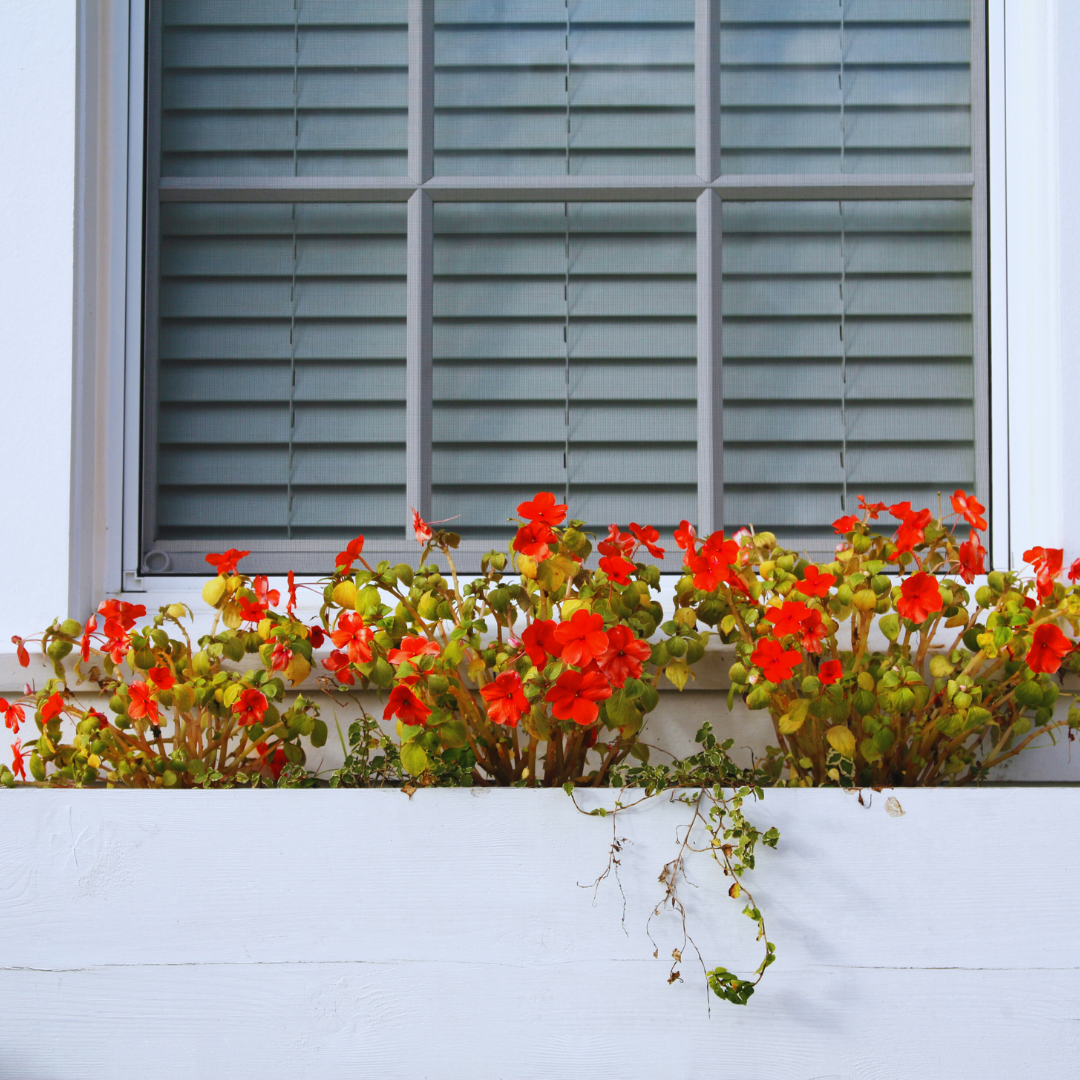
Creating a vibrant window box can enhance the aesthetic of any home while allowing for an easy, accessible gardening experience. To plant a window box successfully, start by selecting the right container, choosing suitable plants, and using quality potting soil. This simple process not only brings a splash of color to a space but also can yield fresh herbs or beautiful flowers that thrive in the sunlight.
The choice of plants is crucial, as it depends on the available sunlight and the season. Mixing trailing and upright plants can create visual interest and fuller arrangements. Window boxes can be a delightful way to showcase creativity and add personality to urban spaces or smaller homes.
With proper care and maintenance, a well-planted window box can flourish throughout the season. Incorporating these tips can lead to a vibrant display that brightens up the home environment, elevating it to new heights of charm.
Planning Your Window Box
Effective planning is crucial for creating a window box that enhances the aesthetics of the home. Key considerations include the choice of planter, selection of plants, and design principles that ensure a harmonious look.
Choosing the Right Window Box Planter
The selection of a window box planter sets the foundation for a successful planting. Materials such as wood, metal, or plastic each offer unique benefits. For instance, wooden planters are visually appealing and can complement a rustic style, while metal planters from companies such as Plantercraft provide durability and a modern touch.
Size is another important factor. The window box should fit the dimensions of the window, typically extending a few inches beyond each side. This ensures proper drainage and prevents overcrowding. Additionally, choosing a box with drainage holes is essential to prevent waterlogging, which can harm the plants.
Selecting Plants for Your Window Box
When selecting plants for a window box, consider the amount of sunlight the location receives. Foliage, flowers, and textures should align with the light conditions. For sunny spots, options like petunias, geraniums, or succulents thrive, while ferns and impatiens are suitable for shaded areas.
It’s also beneficial to choose a mix of annuals and perennials for ongoing color and interest. Grouping plants with complementary colors enhances visual appeal. For instance, combining contrasting hues like violet and yellow can create an eye-catching display. Incorporating varying heights adds depth and texture, making the window box more engaging.
Design Principles and Color Scheme
A well-considered design and color scheme elevate the window box’s aesthetic value. A harmonious color palette can tie the entire exterior of the home together, contributing to its curb appeal. Utilizing a color wheel can assist in selecting colors that complement one another.
Texture plays a vital role as well; mixing plants with different leaf shapes and sizes can create visual intrigue. For example, pairing soft foliage with spikey plants introduces a pleasing contrast.
Arranging plants in layers, and placing taller varieties at the back and shorter ones in the front, ensures visibility and an organized look. This technique encourages a natural flow and draws the eye naturally across the arrangement.
Soil and Planting
Selecting the right soil and arranging plants effectively is crucial for a successful window box. Proper preparation will enhance growth and ensure plants thrive in a confined space.
Preparing the Container Soil
Choosing the right potting mix is essential. A high-quality potting soil combined with compost provides nutrients while maintaining structure. This mixture should comprise about 60% potting mix and 40% compost.
Creating a well-draining environment is vital. They should check the drainage holes in the window box, ensuring no blockages. If the container lacks sufficient drainage, consider adding a layer of gravel at the bottom. This helps to prevent water from pooling, reducing the risk of root rot.
In addition to mixing, he or she can customize the soil with amendments like perlite or vermiculite. These components improve aeration and moisture retention, promoting healthy root development.
The Art of Plant Arrangement
Arranging plants in a window box requires consideration of their growth habits and aesthetics. Tall plants, such as ornamental grasses, should be placed in the back, while trailing species, like sweet potato vine, can cascade over the front.
Selecting plants with similar light and water requirements is beneficial. He or she should consider seasonal variations, choosing appropriate plants for the specific climate. A mix of textures and colors creates visual interest and can enhance the aesthetic appeal of the window box.
A practical tip is to space plants according to their mature size. Adequate distance between species prevents overcrowding, which could lead to competition for nutrients and light.
Securing Plants and Ensuring Good Drainage
Once positioned, plants need proper securing in the soil. They should be pressed gently into the mixture, ensuring roots are covered but not buried too deeply. Watering after planting helps settle the soil and eliminate air pockets.
Good drainage is critical to plant health. Ensuring that water can freely escape keeps roots dry and prevents fungal issues. It’s beneficial to monitor moisture levels regularly.
If using a saucer beneath the window box, empty it after watering to prevent stagnant water. This practice helps maintain a healthy environment for the plants while allowing them to flourish in their confined space.
The position of the box on the house exterior also affects how much water it gets. If the box sits directly under the roofline, heavy rain can overflow from the roof and wash away the soil or drown the plants. This issue often happens when leaves and debris block the gutters and force water over the sides. Booking a professional gutter cleaning service prevents this excess runoff, which keeps your plants and siding safe. Keeping the drainage path clear protects both your home and your new garden display.
Caring for Your Window Box
Proper care keeps window boxes vibrant and healthy. Key aspects include attentive watering, nutrition, and seasonal maintenance to ensure plants thrive.
Watering and Nutrition
Watering is essential for the health of window box plants. In hot weather, they may require daily watering, especially if placed in full sun. The top inch of soil should feel dry before watering again.
It’s advisable to use a drip tray or self-watering system to maintain moisture.
Fertilizing every four to six weeks during growing seasons like spring and summer promotes healthy growth. A balanced fertilizer, such as a 10-10-10 NPK blend, provides essential nutrients.
Including slow-release granules can enhance nutritional availability over time. Regular monitoring of plant response to food can guide necessary adjustments.
Seasonal Maintenance and Upkeep
Seasonal changes demand different care strategies. In spring, check for signs of pests or disease and trim any dead foliage from last season.
Using a mix of thrillers, fillers, and spillers will create a visually appealing box.
During summer, ensure adequate shade for delicate plants.
In the fall, consider replacing summer plants with cooler-weather varieties. It’s also a great time to clean out the box and prepare soil for winter.
Mulching can protect roots during colder months and improve soil structure. Regular evaluation at the start of each season helps maintain an attractive window box.
Plant Selection By Season
Choosing the right plants for a window box requires consideration of the seasons. Different plants thrive at specific times of the year, impacting both their growth and aesthetic appeal.
Sun-Loving Plants for Summer
For bright, sunny window boxes, summer offers a wealth of vibrant choices. Petunias and zinnias stand out for their bold colors and robust blooms. They flourish in full sun, making them ideal for warm climates.
Marigolds add a splash of yellow or orange while repelling pests, enhancing the garden’s health. Sweet potato vine provides cascading greenery, creating an attractive contrast.
Trailing plants like verbena and fuchsia bring charm by overflowing from the box. To encourage proper spacing, aim for about 6 to 12 inches apart, ensuring that each plant has room to grow and thrive.
Shade-Tolerant Beauties for Spring
Spring offers a mix of plants that excel in shaded areas. Impatiens are a favorite choice, producing vibrant flowers in various colors. They thrive in partial to full shade, making them perfect for darker outdoor spaces.
Coleus adds rich foliage diversity; its vibrant leaves can brighten up a shady window box. For a low-maintenance option, hostas provide striking leaves that come in various shades of green.
Ferns and English daisies are also suitable for adding texture and color. Position these plants closer together, about 6 inches apart, to create a lush, dense appearance.
Edibles and Herbs for Year-Round Interest
Incorporating edibles into a window box not only adds beauty but also functionality. Herbs such as basil, parsley, and thyme are excellent selections, thriving in both sun and partly shaded areas.
Mint can spread quickly, so it’s best to plant it alone in a separate container. For a unique addition, consider strawberries or vegetables like pepper or small tomatoes, which can flourish in containers.
Using terracotta pots aids with drainage, critical for maintaining healthy roots. Regular pruning will encourage growth and maximize yields, allowing for fresh ingredients throughout the year.


Leave a Reply